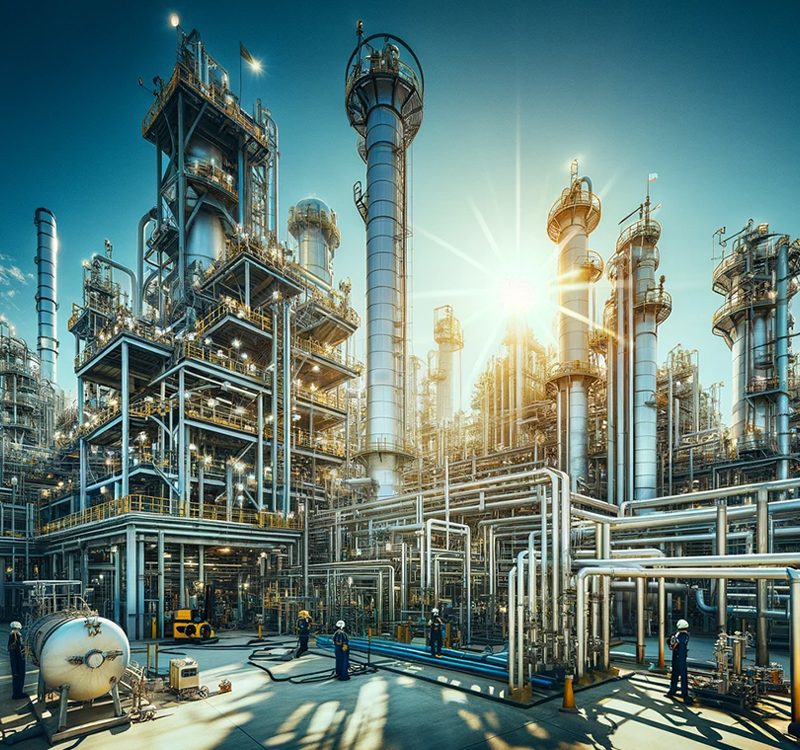
The Petrochemical Industry: A Pillar of Modern Economy
August 14 2024Understanding Physical Commodity Trading: Processes, Players, and Transformations
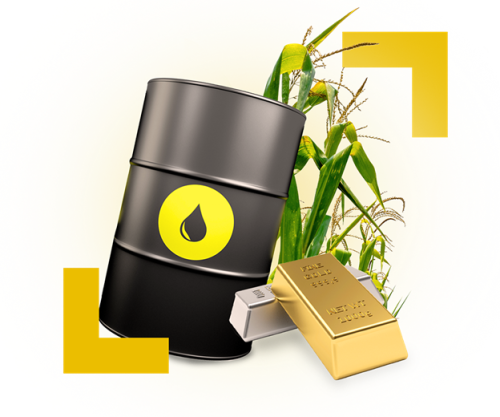
Physical commodity trading is the global process of buying, selling, and exchanging tangible goods, including raw materials such as oil, gold, grain, and metals. Unlike financial instruments, these commodities are physical assets that undergo various transformations before reaching their final users. The process is complex, involving multiple players and intricate logistics, all governed by specific contracts to ensure smooth transactions.
Categories of Commodities
Commodities traded on the global market can be broadly categorized into three main groups:
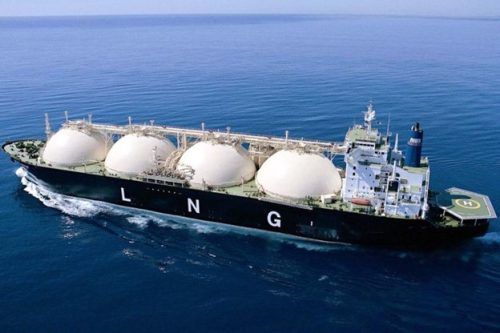
Energy: Includes primary energy sources like crude oil, natural gas, and coal, which are refined into products like gasoline and liquefied natural gas (LNG).
Metals and Minerals: Encompasses base metals like iron ore, copper, and aluminum, as well as precious metals like gold. These raw materials are mined and often refined into more usable forms.

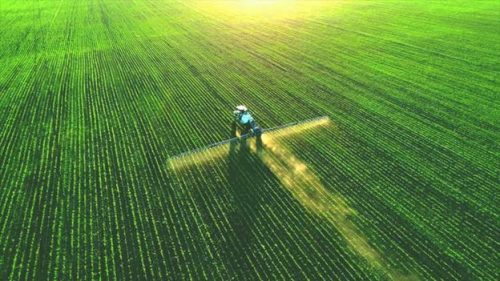
Agricultural Products: Also known as “soft commodities,” this category includes grains like wheat and corn, livestock, and other agricultural goods like coffee and cotton.
Commodity Trading Process
The trading of physical commodities involves several key stages, each crucial to ensuring that goods reach their final destination in the desired quality and quantity.
Contract Negotiation: The process begins with negotiations between producers and traders, where terms such as price, quantity, quality, and delivery date are agreed upon.
Logistics and Transportation: Once contracts are signed, the logistics phase kicks in, involving the transportation and storage of commodities. This is where the physical movement of goods from the producer to the end-user occurs.
Storage and Warehousing: Commodities often need to be stored in warehouses before they are transported to their final destination, especially if there are delays in the logistics chain or if market conditions favor holding onto the commodities for a time.
Quality Control: Ensuring the quality of the commodity is crucial as it affects the final price and the satisfaction of the end-user. Quality control measures are put in place to ensure that the goods meet the agreed standards.
Payment and Settlement: The final stage involves the payment and settlement process, where the buyer transfers the agreed-upon payment to the seller. This can be done through various financial instruments, including letters of credit or direct cash payments.
Key Players in Commodity Trading
Several key players operate within the physical commodity trading ecosystem, each with distinct roles and responsibilities:
Producers: The starting point of the commodity supply chain, producers are responsible for extracting or cultivating raw materials. They often pre-sell commodities to balance supply and demand, minimizing the risk of surplus or deficit in the market.
Traders and Merchants: Acting as intermediaries, traders buy commodities in bulk and sell them to end-users or other traders. Merchants, who may own the goods, also handle logistics, storage, and distribution, often charging higher prices to cover these additional costs.
Industrial End-Users: These are companies that use commodities as raw materials for their products. They rely on intermediaries to supply commodities, balancing their need for minimal inventory with producers’ need for liquidity.
Banks and Financial Institutions: These entities provide financing and risk management services, such as hedging strategies and loans, which are critical in the volatile commodity market.
Transformations in Commodity Trading
Commodities undergo three primary types of transformations:
Spatial Transformation: This involves transporting commodities from regions where they are produced to areas where they are consumed. Given that resources are often located far from consumption centers, efficient logistics are essential.
Temporal Transformation: Since the timing of production and consumption often doesn’t align (e.g., seasonal agricultural products), commodities are stored to balance supply and demand over time. This storage is crucial for stabilizing prices and ensuring continuous availability.
Form Transformation: Raw commodities are often processed into more usable forms. For example, crude oil is refined into gasoline, and soybeans are crushed to produce oil and meal. This transformation is essential for turning raw materials into consumable products.
Impact Factors on the Commodity Market
The physical commodity market is influenced by several external factors, including:
Geopolitical Events: Conflicts or political instability in key producing regions can disrupt supply chains, affecting global prices and availability.
Supply Chain Disruptions: Events such as natural disasters or strikes can delay the production or transportation of commodities, leading to price fluctuations.
Economic Development: The growth of economies, particularly in commodity-rich regions, can drive demand for raw materials, influencing global trade dynamics.
Conclusion
Physical commodity trading is a complex, dynamic field that plays a crucial role in the global economy. By understanding the processes, key players, and various transformations involved, one gains insight into how raw materials move from producers to consumers, ultimately powering industries and everyday life. Whether you’re an investor, a producer, or simply curious, understanding this market can provide valuable insights into the broader economic landscape.