


LNG
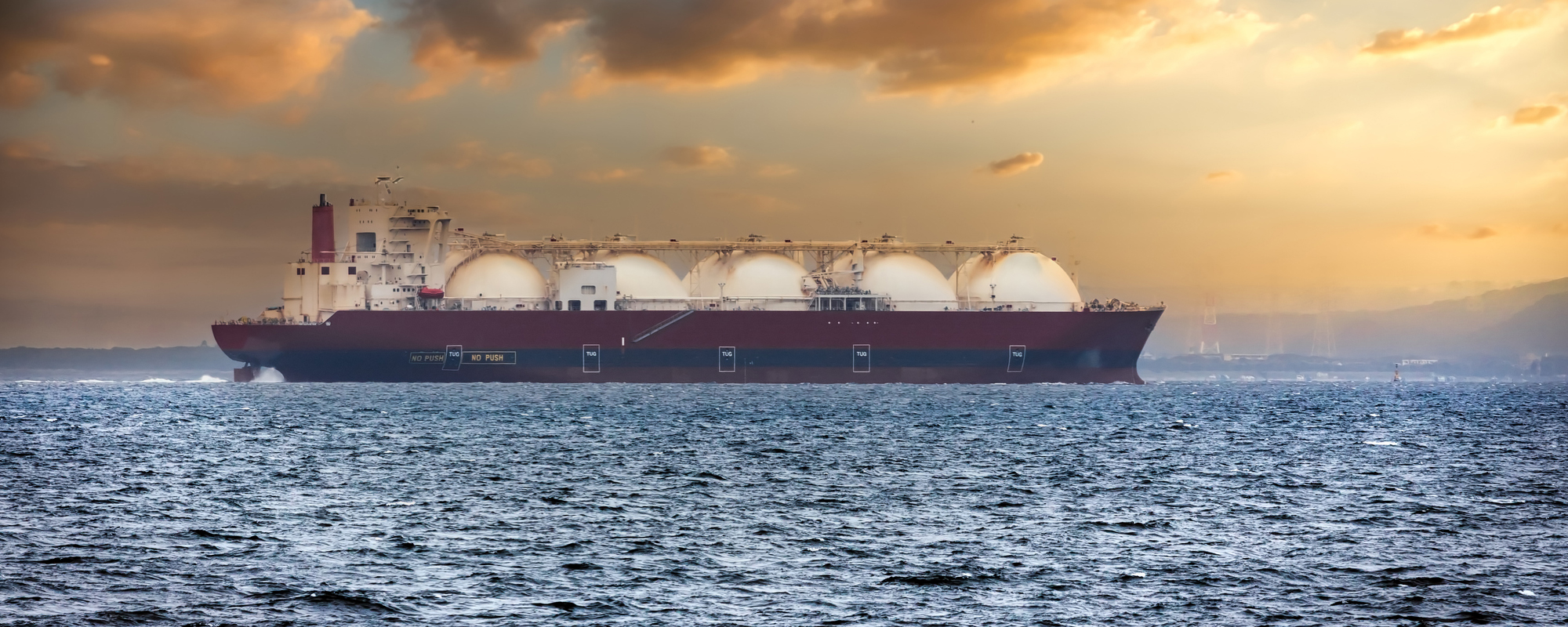
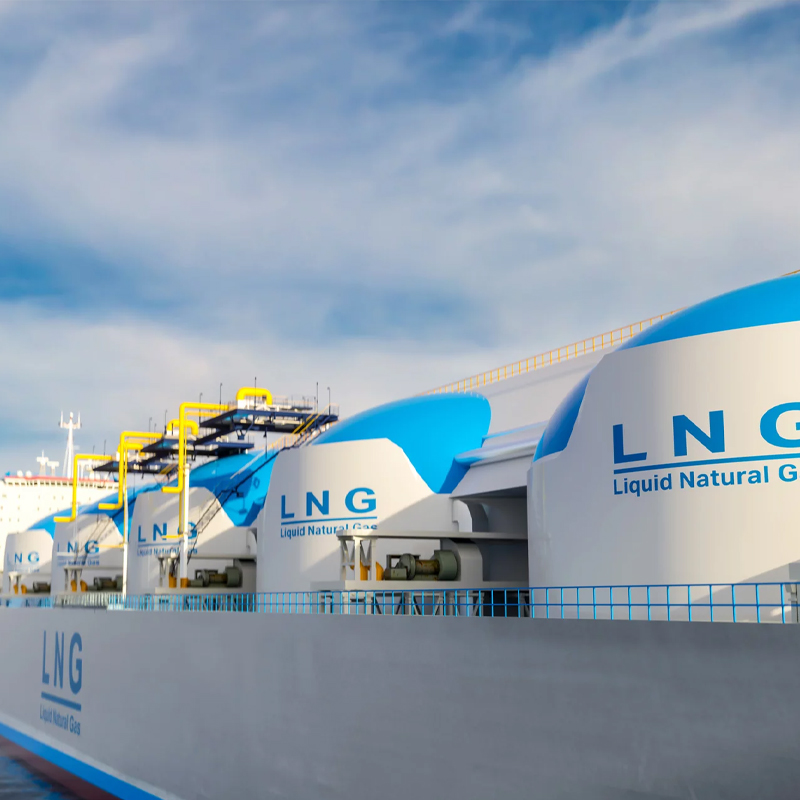
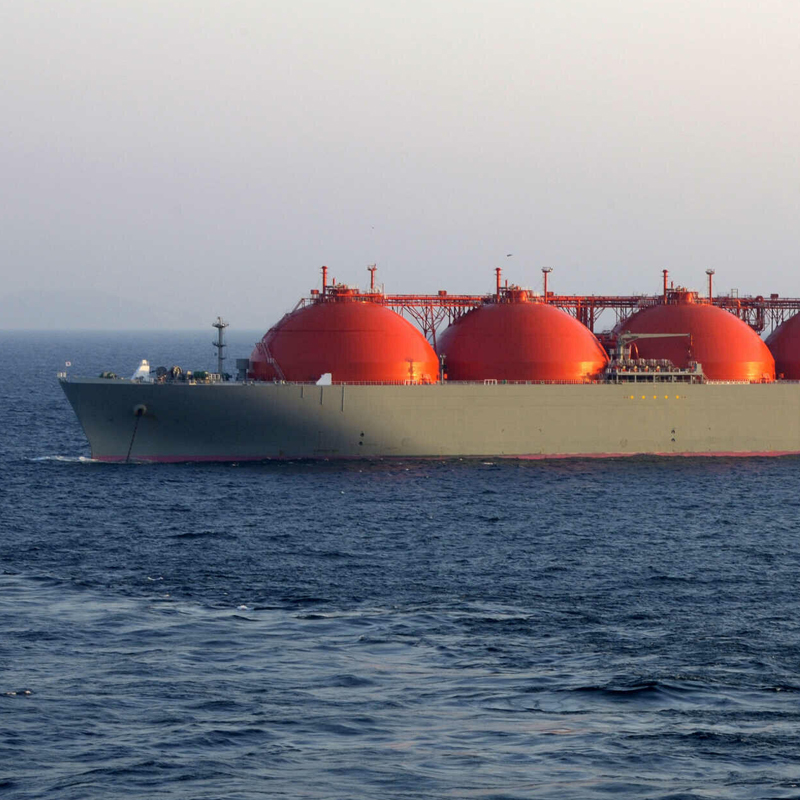
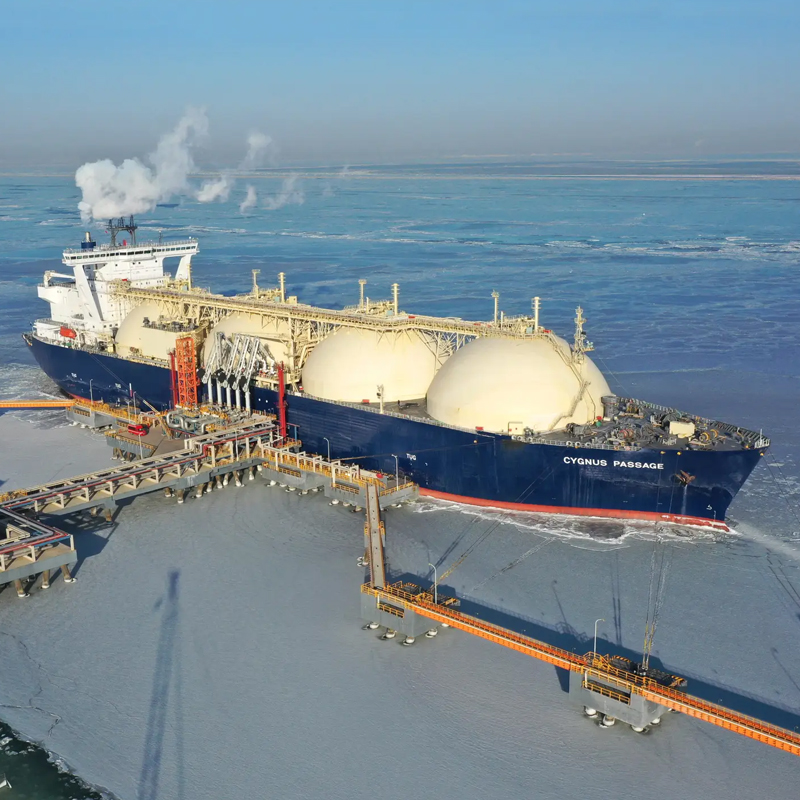
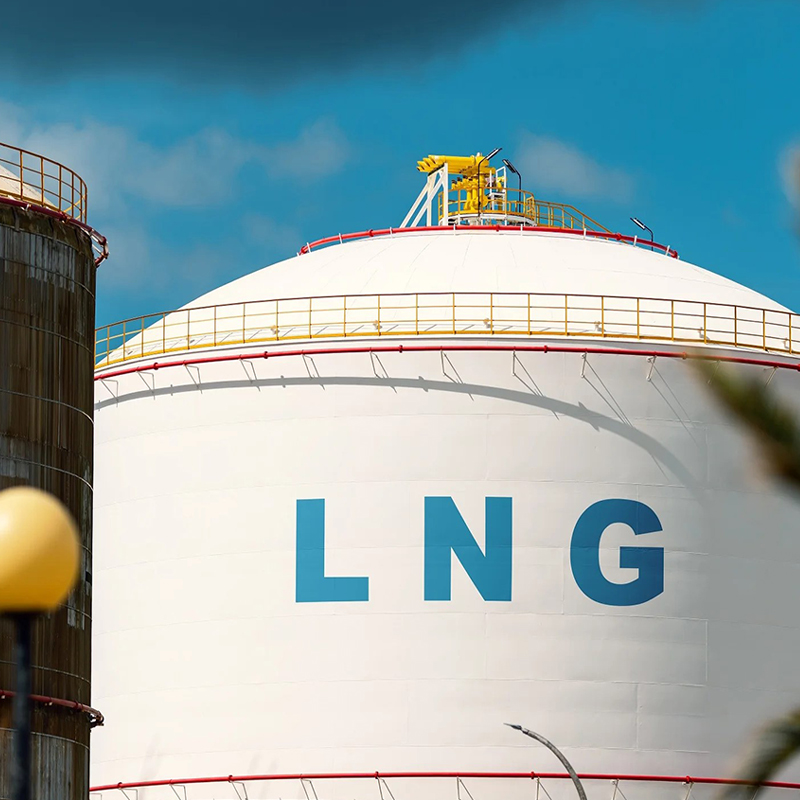
Liquefied Natural Gas (LNG) is a colorless, odorless, non-corrosive, and non-toxic form of natural gas composed mainly of methane. It has been cooled down to liquid form for ease and safety of non-pressurized storage or transport. When LNG comes into contact with warm air, it vaporizes, forming a visible mist. The temperature of this vapor increases as it warms up, eventually rising into the air. The vapor is only flammable when it is mixed with air and comprises 5% to 15% natural gas. If the concentration is below 5%, it won’t ignite, and if it exceeds 15%, there isn’t enough oxygen to support combustion.
Important Note:
Liquefied Natural Gas itself is not explosive in liquid form. It can only explode in confined spaces when vapor concentrations are between 5% and 15%. Despite this, LNG offers several advantages:
Cost Efficiency: LNG is relatively cheaper to produce both internationally and regionally compared to diesel and burns more cleanly.
Compressibility: As a compressed gas, LNG is more suitable than Compressed Natural Gas (CNG) for use in heavy vehicles.
Reduced Emissions: LNG produces fewer pollutants than diesel when used in engines.
Now, let’s delve into the production process of LNG.
LNG Production Process
Step 1: Pre-Treatment
The first step in the LNG production process involves pre-treatment, where feed gas from various gas stations is directed into LNG trains. Initially, the gas passes through filters to remove solids and liquids to prevent foaming during the acid gas removal process. Acid gases like carbon dioxide (CO2) and hydrogen sulfide (H2S) are removed using an amine solution in an absorption column. This step prevents CO2 from freezing in the downstream liquefaction unit by reducing its concentration to around 50 parts per million (ppm).
In the ammonia refrigeration system, the saturated water vapor formed from the sweetened gas stream is cooled to make it easier to separate. The cooled, liquefied water containing amine is recycled back into the amine absorption column. The dehydration unit then reduces the water content to below 0.1 ppm, using three molecular sieve devices, two for absorption and one for recovery and process pressure generation.
The stream then enters the mercury removal unit, where any mercury present is eliminated before the feed enters the liquefaction unit.
Removal of Heavy Hydrocarbons
The final step in pre-treatment is the removal of heavy hydrocarbons such as pentane and benzene. The allowable limit for these compounds is less than 1 ppm to prevent freezing in the downstream unit.
Ammonia Refrigeration Unit
Ammonia is widely used as a refrigerant due to its accessibility and natural properties. It is preferred over other refrigerants like ethanol and propane because of its lower flammability and environmental impact. Reports from 1993 highlighted the efficiency of ammonia as a refrigerant in comparison to others. In this unit, the incoming gas is pre-cooled to -8 degrees Celsius for entry into the process cycle. The ammonia system consists of one or two interconnected refrigeration units, each containing two parallel steam turbines powered by the recovered gas from the unit. This system maintains a stable temperature, preventing the deterioration of processing equipment.
Liquefaction Unit
In the liquefaction unit, the gas is cooled from -8 degrees Celsius to -162 degrees Celsius, transforming it into a liquid. The OSMR liquefaction unit is based on the SMR process, which includes a steam compression system using multiple refrigerants with curved cores and aluminum heat exchangers, known as cold boxes. The process continues as the stream enters a separator to eliminate any two-phase flow. The remaining stream is reintroduced into the cold box and further cooled to -162 degrees Celsius, completing the liquefaction process.
This transformation is driven by the Joule-Thomson effect, where the refrigerant (ammonia) experiences a significant temperature drop upon passing through an expansion valve. After heat exchange with the refrigerant, the feed gas is compressed by large compressors and turbines. The final liquefied natural gas is then stored in storage tanks.
Each LNG train has two parallel refrigeration systems, each comprising compressors, coolers, and cold boxes.
LNG Storage Tanks (Above Ground)
Type 1: Single Containment Tanks
Single containment tanks consist of an inner and outer tank. The inner tank holds the cryogenic liquid, while the outer tank, typically made of carbon steel, provides insulation. The inner tank is often constructed from nickel-containing steel to prevent leakage. Gas inflow and outflow are managed through the tank’s roof to prevent leaks.
Type 2: Double Containment Tanks
The primary difference between double containment tanks and single containment tanks is that the outer tank can hold the liquefied gas in the event of a leak in the inner tank.
Type 3: Full Containment Tanks
Full containment tanks are designed to prevent any gas leakage. The outer tanks stop the escape of gases generated by the inner tanks.
Applications of LNG
Energy Sector: LNG is a clean energy source for generating electricity and heat. Although it is a fossil fuel, LNG supports the transition to green energy, producing 40% less carbon dioxide than coal and 30% less than oil. It emits significantly less soot, dust, or particulates compared to coal or oil and produces minimal sulfur dioxide, mercury, and other harmful compounds.
Transportation: LNG is transported in liquid form in tankers and used as a fuel for vehicles like buses and trucks. Its higher energy density compared to gaseous fuels makes it suitable for smaller vehicles. LNG refueling for large vehicles takes only 4 to 6 minutes (10 to 40 gallons per minute). Additionally, the fuel composition can be precisely controlled, enhancing engine and fuel efficiency.
Industrial Uses: LNG is used in various industries, including chemical manufacturing, steel production, and cement making.
Residential and Commercial Uses: LNG serves as an energy source for heating and cooking in homes and buildings.