


TDI – MDI
Introduction to TDI
Toluene Diisocyanate (TDI) is a member of the diisocyanate family, widely used in the chemical industry and the production of polyurethane products.
Isocyanates and Their Types
Isocyanates are a group of chemicals consisting of two carbon atoms, one nitrogen atom, and one oxygen atom. These compounds are typically found in liquid or solid form with varying colors, odors, and viscosities. Isocyanates are generally categorized into two types: diisocyanates and polyisocyanates. Toluene Diisocyanate is a type of diisocyanate.
Production of Toluene Diisocyanate
Toluene Diisocyanate, an aromatic isocyanate, is produced through the reaction of toluene (an aromatic hydrocarbon) and isocyanate, following the Hofmann Reaction. The process begins with toluene reacting with a specific isocyanate, such as formaldehyde, to form toluene diamine. This is then reacted with carbonyl dichloride to produce Toluene Diisocyanate. In Iran, the TDI typically produced contains an 80:20 ratio of the 2,4-TDI and 2,6-TDI isomers.
Loading and Transportation of TDI
When handling and transporting Toluene Diisocyanate, it is crucial to follow these guidelines:
Temperature and Storage: Samples should be stored at 20-24°C.
Safety: Avoid inhalation and skin contact during sampling. Use appropriate protective gear, including masks, gloves, and boots.
Handling: Containers should be handled with care as residues are flammable.
Cleaning and Repairs: Use full protective equipment during the cleaning or repair of contaminated equipment to prevent direct contact.
Disposal of Empty Containers: Disinfect empty non-returnable containers with water, leave the lid open for 48 hours, and then clean with a 5-10% sodium carbonate solution.
Suitable Containers: Use sealed containers with vents to limit direct access. Avoid galvanized or corrosive metal containers and prioritize steel containers for storage and transportation.
Packaging of TDI
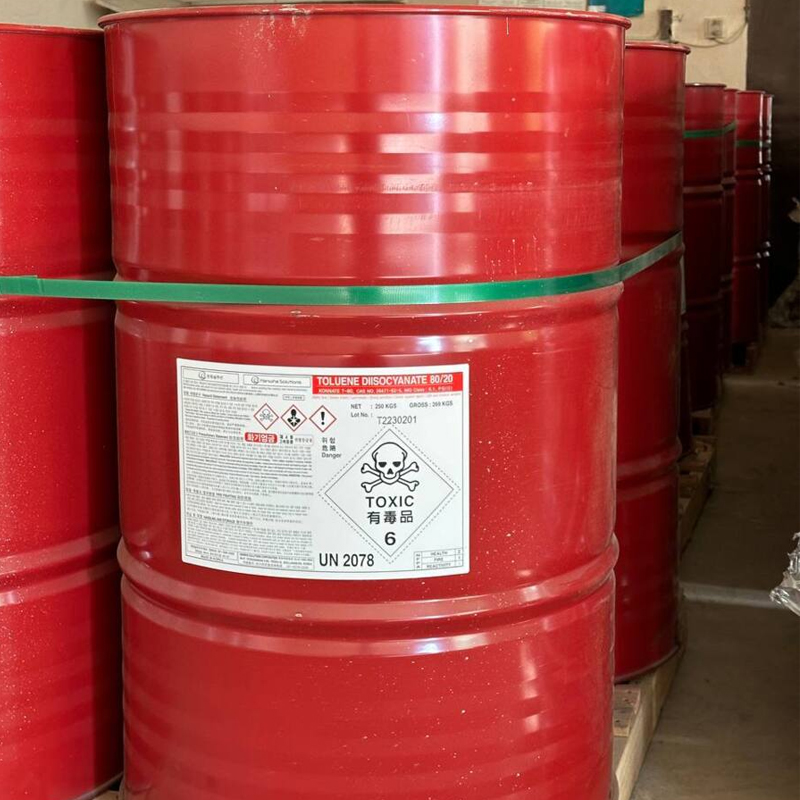
Toluene Diisocyanate is commonly packaged in 220-liter steel drums (approximately 250 kg), with four drums placed on a wooden pallet.
Applications of TDI
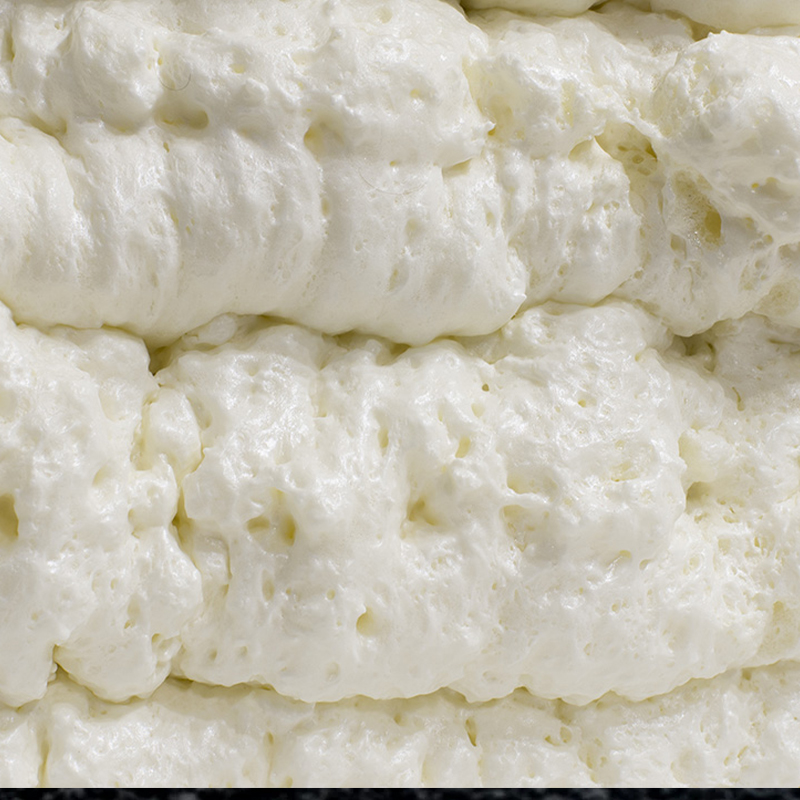
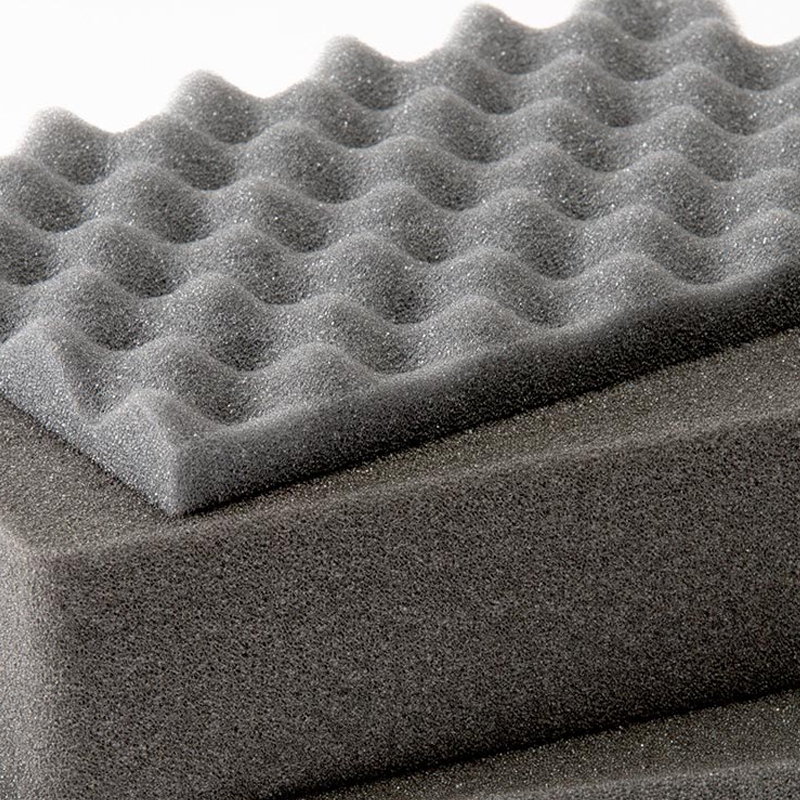
TDI is primarily used in the production of foams, thanks to its flexibility, pressure resistance, and heat resistance, making it ideal for furniture, bedding, transportation, and packaging industries. It is also used in coatings, sealants, adhesives, and elastomers. Furthermore, TDI is crucial in the production of coatings, paints, adhesives, and binders.
Karun Petrochemical Company, the first producer of isocyanates (including TDI and MDI) in the Middle East and West Asia, plays a key role in the polyurethane value chain. The company utilizes chlorine, carbon monoxide, hydrogen, and other raw materials such as toluene, benzene, formalin, ammonia, nitric acid, and sulfuric acid to produce high-value petrochemical products for domestic and global markets. These products are widely used in the production of foam, furniture, sound and thermal insulation, sandwich panels, pre-fabricated walls, and more. The company also serves industries such as footwear, automotive, and healthcare.
Toluene Diisocyanate TDI KT-80 TDI KT-80, produced by Karun Petrochemical Company, is an aromatic diisocyanate derived from an 80:20 mixture of 2,4-TDI and 2,6-TDI with a minimum purity of 99.5%. Polyurethane coatings made from TDI KT-80 are known for their strength, abrasion resistance, and corrosion resistance, making them suitable for various industries.
Key Applications of TDI
Flexible Foams: TDI is used in flexible foam production for furniture, airplane seats, bedding, carpets, packaging, and automotive industries.
Polyurethane Elastomers: Due to their durability, flexibility, abrasion resistance, shock absorption, and chemical resistance, polyurethane elastomers made from TDI are used in applications such as coatings, automotive bumpers, industrial rollers, soles, boots, and mechanical goods.
Toluene Diisocyanate (TDI) KT-80, a crucial chemical in the production of polyurethanes, offers significant benefits across various industries. Karun Petrochemical Company’s production of TDI KT-80, adhering to international standards, meets the diverse needs of industries such as construction, automotive, furniture, and packaging.
Introduction to MDI
Methylene Diphenyl Diisocyanate (MDI) is a key member of the diisocyanate family, widely recognized for its versatile applications in the chemical industry, particularly in the production of polyurethane products.
Chemical Structure and Production of MDI
MDI, an aromatic diisocyanate, is produced through a complex chemical process. The most common form, referred to as pure MDI, consists of two isocyanate groups attached to a benzene ring. The chemical formula for MDI is C15H10N2O2. The production process typically involves the reaction of aniline with formaldehyde, forming a mixture of MDI isomers and oligomers.
MDI exists in three main forms:
Pure MDI: Contains a single isomer, commonly referred to as monomeric MDI.
Polymeric MDI (PMDI): A mixture of different MDI isomers and higher oligomers.
Modified MDI: Variants that have been chemically modified for specific applications.
Applications of MDI
MDI is a crucial raw material in the production of polyurethanes, which are used in a variety of industries due to their exceptional properties.
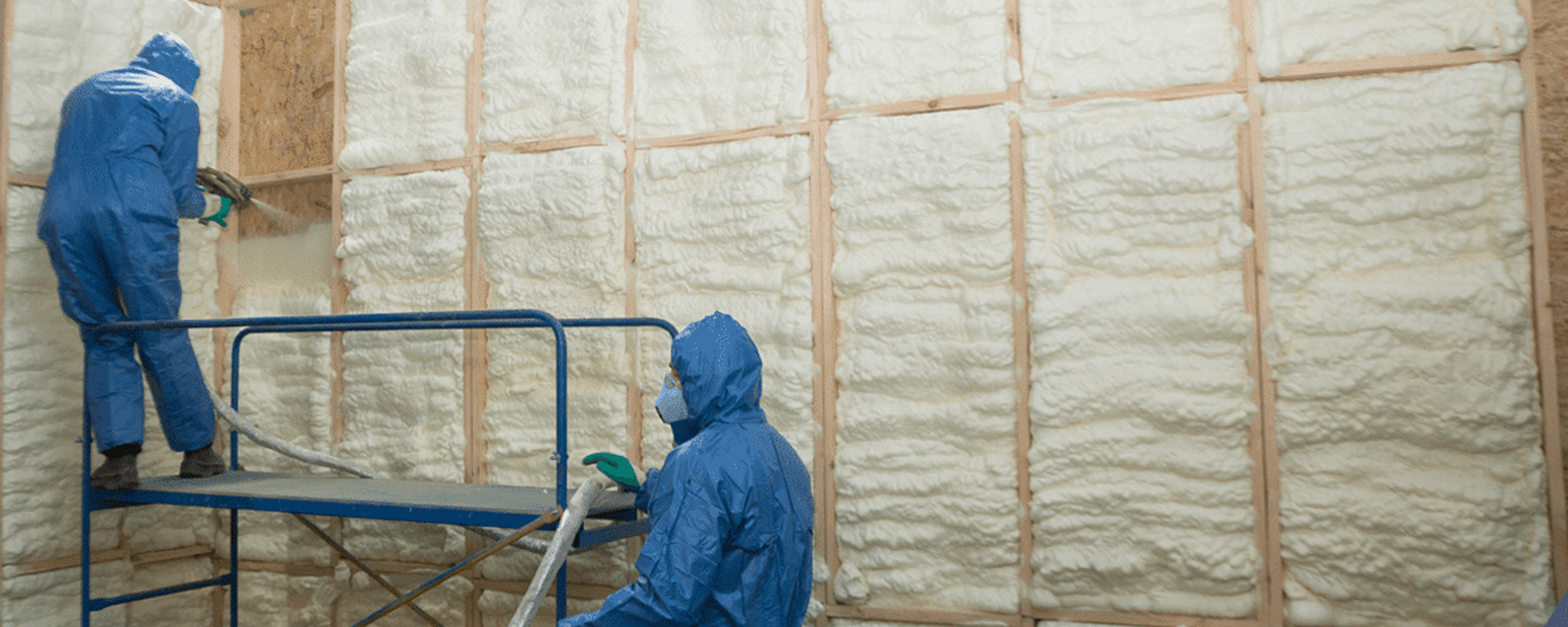
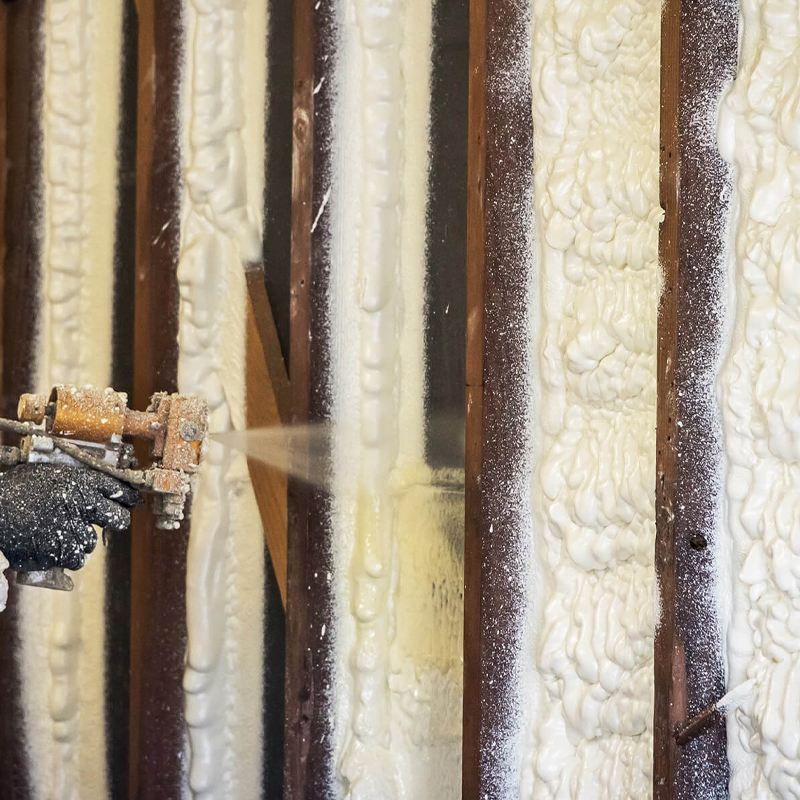
Foams: One of the most significant applications of MDI is in the production of polyurethane foams, both rigid and flexible. Rigid foams are extensively used in thermal insulation, particularly in the construction and refrigeration industries. Flexible foams are commonly found in furniture, bedding, and automotive seating.
Elastomers: MDI is employed in the manufacture of polyurethane elastomers, which are known for their durability, flexibility, and resistance to abrasion. These elastomers are used in applications such as wheels, tires, seals, and various industrial components.
Coatings, Adhesives, and Sealants: MDI-based polyurethanes are used in coatings, adhesives, and sealants due to their strong bonding properties, chemical resistance, and flexibility. These products find applications in construction, automotive, and industrial sectors.
Binders: MDI is used as a binder in composite wood products like particleboard and oriented strand board (OSB). The strong adhesive properties of MDI contribute to the strength and durability of these materials.
Textiles and Fibers: In the textile industry, MDI is used to create polyurethane fibers, which are valued for their elasticity and strength. These fibers are commonly found in spandex and other stretchable fabrics.
Safety, Handling, and Storage of MDI
Given the reactive nature of MDI, strict safety measures must be observed during its handling and storage.
Temperature and Storage Conditions: MDI should be stored at a temperature between 20 to 25°C (68 to 77°F) in tightly sealed containers to prevent moisture ingress, which can cause the material to react and form solid ureas.
Personal Protective Equipment (PPE): When handling MDI, it is crucial to wear appropriate PPE, including gloves, safety goggles, and protective clothing, to avoid skin contact and inhalation of vapors.
Ventilation: Work areas where MDI is used should be well-ventilated to prevent the accumulation of vapors. Local exhaust ventilation is recommended to control airborne concentrations.
Spill and Leak Management: In the event of a spill, MDI should be contained and collected using absorbent materials. It is important to avoid water during cleanup, as MDI reacts with moisture to produce carbon dioxide and form solid ureas.
Disposal: Waste MDI should be disposed of in accordance with local regulations. Containers must be decontaminated before disposal or recycling.
MDI in Comparison to TDI
While both MDI and TDI are used in polyurethane production, they have distinct differences in their properties and applications. MDI is less volatile than TDI, making it safer to handle and store. It is also more commonly used in the production of rigid foams due to its higher reactivity and ability to form stronger, more durable polymers. In contrast, TDI is preferred for the production of flexible foams due to its lower viscosity and better flow characteristics.
Conclusion
Methylene Diphenyl Diisocyanate (MDI) plays a pivotal role in the polyurethane industry, offering a wide range of applications from foams and elastomers to coatings and adhesives. Its unique properties, including reactivity, durability, and versatility, make it an essential material in various industrial sectors. However, due to its reactive nature, careful handling, and strict adherence to safety protocols are imperative to ensure safe use and storage.
As industries continue to innovate and demand high-performance materials, MDI remains a cornerstone in the development of advanced polyurethane products, contributing to the advancement of technology and industry worldwide.