


Sulfur
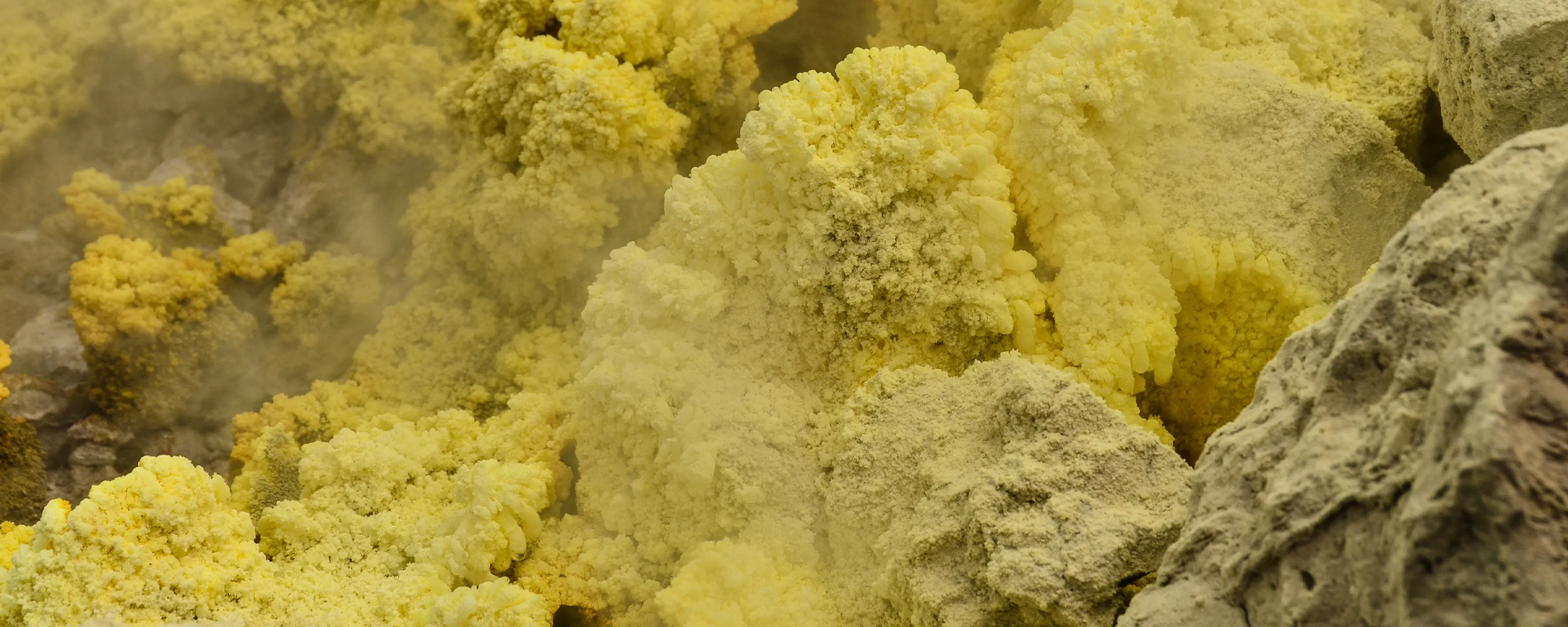

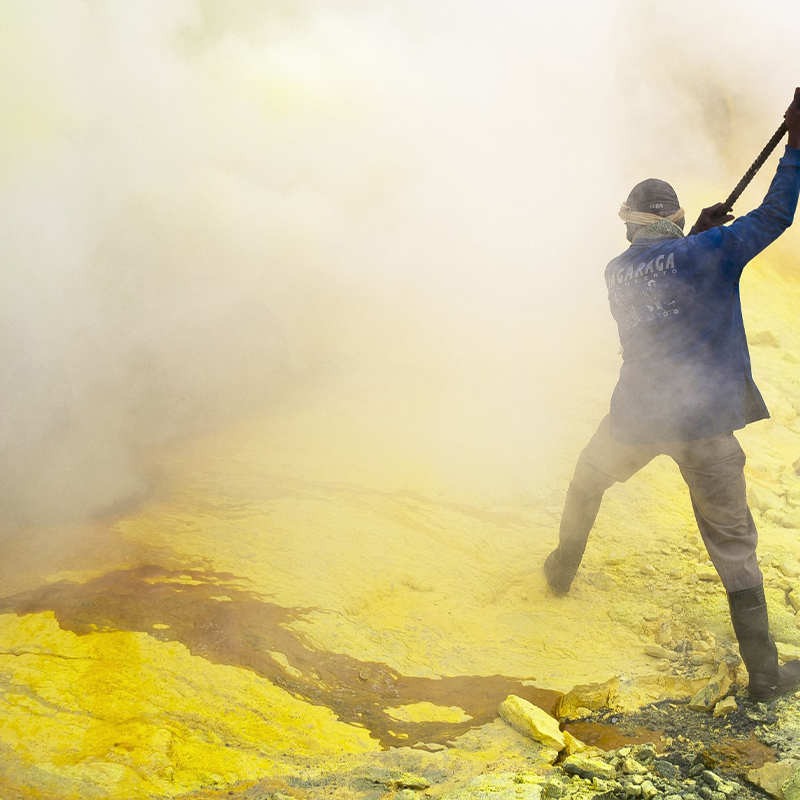
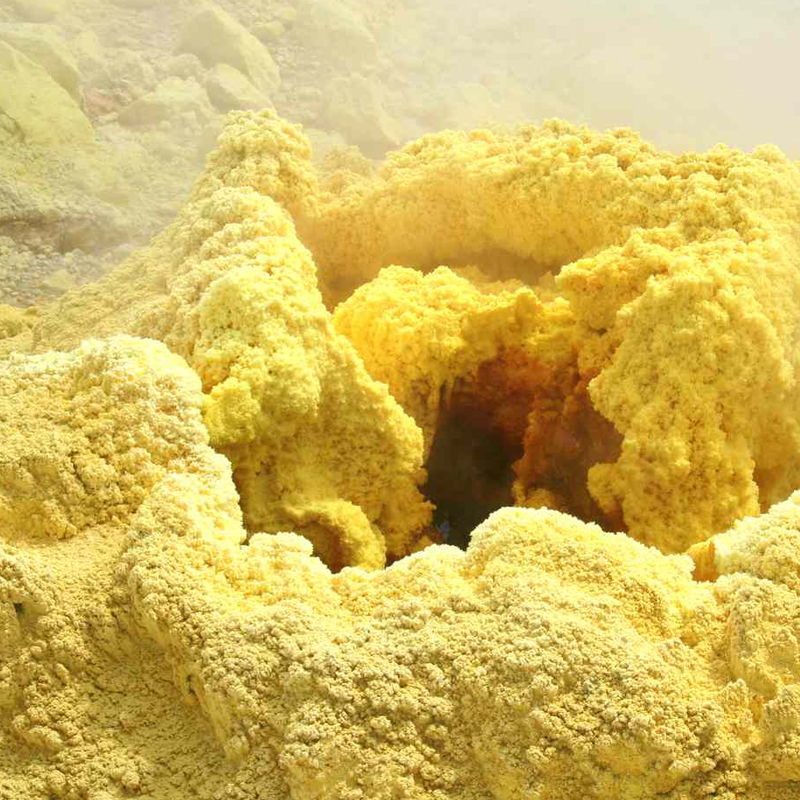
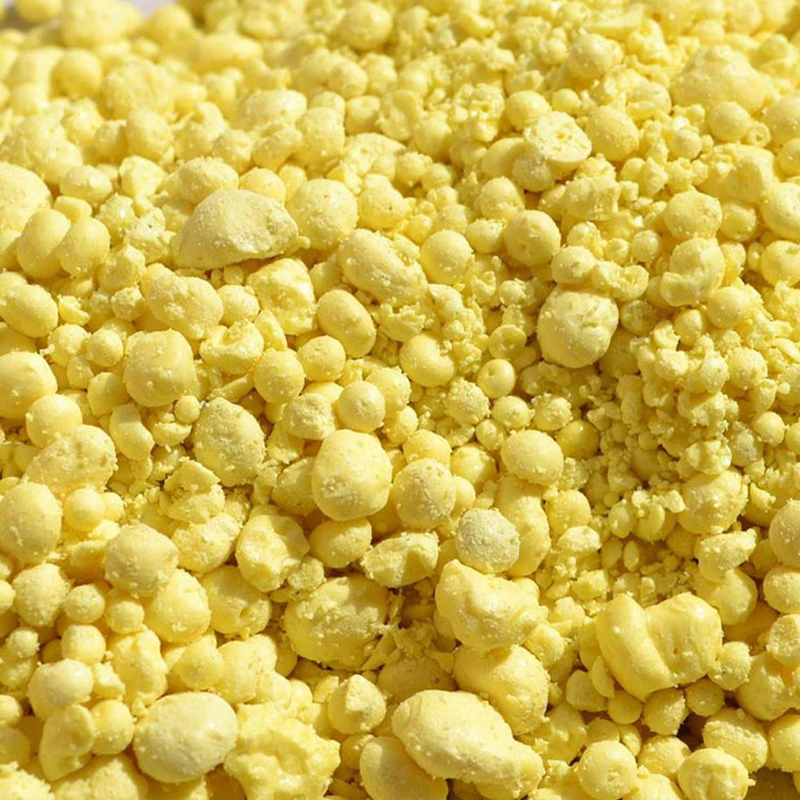
Sulfur is a non-metallic, brittle element that is widely distributed near hot springs and volcanoes and can be found in many minerals and ores. Its distinct physical and chemical properties and potential applications make sulfur unique among materials. In nature, common substances appear as solids, liquids, gases, and plasma. Sulfur is notably significant in various industries, including oil and gas, chemicals, and agriculture.
What is Sulfur?
Sulfur is a multivalent, abundant, tasteless, and odorless element. In its native form, it appears as a yellow crystalline solid. It occurs naturally both as a pure element and in sulfide and sulfate minerals. While sulfur is infamous for its unpleasant odor, reminiscent of rotten eggs, this smell is actually attributed to hydrogen sulfide (H2S).
The crystallography of sulfur is complex. Under specific conditions, sulfur allotropes form several distinct crystalline structures. Sulfur reacts with all metals except gold and platinum, forming sulfides. It also forms compounds with several non-metallic elements. Millions of tons of sulfur are produced annually, mainly for sulfuric acid, which is widely used in industry.
Naturally, sulfur appears as a yellow powder and as crystals. Sulfur is a product of volcanic emissions, and ancient communities extracted it from areas surrounding volcanoes. In modern times, most sulfur production is a byproduct of refining crude oil and gas. Sulfur readily forms compounds such as pyrite (iron sulfide) and gypsum (calcium sulfate). Due to its atomic versatility, sulfur exhibits numerous allotropic forms that combine to create ring or chain molecules. Sulfur allotropes can be classified into:
Intramolecular Allotropes: Formed by chemical bonds between sulfur atoms.
Intermolecular Allotropes: Formed by the arrangement of sulfur molecules in crystals.
Sulfur atoms unite to form chains (catena/polycatena sulfur) and cyclic rings (cyclo-Sn), allowing millions of intramolecular sulfur allotropes to exist. Notably, molecules with ‘Sn’ exist in ring forms (very stable), while those with fewer than six or more than twelve sulfur atoms can appear as rings or chains (unstable).
Applications of Sulfur
- Chemical Production:
Sulfuric Acid and Chemical Synthesis: Sulfur is pivotal in producing sulfuric acid, artificial fibers, dyes and pigments, matches, explosives (including gunpowder), hydrogen sulfide, sulfur trioxide, and thionyl chloride. It serves as a reagent in chemistry and carbon disulfide, an essential organic solvent.
- Agriculture:
Role in Plant Protein and Metabolism: Sulfur is vital in plant protein synthesis, fat production, and other organic compounds. It plays a crucial role in metabolic processes (nitrogen, carbohydrate, and protein metabolism).
Photosynthesis and Respiration: Sulfur is essential for photosynthesis and respiration in plants, positively affecting nitrogen fixation and absorption of atmospheric nitrogen and trace elements by plants.
Improving Crop Flavor and Disease Resistance: Sulfur enhances the taste and aroma of crops like onions and garlic and increases resistance to diseases and pests.
Fertilizer: Sulfur is a key component in fertilizers, improving soil quality and aiding in nitrogen and phosphorus stabilization. Intensive agriculture has led to sulfur deficiency in soils worldwide, exacerbated by efforts to reduce air pollution from sulfur dioxide emissions in power plants.
Pesticide and Fungicide: Sulfur is one of the oldest known pesticides, best used on vegetables and fruits. It controls psyllids, spider mites, and thrips but is toxic to cucumbers, raspberries, and apricots. Sulfur is also used as a fungicide, controlling powdery mildew and fungi on leaves when applied dry. Reapplication is necessary after heavy rain, and sulfur can prevent rot in plant cuttings and mold in bulbs and rhizomes. However, at temperatures above 90°F, sulfur can burn leaves.
Soil pH Reduction: Many plants prefer soil with a pH between 5.8 and 7.0. Acid-loving plants like azaleas, gardenias, and blueberries thrive in soils with pH as low as 8.0, which can be composed of 50% lime. Alkaline soils can lead to iron, zinc, and manganese deficiencies. Sulfate-based fertilizers may alleviate these issues, but in severe cases, elemental sulfur powder is needed. The powder should be thoroughly mixed into moist, aerated soil for treatment.
- Rubber Industry:
Vulcanization: Sulfur is crucial for vulcanizing black rubber.
- Road Construction:
Asphalt and Concrete: Used in producing asphalt, concrete, and calcium sulfate (gypsum), with annual use exceeding 100 million tons for cement and plaster.
- Pulp and Paper:
Sodium Bisulfite: Used in paper production and bleaching.
- Textile Industry:
Fabric Bleaching: Utilized for bleaching textiles.
- Food Industry:
Preservative and Sugar Production: Used as a sulfite for preserving and sugar production.
- Medicine:
Pharmaceuticals and Skin Treatments: Used in producing various pharmaceuticals, treating certain skin diseases, and Epsom salts (magnesium sulfate) as a laxative and exfoliant.
- Detergents:
Surfactants and Bleaching: Many surfactants and detergents are sulfate derivatives. Sulfur dioxide serves as a bleaching and disinfecting agent.
- Mercaptans:
Organosulfur Compounds: Added to natural gas for odor detection and used in silver polishing.
- Bath Additives:
Magnesium Sulfate: Added to baths.
- Refrigeration:
Sulfur Dioxide: Utilized as a refrigerant.
Importance of Sulfur in Life on Earth
Life on Earth owes much to sulfur, as early sea conditions enabled chemical reactions to create amino acids, the building blocks of life. Naturally occurring near volcanoes, sulfur deposits are massive in Texas and Louisiana, USA. Numerous sulfide minerals, such as pyrite, marcasite, antimony sulfide (stibnite), lead sulfide (galena), mercury sulfide (cinnabar), and zinc sulfide (sphalerite), are known. Other sulfide ores include chalcopyrite, bornite, pentlandite, millerite, molybdenite, gypsum, and Epsom salts.
Sources and Production of Sulfur
The primary industrial source of sulfur is hydrogen sulfide from natural gas, with Canada as a leading producer. Elemental sulfur was once commercially recovered via the Frasch process, which involved injecting superheated steam into underground deposits to melt the sulfur, enabling it to be pumped to the surface as a liquid.
Modern sulfur production primarily arises from refining processes that remove sulfur from natural gas, oil, and tar sands. All living organisms contain sulfur, which is present in fossil fuels when they are burned. The combustion of untreated fossil fuels can release sulfur dioxide into the atmosphere, leading to acid rain, highlighting the need for desulfurization processes.
Biological Role of Sulfur
Sulfur’s properties are vital for all living organisms. It is absorbed by plants and algae from the soil (or seawater) as sulfate, used to produce two essential amino acids for protein synthesis, and required in some enzymes. The average human contains 140 grams of sulfur and consumes about 1 gram daily, primarily from protein.
Toxicity of Sulfur Compounds
Sulfur and sulfates are non-toxic; however, compounds like carbon disulfide, hydrogen sulfide, and sulfur dioxide are toxic. Hydrogen sulfide is particularly dangerous, capable of causing death through respiratory paralysis. Sulfur dioxide is produced when coal and untreated oil burn, leading to acid rain. This phenomenon can cause the death of lakes by dissolving toxic aluminum salts, which living organisms absorb.
Health and Environmental Impacts of Sulfur
Positive and Negative Health Effects
Sulfur is essential for all living organisms. For human health, it is a crucial element of the amino acid methionine, which is indispensable in our diet, and cysteine, another sulfur-containing amino acid. On average, humans consume 900 milligrams of sulfur daily, mainly in protein form. Elemental sulfur is non-toxic, but many sulfur derivatives, such as sulfur dioxide (SO2) and hydrogen sulfide, are harmful.
Sulfur naturally occurs as sulfides, and environmental processes introduce sulfur bonds that can harm animals and humans. These destructive sulfur bonds form in reactions involving unnatural substances. Unwanted due to their unpleasant odor, these bonds are often highly toxic.
Global Sulfur Compounds’ Effects on Human Health:
- Neurological effects and behavioral changes
- Circulatory disorders
- Heart damage
- Eye and vision impairment
- Reproductive failure
- Immune system damage
- Stomach and gastrointestinal issues
- Liver and kidney dysfunction
- Hearing impairment
- Hormonal metabolism disruption
- Skin effects
- Asphyxiation and pulmonary embolism
Environmental Impact
Sulfur is present in various forms in the atmosphere. When inhaled, gaseous sulfur can irritate animals’ eyes and throats. Sulfur is extensively used in industries and released into the air due to the difficulty of breaking down sulfur bonds. Its harmful effects on animals include brain damage, impaired hypothalamus function, and nervous system damage. Laboratory tests on animals show sulfur can cause severe vascular damage in the brain, heart, and kidneys. Specific sulfur forms can harm fetuses and cause congenital disabilities. Mothers can pass sulfur poisoning to their offspring through breast milk.