


Cotton Yarn

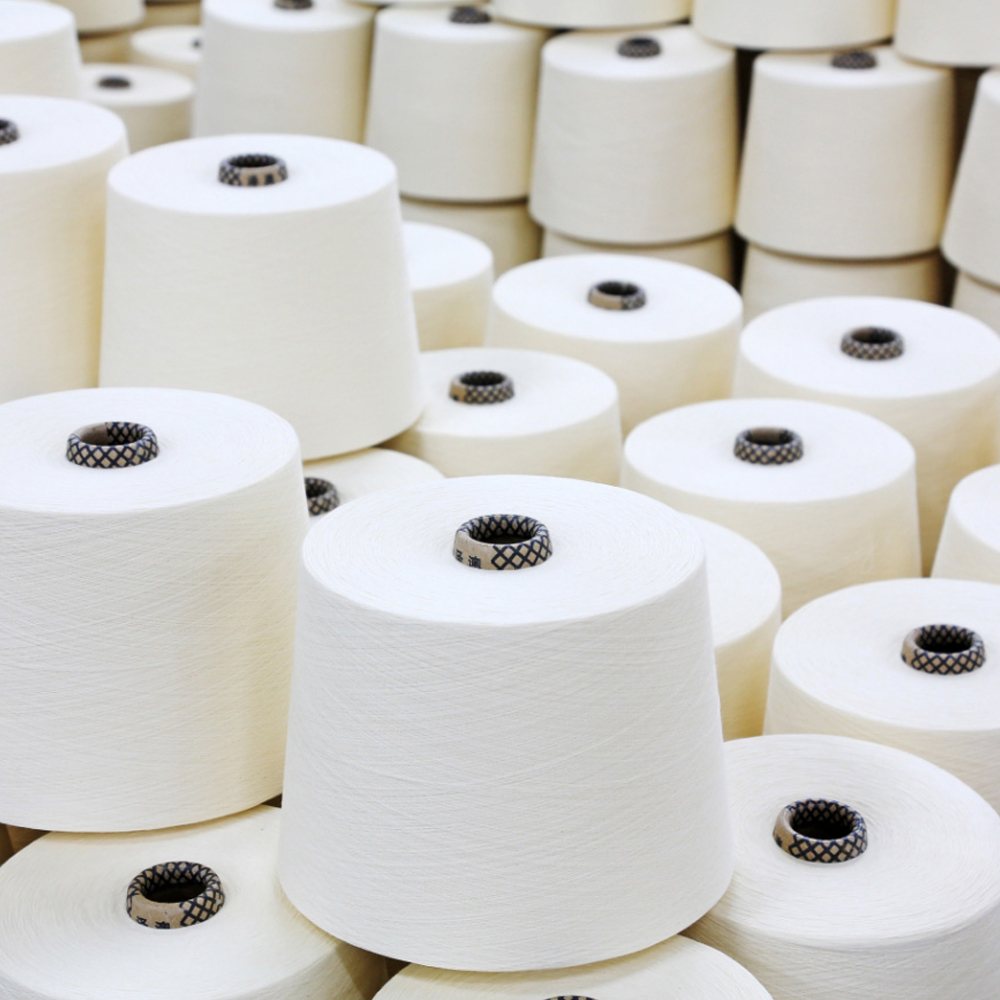
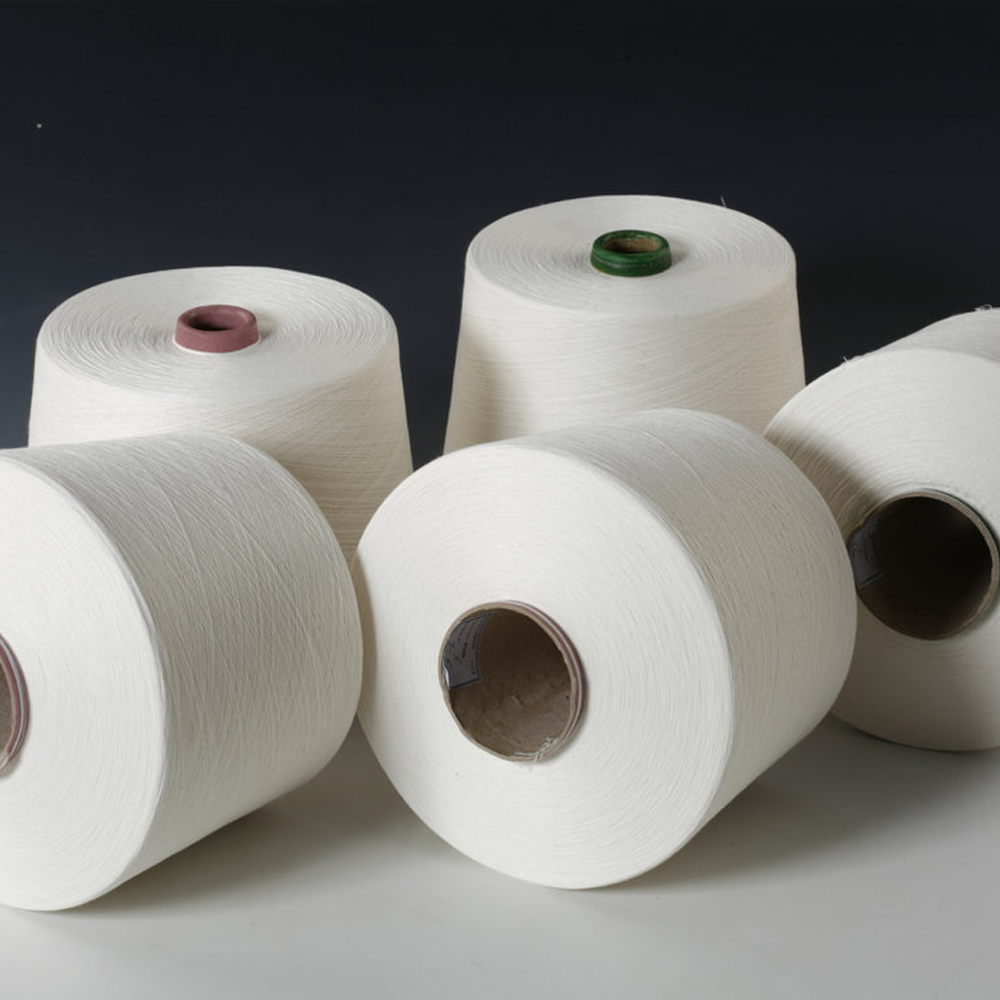
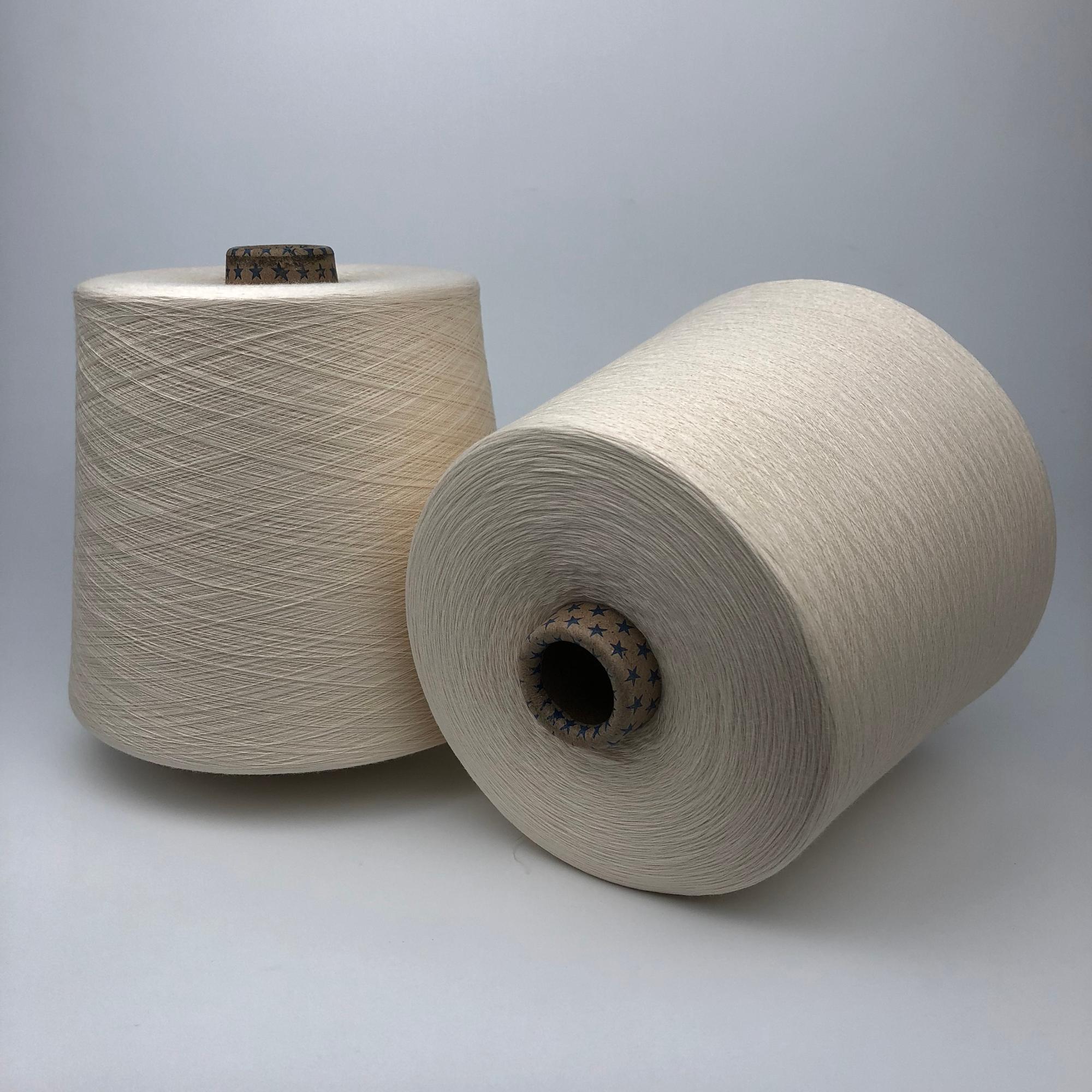
What is Cotton Yarn?
Cotton yarn is a highly popular natural fiber often referred to by vendors and consumers as “the yarn” or “cotton blends” when discussing textiles. It is one of the most widely used yarns in the world and is frequently combined with other fibers like viscose and polyester to create various types of yarns.
Derived from the cotton plant through a specialized process, cotton yarn is a natural fiber that is unlikely to cause allergies or skin irritation, making it a preferred choice in the textile industry, especially for garments. This article aims to explore the characteristics, benefits, and applications of cotton yarn, providing you with a comprehensive understanding of this versatile material.
Characteristics of Cotton Yarn
Cotton yarn boasts several features that make it a favored choice across different industries, particularly in the production of cotton fabrics. Knowing these attributes not only helps manufacturers in crafting quality products but also informs consumers on how to care for cotton garments.
Advantages of Cotton Yarn
Breathability: Cotton fabrics allow for excellent air circulation, facilitating natural skin ventilation.
Moisture Control: These fabrics effectively manage body moisture, keeping the wearer comfortable.
Hypoallergenic: Cotton’s natural properties make it resistant to causing allergies or skin irritation.
Temperature Resistance: Cotton yarn is robust across various temperatures, making it ideal for year-round apparel.
Softness: Known for its softness, cotton yarn is popular for producing undergarments and infant clothing.
Durability: It withstands rigorous washing, including hot water, without degrading.
Versatility: Suitable for a wide range of clothing from summer garments to durable items like jeans.
Water Resistance: Cotton does not deteriorate easily when exposed to moisture.
Disadvantages of Cotton Yarn
Although cotton yarn is highly regarded for its benefits, it does have some drawbacks:
Wrinkling: Cotton fabrics are prone to wrinkling, necessitating regular ironing.
Care Requirements: Proper maintenance is needed to preserve its quality, especially after washing.
Applications of Cotton Yarn
Given its natural composition and hypoallergenic properties, cotton yarn finds extensive use in a variety of products:
Baby Clothing: Its softness makes it perfect for infant garments and blankets.
Bedding: Cotton is ideal for pillowcases and sheets due to its gentle touch and breathability.
Undergarments and Socks: Cotton’s moisture control and durability make it an excellent choice for these items.
Towels: High absorbency and resistance to wear make cotton perfect for towels.
Medical Products: Its gentle nature and durability make cotton a staple in medical textiles like bandages.
Comparing Cotton and Viscose Yarn
Viscose yarn, though often confused with cotton due to its semi-natural origins, is a synthetic fiber that differs significantly from cotton. Understanding these differences is crucial for manufacturers and consumers alike.
Strength and Durability: Cotton is stronger and becomes even more resilient when wet, unlike viscose.
Absorbency: Cotton excels at absorbing moisture, making it suitable for medical products and bandages. Viscose lacks this quality and is less preferred in medical applications.
Appearance: Cotton has a matte finish, whereas viscose has a sheen. Viscose fabrics may lose their luster when washed in hot water.
Types and Production of Cotton Yarn
Cotton yarn is a plant-based fiber produced through specialized spinning techniques, resulting in three main types: carded, combed, and rotor-spun yarns. Cotton plants thrive in many regions, including China, India, Brazil, the USA, Uzbekistan, Turkey, and Iran.
This fiber undergoes various processes such as spinning, dyeing, and weaving to become a widely used material. Its versatility makes it one of the most common yarns globally, used in numerous textile applications.
Historical and Modern Use of Cotton Yarn
Cotton yarn has been utilized since ancient times for its functional benefits. Its popularity has not waned over the centuries, expanding into various industries due to its advantageous properties.
Here are some key attributes that contribute to its continued widespread use:
Moisture Regulation: Cotton’s natural composition allows it to absorb and manage body moisture without feeling damp.
Non-Allergenic: Unlike many synthetic fibers, cotton does not irritate the skin, making it ideal for sensitive applications.
Elasticity: While cotton offers some elasticity, it may not be suitable for items requiring precise fit due to its stretchiness.
Comfort: Its softness and breathability contribute to unparalleled comfort, particularly in intimate apparel.
Diverse Grades: Cotton yarn is available in various grades, from coarse to fine (10 to 200), with 200 being the thinnest.
Ease of Dyeing: Cotton readily absorbs dyes, allowing for vibrant color applications, although it requires careful maintenance to preserve these colors.
Organic: Cotton is entirely natural, making it an environmentally friendly choice for numerous applications.
Shrinkage: Some cotton fabrics may shrink; washing in cold water is recommended.
Longevity: Its durability ensures that cotton garments and textiles are long-lasting and resistant to wear and tear.
In conclusion, cotton yarn is a plant-derived fiber with numerous benefits and applications across various industries. Its natural properties make it an essential material in textile manufacturing, offering both practicality and comfort.
At ShivaElyaf, we leverage our extensive experience and global network in the textile industry to source the finest cotton Yarn. We know the best suppliers in the world, allowing us to deliver yarns that meets your quality requirements.