


Viscose Fiber
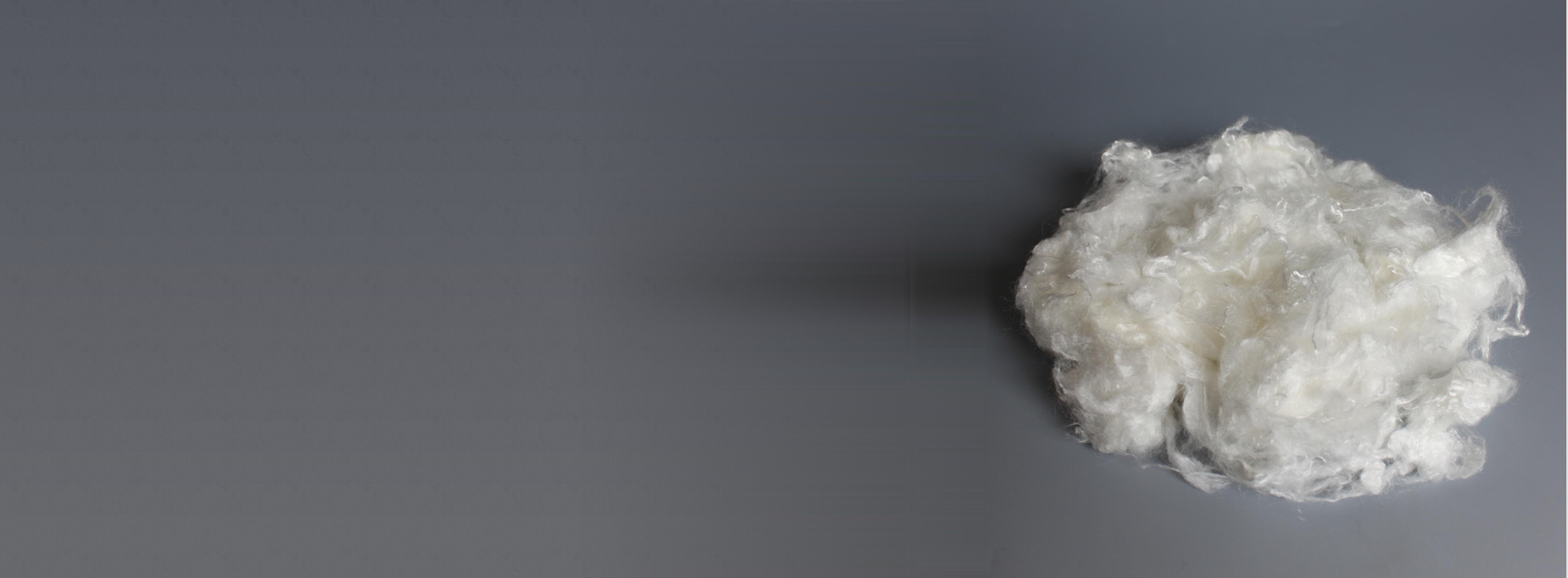
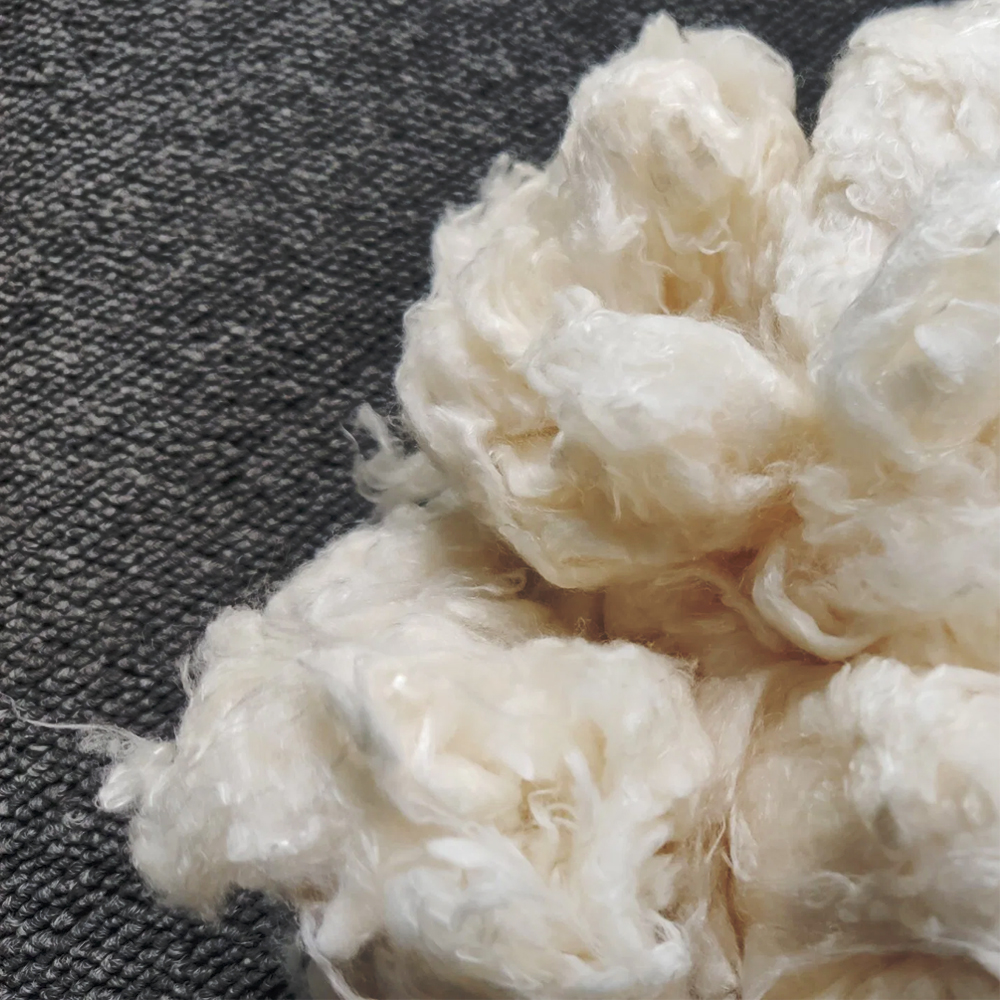
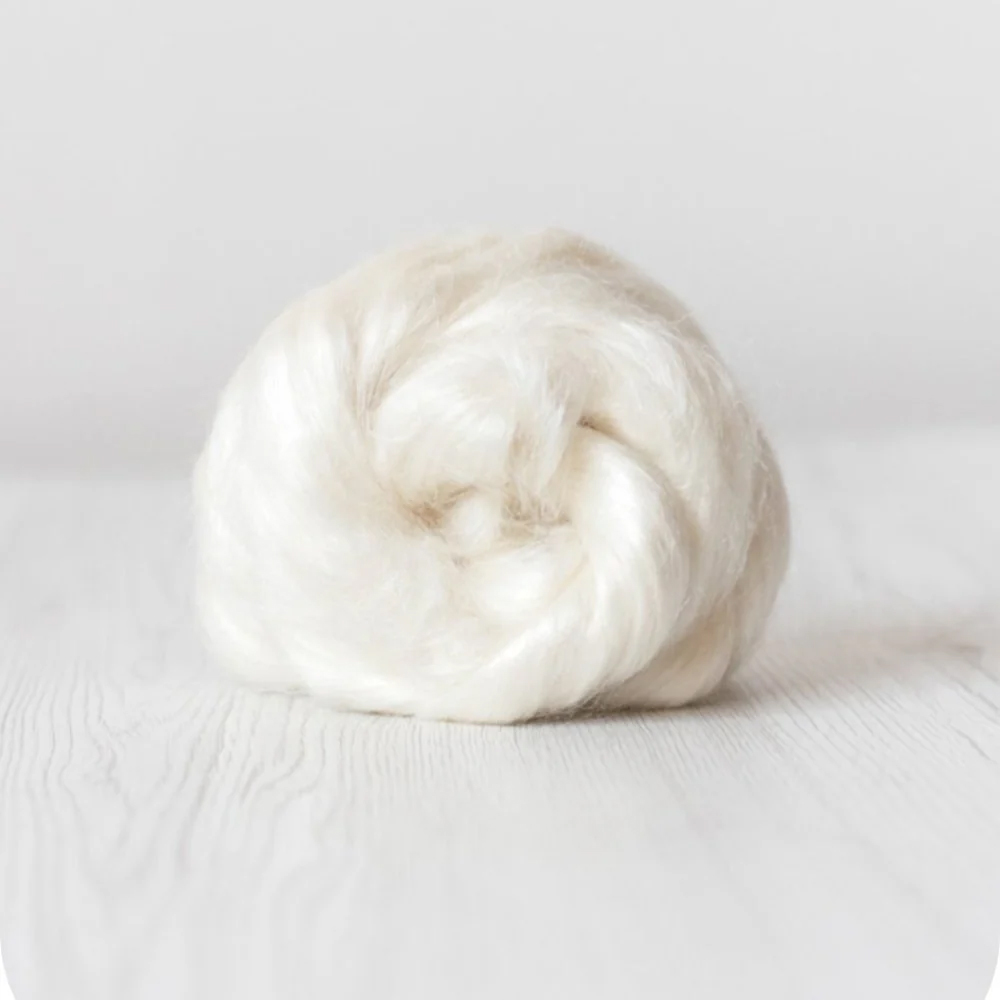
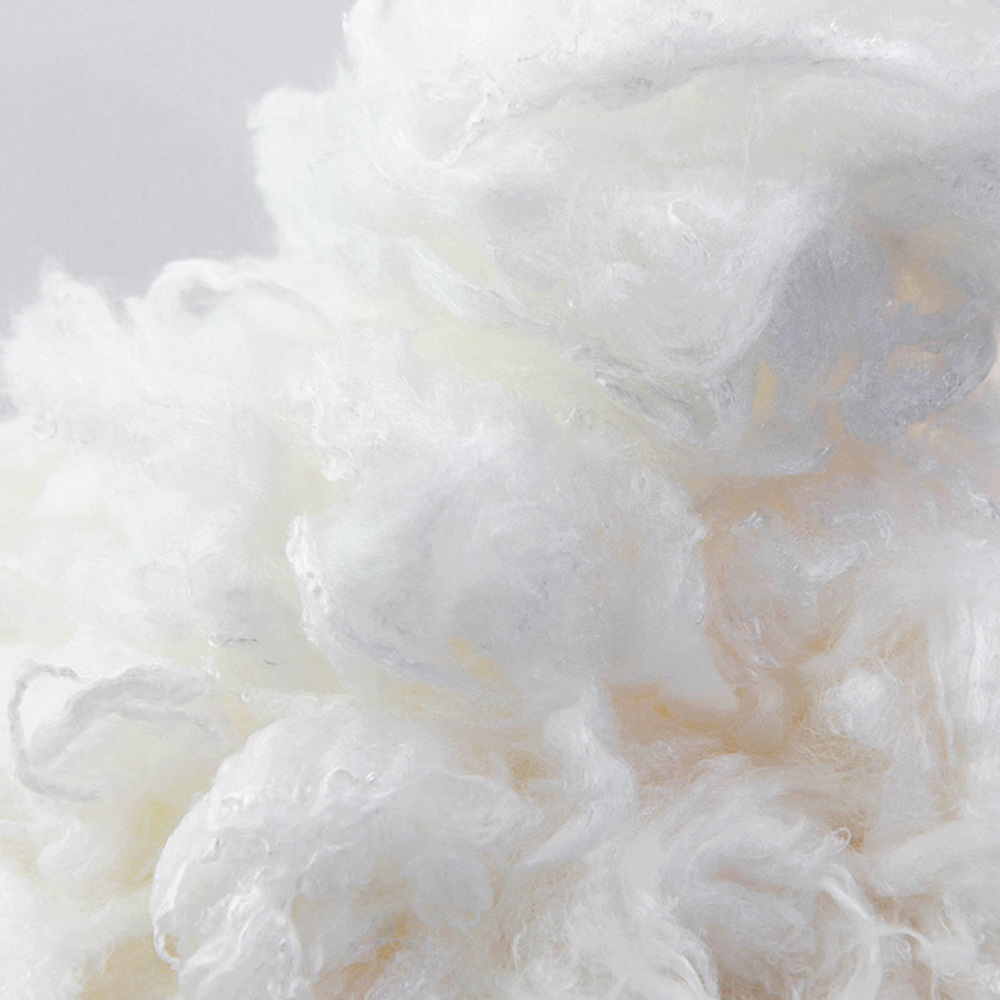
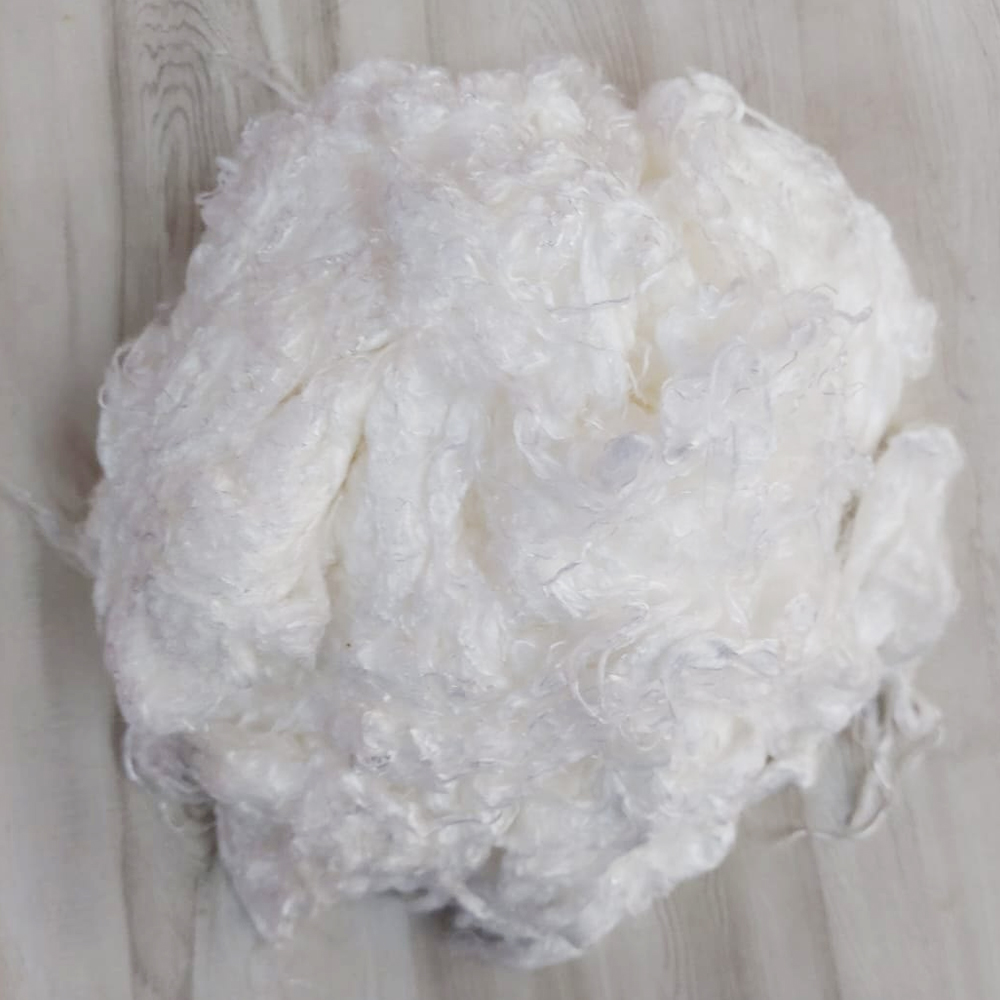
Viscose Staple Fiber (VSF)
Viscose Staple Fiber (VSF) shares many similarities with cotton at a molecular level, sometimes even being produced from low-quality cotton. However, unlike cotton, VSF lacks the characteristic twist and curl, presenting a cross-section that appears multi-faceted and serrated.
All cellulose-based regenerated fibers are known as rayon, and viscose is a specific type of rayon available in the market.
Historical Background:
Viscose fibers were first developed by two chemists in 1891, who conducted detailed studies on the cellulose structures found in plants. The process was patented in 1892, but it took several years before these fibers could be marketed commercially due to their initial low strength.
Production Method:
Any natural material with sufficient cellulose content can be used to produce viscose fibers. Common sources include wood pulp, sugarcane bagasse, and rice and wheat straw. These materials are processed through various stages to form a special pulp with minimal impurities. After passing through a spinneret and coagulation bath, the material forms fibers. The production of viscose is termed “wet spinning” since the solvent used to create the fiber pulp is not evaporative.
Physical Properties of Viscose Fibers:
Though viscose resembles cotton in chemical structure and is sometimes made from low-grade cotton, its surface is smooth and lacks the twists and turns of cotton. The fiber has a multi-faceted and serrated appearance.
Research has improved the strength of these fibers, but unlike cotton, viscose loses strength when it absorbs moisture. This is due to a higher presence of amorphous regions compared to cotton, which also allows viscose to have higher moisture absorption and dye uptake. Under standard conditions, viscose absorbs 12% moisture, compared to 8% for cotton. However, the resilience of viscose is lower than that of cotton, leading to higher wrinkle susceptibility. Viscose fibers are shinier than cotton due to their smooth surface, though they lose this shine when exposed to boiling water. They can withstand heat up to 150°C and may change color when exposed to sunlight for extended periods.
Chemical Properties of Viscose Fibers:
Like cotton, acids degrade viscose fibers, but they exhibit good resistance to alkalis and sodium compounds. Artificial fibers lack the natural crimp and wave of natural fibers, so various chemical and mechanical treatments are used to crimp viscose fibers.
Applications:
Due to the relatively low strength of viscose fibers, they are typically used in products like bed linens, tablecloths, women’s dresses, men’s shirts, undergarments, and sportswear.
About Us: SHIVAELYAF
At SHIVAELYAF, we leverage our extensive experience in the fiber industry and our global network to supply high-quality viscose fibers tailored to your specific needs.