


Urea
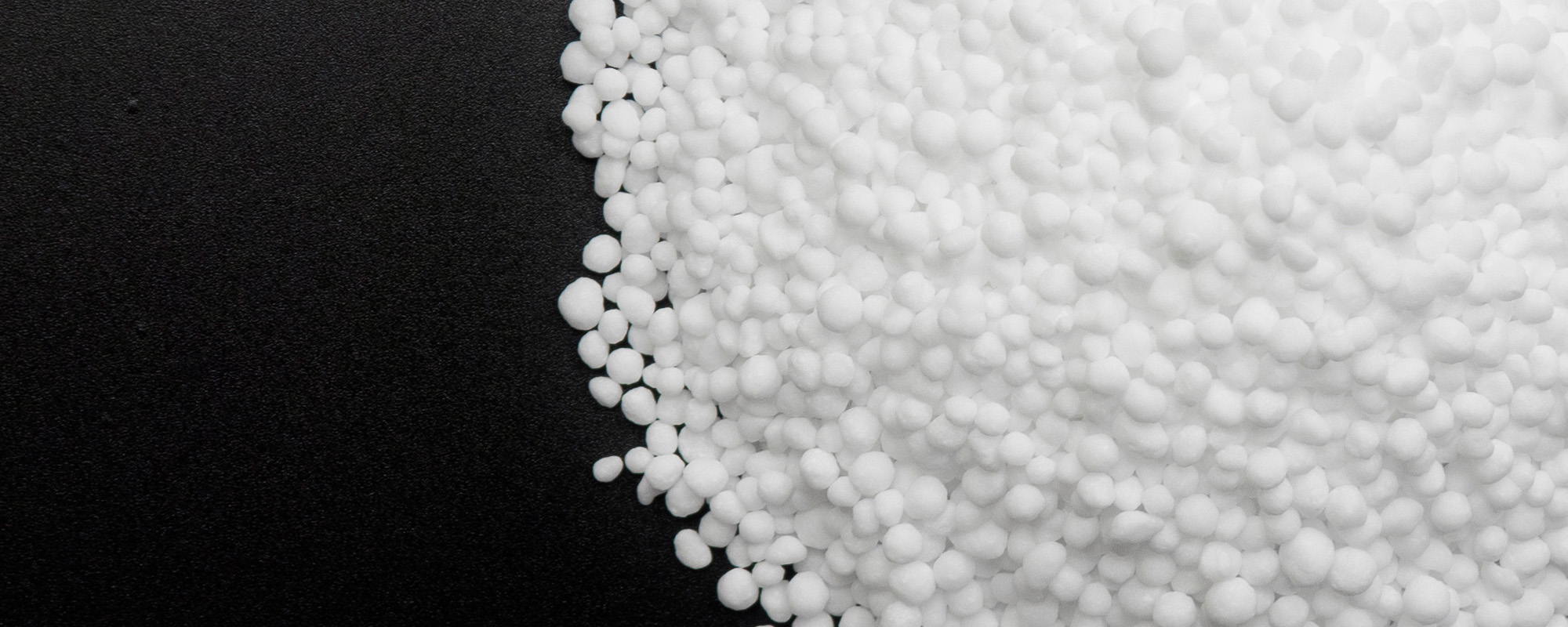
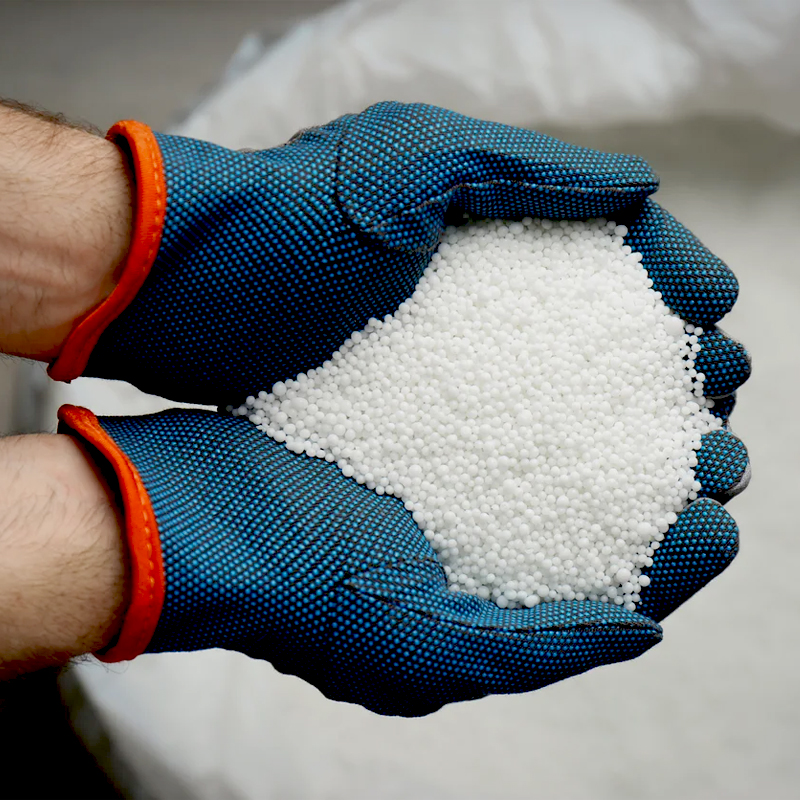
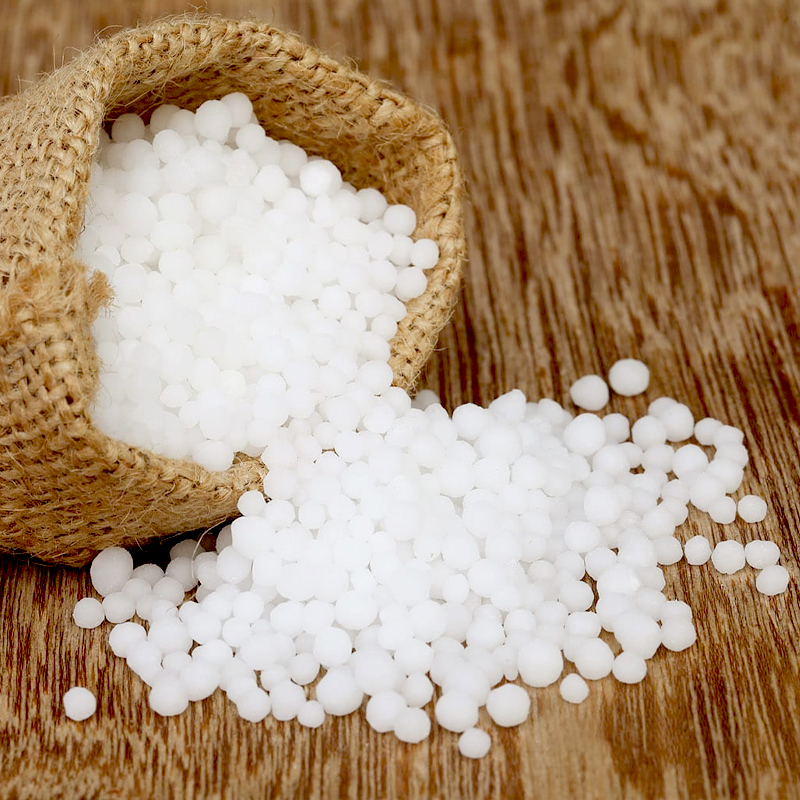
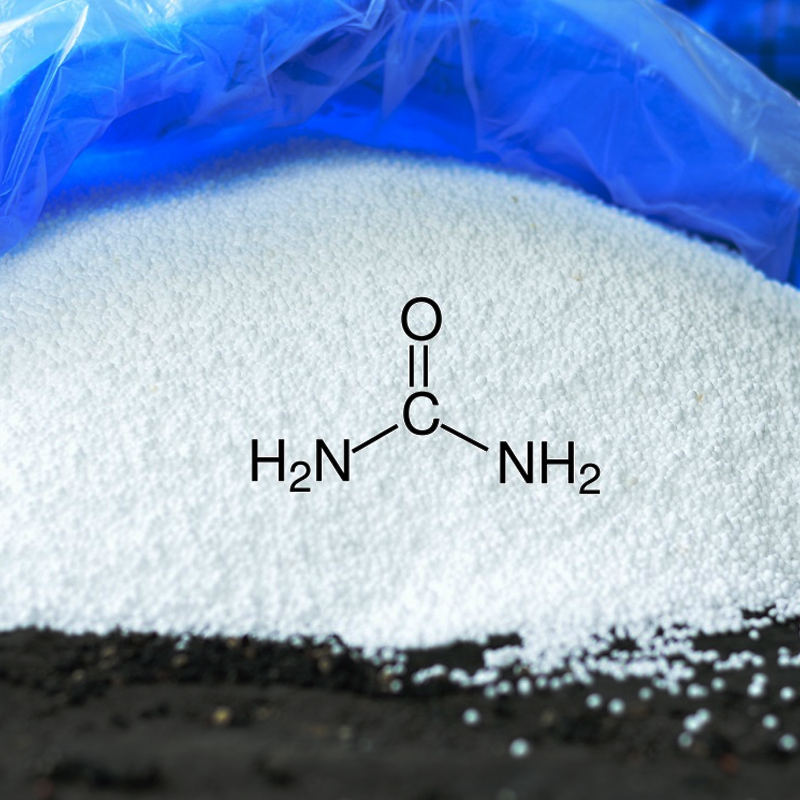
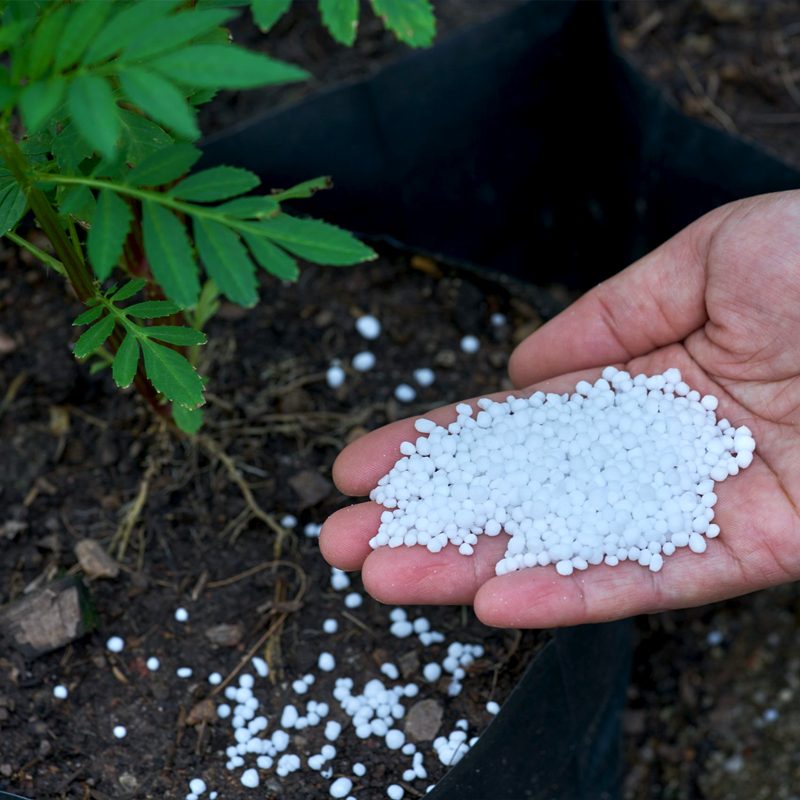
Urea, also known as carbamide, is a chemical compound with the formula CO(NH2)2. It is a colorless solid that is highly soluble in water. Urea is typically produced alongside ammonia in the same facility to utilize the carbon dioxide byproduct from ammonia production for urea synthesis. The global production capacity of urea is approximately 220 million tons per year, making it one of the most widely produced nitrogen-rich chemicals, second only to ammonia. Its primary use is in agriculture as a fertilizer due to its high nitrogen content.
Applications of Urea in Various Industries
- Agriculture:
Fertilizer: Over 90% of urea production is utilized as a nitrogen-releasing fertilizer in agriculture. It offers the highest nitrogen content among solid nitrogenous fertilizers and is preferred for its cost-effectiveness in transport per nitrogen unit.
Animal Feed: Urea serves as a relatively inexpensive nitrogen source to boost the growth of ruminant animals such as cattle and sheep.
- Chemical Industry:
Resins and Plastics: Urea is a key raw material for producing urea-formaldehyde resins, melamine formaldehyde resins, and other plastics.
Explosives: It is used as a stabilizer in nitrocellulose explosives.
Diesel Exhaust Fluid (DEF): Urea is a component of DEF, which helps reduce NOx emissions in diesel engines through selective catalytic reduction (SCR).
- Textile Industry:
Urea is used in textile processes to prevent fiber hardening.
- Automotive Systems:
Emission Control: In systems like BlueTec, urea solutions are injected into exhaust streams to convert nitrogen oxides into harmless nitrogen and water.
- Laboratory and Medical:
Protein Denaturation: Urea disrupts non-covalent bonds in proteins, enhancing their solubility for various applications.
Hydrogen Source: Urea can potentially serve as a hydrogen source for fuel cells.
- Miscellaneous:
Personal Care Products: Urea is used in skin creams, moisturizers, and hair conditioners for its hydrating properties.
Deicing Agent: It serves as a non-corrosive alternative to salt for road deicing.
Chemical Properties and Structure
Urea consists of a carbonyl group (C=O) attached to two amine groups (NH2). It is an organic compound that originates from carbonic acid. In its solid form, urea molecules form a dense hydrogen-bonded network, resulting in a flat molecular structure. This enables urea to trap other organic compounds, a property useful for separating mixtures such as those in jet fuel production and hydrocarbon isolation.
Production Process
Industrial Production:
Urea is industrially produced from synthetic ammonia and carbon dioxide, often near ammonia production facilities due to the shared production process and byproducts.
This endothermic reaction converts ammonium carbamate to urea and water.
The overall conversion is exothermic, using the heat from the first reaction to drive the second. Modern technologies, like the KM-CDR process, improve carbon dioxide recovery from flue gases, increasing urea yield and reducing greenhouse gas emissions.
Historical Context
Urea was first discovered in urine by Dutch scientist Herman Boerhaave in 1727. It was later synthesized from inorganic materials by Friedrich Wöhler in 1828, marking a significant milestone in chemistry by demonstrating that organic compounds could be made from inorganic substances.
Urea in the Human Body
Urea plays a critical role in the metabolism of nitrogen-containing compounds in animals. It is the primary nitrogenous waste product in mammalian urine, formed in the liver through the urea cycle. Urea is polar and water-soluble, facilitating its excretion through the kidneys. In medical applications, urea is used to increase plasma osmolarity, promoting water movement from tissues into interstitial fluids and plasma, thereby reducing intracranial pressure and increasing urine flow.
Economic Outlook
Urea production is projected to reach 300 million tons annually by 2030, driven by expansions in countries like India, Bangladesh, Nigeria, Egypt, Russia, and Uzbekistan. China is the largest producer and consumer of urea globally. In contrast, the Middle East, with significant production capacity, has a consumption rate lower than its production, allowing for substantial exports. As of 2023, urea prices are expected to stabilize around $300 per ton, with a potential slight decline in 2024 due to anticipated agricultural challenges from El Niño and increased production capacity.
Urea’s versatility extends beyond agriculture into automotive, chemical, and pharmaceutical industries, making it an indispensable compound in global industrial applications. With ongoing advancements in production technology and environmental considerations, urea continues to play a vital role in modern industry and agriculture.