


Spun Bond
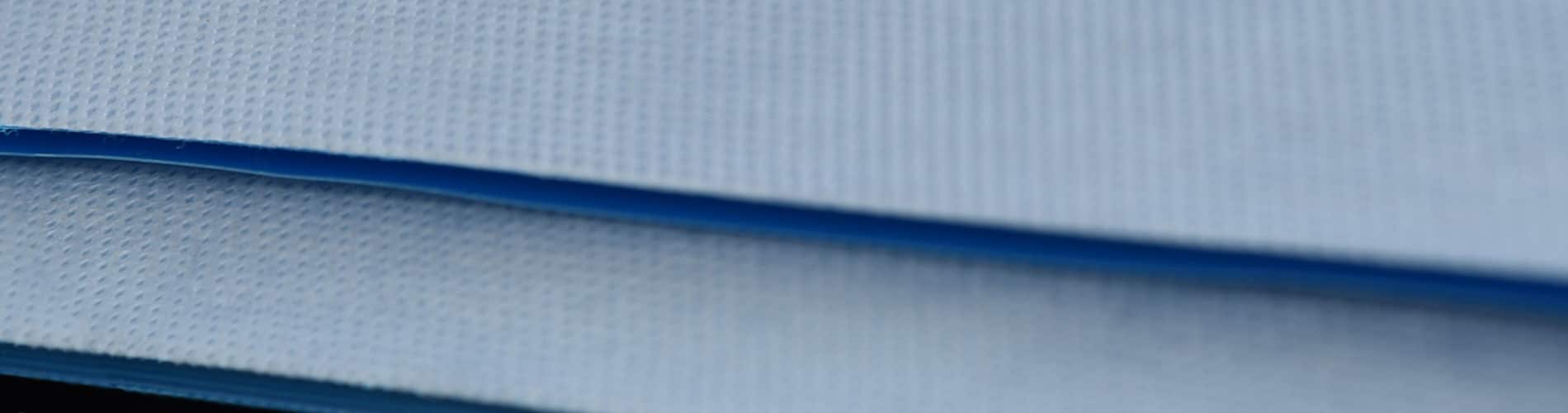
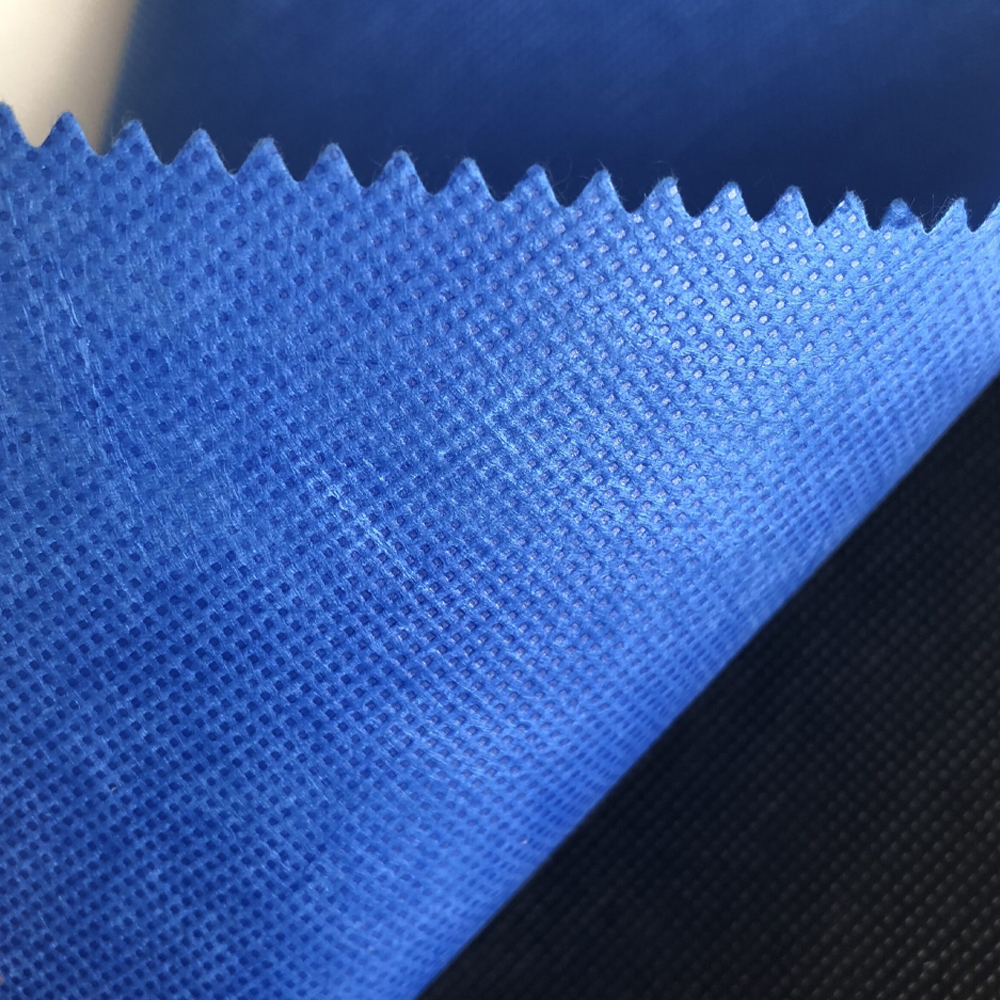
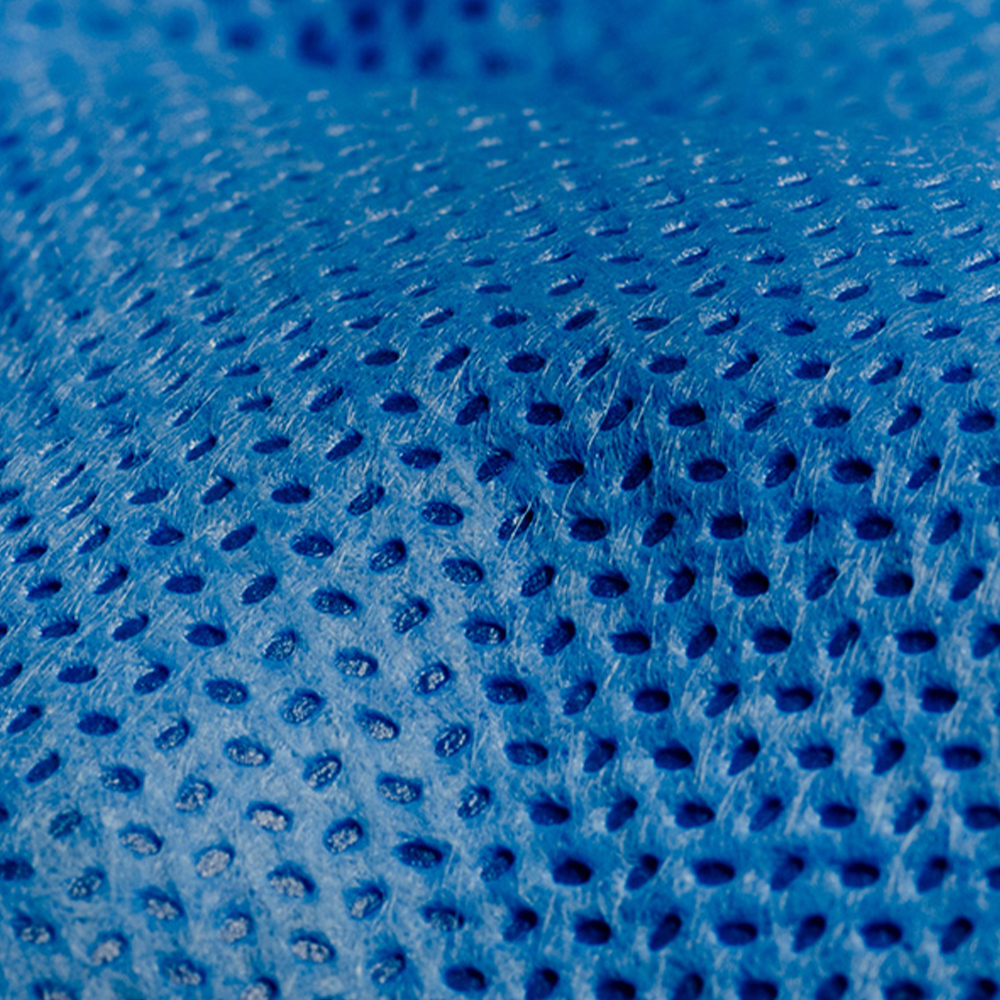


Spunbond Fabric
Spunbond fabric is known for being a non-woven material. Unlike traditional woven fabrics, spunbond is not made from yarn. Instead, it is produced using a special pressing machine. Many people mistakenly believe that spunbond is a new innovation, but it has actually been around for quite some time.
Based on these definitions, it should be clear that, unlike many fabrics in the market, spunbond is not made from fibers woven together. Instead, it resembles the structure of carpeting materials.
How Spunbond is Manufactured
The production of spunbond fabric requires a specialized machine known as an extruder. Initially, raw materials are fed into this machine. The primary component used in spunbond is polypropylene, which is subjected to high temperatures until it melts completely. To cool the molten materials, they are passed through a needle-like surface. After cooling, a rolling device called a calendar is used to smooth and flatten the material.
The calendar repeatedly presses the material until it reaches the desired thickness. The thickness is a crucial factor in spunbond fabrics, determining their various applications. This stage requires precision and expertise to ensure consistency.
Characteristics of Spunbond Fabric
Once you become familiar with the attributes of spunbond fabric, you’ll understand why it is so popular across various industries:
Cost-Effective: Spunbond is notably affordable compared to other fabric types, making it a practical choice for many applications. Additionally, it is easily recyclable, contributing to its environmental friendliness.
Variety of Colors: Spunbond fabric can be produced in a wide range of colors, allowing for customization based on specific needs.
Variety of Weights: It is available in different weights (referred to as “gsm” or grams per square meter). The most common weights in the market range from 20 to 90 grams, but heavier versions are also available for specialized uses.
Softness and Flexibility: This fabric is known for its softness, flexibility, and remarkable comfort.
Antibacterial Properties: Spunbond is designed to be antibacterial, making it suitable for hygienic applications.
Water Resistance: The fabric can be engineered to be water-repellent or hydrophilic, depending on its intended use.
Layered Structure: Spunbond fabrics can be manufactured in multiple layers, typically available in single, double, or triple-layer configurations (commonly labeled as S, 2S, and 3S).
Durability Against Sunlight: Spunbond fabric is highly resistant to UV radiation, making it suitable for outdoor applications.
Factors Affecting Spunbond Fabric Variations
Spunbond fabrics can be categorized into various groups based on differences in structure and appearance. Here are some factors that contribute to the diversity of spunbond fabrics:
Weight (GSM): Refers to the fabric’s density, affecting its strength and applications.
Color Options: Available in a multitude of colors to suit different aesthetic requirements.
Width and Length: The dimensions of spunbond rolls can vary, catering to different uses.
Water Repellency: Fabrics can be treated to repel water or absorb it, based on necessity.
Patterned or Plain: Options include plain, printed, or textured surfaces for diverse applications.
UV Resistance: Some spunbond fabrics are manufactured with UV-blocking properties.
Antibacterial Features: Ensures protection against microbial growth, ideal for medical applications.
Softness: The texture can vary from rough to exceptionally soft, depending on use.
Applications of Spunbond Fabric
Spunbond fabric is extremely versatile, finding applications across multiple industries. Here is a summary of its most notable uses:
Medical Industry
One of the most significant uses of spunbond is in the medical field. It is utilized for making disposable hospital gowns, surgical drapes, surgical caps, shoe covers, multi-layered masks, and more. These products are critical for maintaining hygiene and preventing contamination.
Packaging Industry
Spunbond is widely used in packaging for making covers for furniture, appliances, vehicles, and clothes, as well as for packaging food products like grains, fruits, and rice. It provides excellent protection and quality in packaging applications.
Automotive Industry
In the automotive sector, spunbond is used for interior decorations, painting operations, soundproofing, and more. Its versatility and durability make it an ideal material for various automotive applications.
Construction Industry
In construction, spunbond is used for interior decoration, building templates, roofing, and creating false walls. Its durability and resistance to environmental factors make it suitable for these purposes.
Agriculture Industry
Farmers and agricultural professionals frequently use spunbond to improve farming efficiency and protect their crops. Its applications in agriculture include providing breathable covers for farms and greenhouses, aiding in efficient irrigation, and acting as a shield for plants and flowers.
At SHIVAELYAF, we leverage our extensive experience in the fiber industry and our global network to supply high-quality nonwovens tailored to your specific needs.