


Bitumen
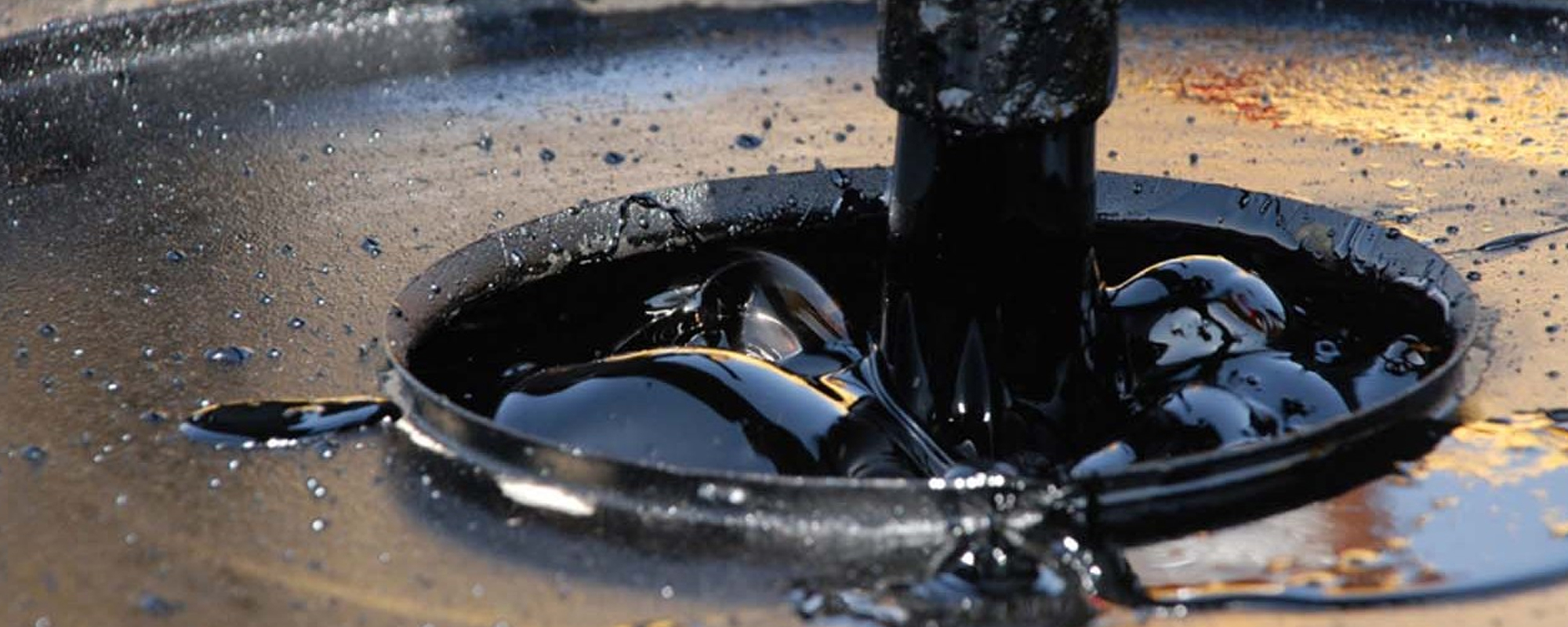
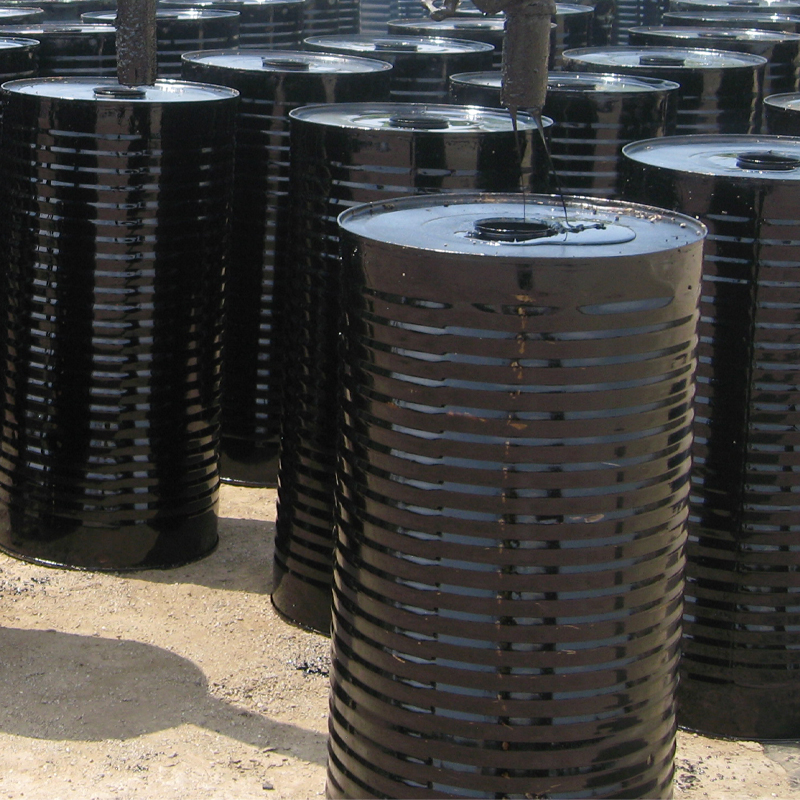
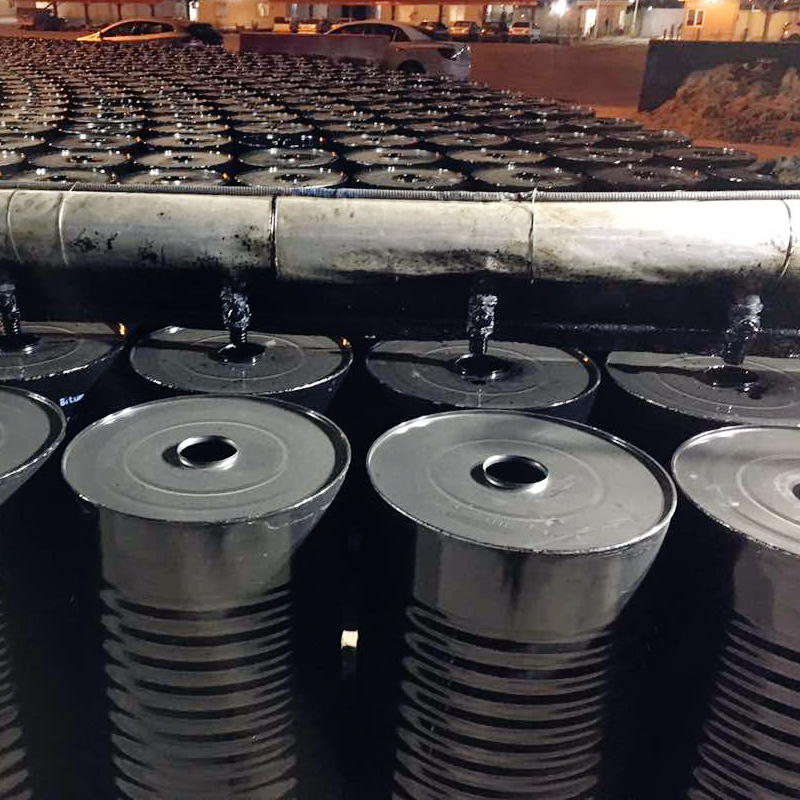
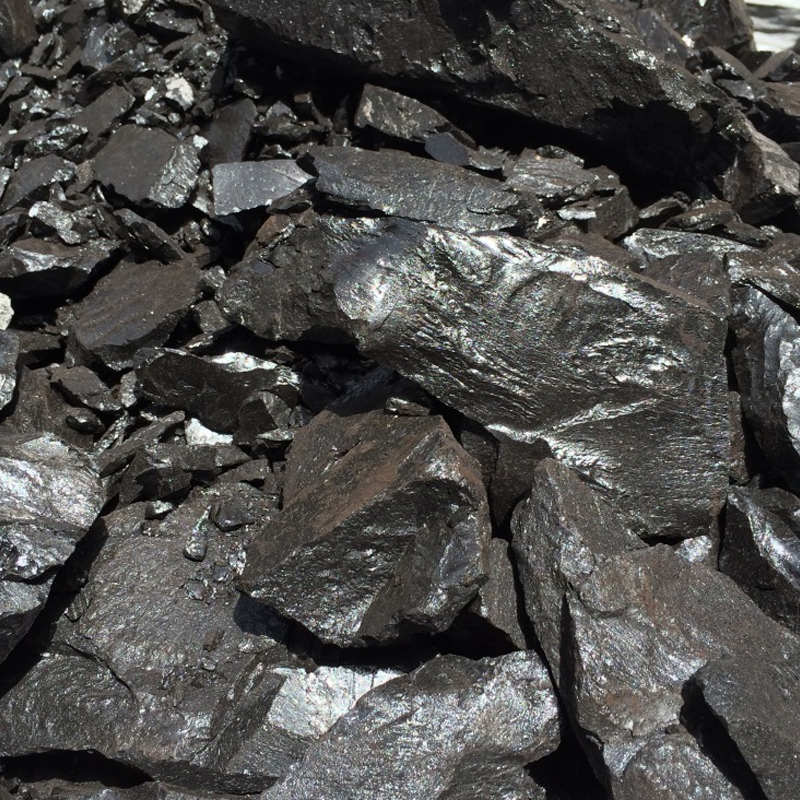
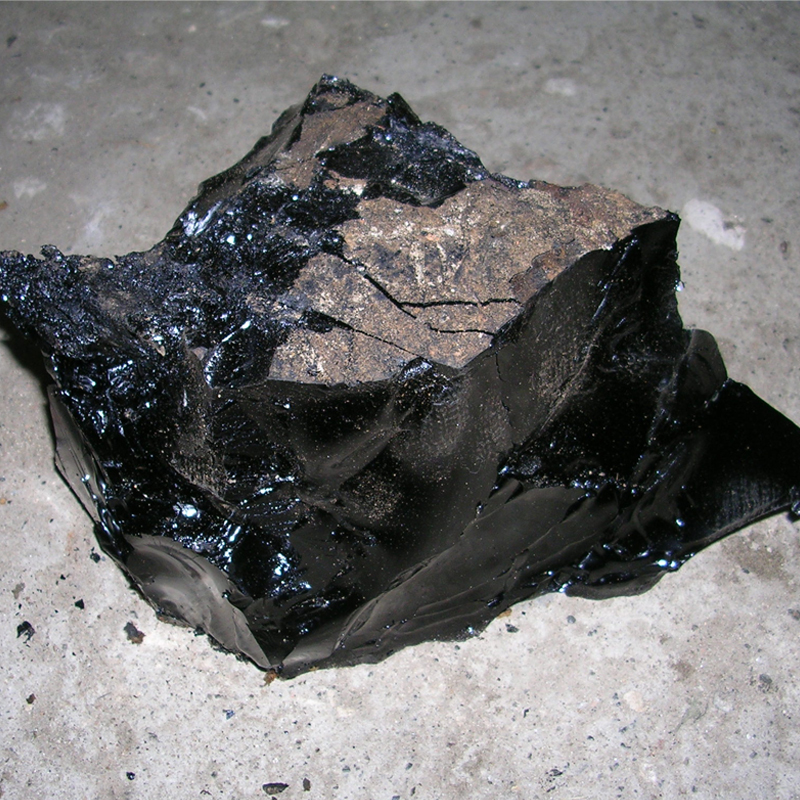
Bitumen is a hydrocarbon material available in dark brown and black colors, soluble in substances like carbon disulfide and tetrachloromethane. In normal temperatures, bitumen is solid but becomes pliable with heat. Bitumen comprises several chemical components, the most significant of which can be categorized as follows:
Heterocyclic compounds
Saturated hydrocarbons
Polar aromatic compounds like phenol
Naphthalene and polycyclic aromatic compounds
Classification of Bitumen:
Generally, bitumen is classified based on several factors and parameters, leading to a wide variety. Bitumen with a petroleum base can be categorized into the following three major types:
Cutback Bitumen: These are bitumen types mixed with solvents such as kerosene or gasoline to make them liquid at ambient temperatures or with slight heating. Examples include MC (Medium Curing), RC (Rapid Curing), and SC (Slow Curing) bitumen.
Emulsion Bitumen: In this type, bitumen is mixed with water and an emulsifying agent. The emulsifying agent constitutes about 0.3 to 0.5 percent of the bitumen’s weight. Alkali salts of organic acids or ammonium salts are commonly used emulsifying agents. These agents charge the bitumen particles, causing them to repel each other and remain suspended as tiny spheres within water. This type of bitumen is less polluting and carries a lower fire risk, often used for cold asphalt production and waterproofing. Examples include CMS (Cationic Medium Setting), CRS (Cationic Rapid Setting), and CSS (Cationic Slow Setting) bitumen.
Pure Bitumen: This type includes penetration grade bitumen like 60/70 and performance-graded bitumen (PG) like 30/75. Pure bitumen is derived from the refining of crude oil and is also known as distilled bitumen. It is obtained from a two-step distillation process. The first distillation at near-atmospheric pressure removes lighter components like gasoline and propane from crude oil. The second distillation, under vacuum, removes heavier components like diesel and kerosene.
Technical Specifications of Bitumen:
Despite the differences among various types of bitumen, their most critical technical properties can be summarized as follows:
- Viscosity
- Ductility
- Penetration
- Flash Point
- Softening Point
- Specific Gravity
- Solubility or Purity
- Fraass Breaking Point
- Effects of Heat and Air (Thin Film Over Test)
Types of Bitumen Based on Origin:
Another classification of bitumen, based on its origin, includes:
Petroleum-based Bitumen: These are semi-solid or solid bitumen obtained directly from crude oil distillation and subsequent processes in production units. This category is often referred to as distilled bitumen.
Tar-based Bitumen: These are black, hard materials that are the residue from coal tar distillation.
Natural Bitumen: These are bituminous materials naturally formed over time through the gradual transformation of crude oil and evaporation of volatile materials. They have greater durability than distilled bitumen and can exist in lake form or be extracted from mines.
Applications of Natural Bitumen:
- Natural bitumen is widely used across various industries:
- Agriculture
- Recycling industry
- Road and highway construction
- Transportation industry
- Building and construction
- Fuel source
- Insulating different equipment
- Coke industry
- Insulation industries like oil and gas
- Packing and Transportation of Bitumen:
Packing Methods:
Barrel Packaging: Bitumen is transported via sea in barrels. In 20-foot containers, 110 barrels without pallets and 80 barrels with pallets can fit. In 40-foot containers, 40 barrels without pallets and 137 barrels with pallets can be accommodated.
Jumbo Bag (Polybag): This is an efficient and environmentally friendly packing method, reducing costs and easing transportation. Bulk packing is used for exporting large quantities of bitumen-containing products.
Transportation Methods:
Truck Transport: This is used for bulk bitumen transport, allowing large quantities to be delivered to the final destination.
Rail Transport: Trains are also used for long-distance transportation of large amounts of bitumen.
Ship Transport: Primarily used for international transportation, ships can carry substantial quantities of bitumen to distant locations.
Types of Bitumen:
Blown Bitumen: This type is produced by blowing hot air through pure bitumen during the final stage of refining. In this process, the hydrogen atoms in the hydrocarbon molecules combine with oxygen, forming water and causing polymerization. Blown bitumen has lower penetration and higher softening points than pure bitumen and is less sensitive to temperature changes. It is mainly used in roofing materials, automotive batteries, and coating applications.
Emulsion Bitumen: This is made by mixing bitumen with water and an emulsifying agent. The emulsifying agent makes up about 0.3 to 0.5 percent of the bitumen’s weight. The water content in this bitumen is about 30 to 50 percent of its weight. Emulsion bitumen is used for cold asphalt in humid environments or waterproofing, requiring additional water to reach a content of about 65 percent.
Polymer-Modified Bitumen: This involves mixing bitumen with one or more polymers to improve its properties, enhancing its performance under different weather conditions and its adhesion to mineral aggregates.
The Bitumen Industry in Iran:
Iran plays a significant role in the global bitumen market. The country’s capacity is six million tons annually, with approximately four million tons exported to over 30 countries. While various challenges face the Iranian bitumen industry, including unregulated competition, lack of quality control, and infrastructural issues, Iran remains a major player.
Iran’s Position: Iran is the seventh-largest bitumen producer and fourth-largest exporter globally, meeting 8.3% of global demand. It exports to the Middle East, South Asia, East and Southeast Asia, Africa, and Europe.
Domestic Consumption and Export: Iran produces about five million tons of bitumen annually, with half consumed domestically and half exported.
Challenges: The bitumen industry in Iran faces several challenges, including unhealthy competition, differing pricing, lack of quality oversight, and issues related to export logistics.
Export Challenges and Market Position:
Despite international sanctions, Iranian bitumen exports continue relatively unimpeded, thanks to diversified shipping methods that make tracking difficult. However, there are challenges related to private sector involvement, tax processes, and inadequate port facilities for large bitumen carriers.
Global Bitumen Production:
Globally, Canada is the largest bitumen producer, with leading companies like Shell Bitumen accounting for a significant share of world production.
Types of Solid Bitumen Grades Produced in Iran
In Iran, solid bitumen is produced in various grades based on penetration and performance characteristics. These grades are derived from refining crude oil and are indicated by numbers representing the penetration value, such as 60/70, 80/100, and 85/100. The penetration grade signifies the hardness and softness of the bitumen, with lower numbers indicating harder bitumen. The 60/70 grade is commonly used for road construction due to its ideal balance between flexibility and durability, making it suitable for varying temperatures and heavy traffic. Iran also produces oxidized or blown bitumen grades like R90/15, known for their enhanced resistance to temperature fluctuations and weather conditions, used in roofing and waterproofing applications. Additionally, modified bitumen grades, which incorporate natural additives or polymers to improve performance properties like elasticity and adhesion, are gaining popularity for use in advanced construction and infrastructure projects. These diverse grades allow for tailored solutions in paving, construction, and industrial applications, reflecting Iran’s significant role in the global bitumen market.