


PE
What is Polyethylene?
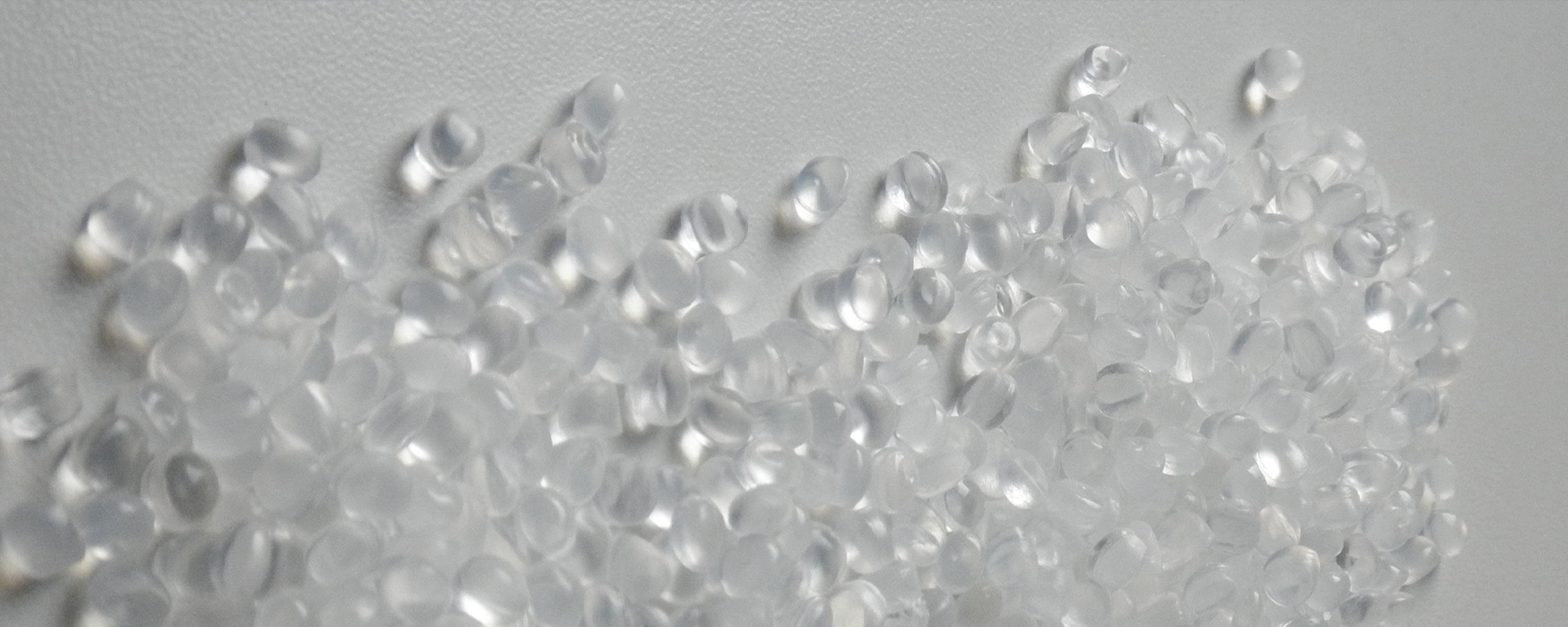
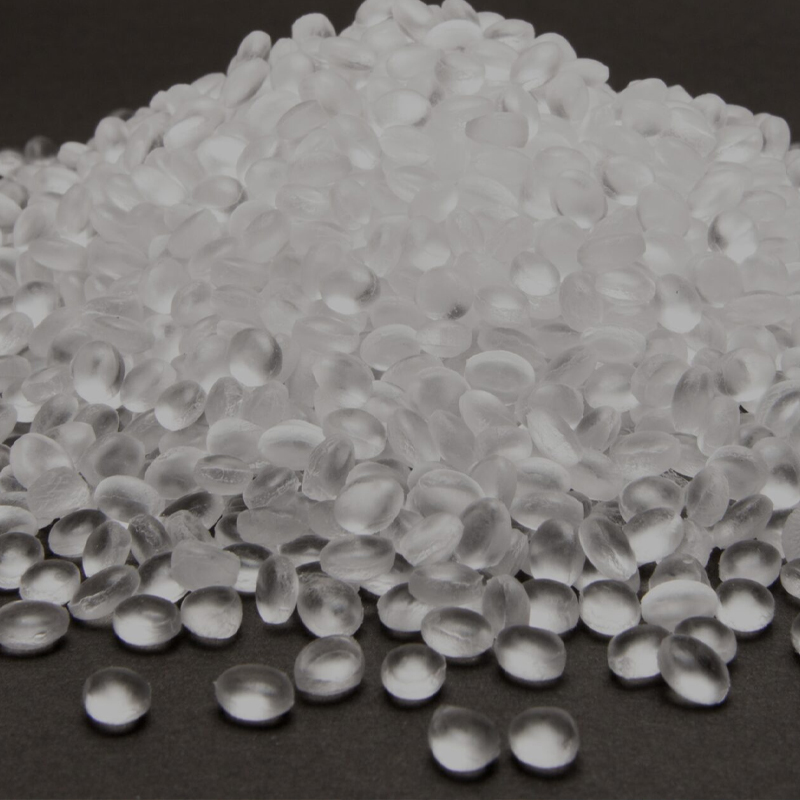
Polyethylene, often referred to as PE, is a thermoplastic polymer made from ethylene as the repeating unit. Ethylene is a saturated hydrocarbon with the chemical formula C2H4 and is derived from natural gas or crude oil.
Polyethylene is a versatile and widely used plastic that plays an important role in our daily lives. With its exceptional strength, flexibility, and chemical resistance, polyethylene has become one of the most popular choices for packaging, construction, and industrial applications.
History and Discovery of Polyethylene
The history of polyethylene dates back to 1933 when two British chemists, Reginald Gibson and Eric Fawcett, first produced this polymer. However, the industrial production of polyethylene entered broader stages when the Imperial Chemical Industries (ICI) improved the process and introduced polyethylene to the market under the brand name “Polythene” in 1939.
In the following decades, with technological advancements and research, the production processes of polyethylene improved, and its applications expanded in various industries. This polymer became one of the most important polymeric materials globally due to characteristics like lightness, resistance to chemicals, excellent electrical insulating properties, and resistance to moisture.
Polyethylene exists in various forms, including High-Density Polyethylene (HDPE), Low-Density Polyethylene (LDPE), and Linear Low-Density Polyethylene (LLDPE). Each type of polyethylene has its unique properties and benefits, making them suitable for specific applications:
LDPE (Low-Density Polyethylene): Flexible with good transparency, often used in packaging.
LLDPE (Linear Low-Density Polyethylene): More flexible with better mechanical properties than regular LDPE, used in packaging.
HDPE (High-Density Polyethylene): Strong and ideal for containers, pipes, and outdoor furniture.
UHMWPE (Ultra-High Molecular Weight Polyethylene): Extremely strong, used in medical implants.
Types of Polyethylene
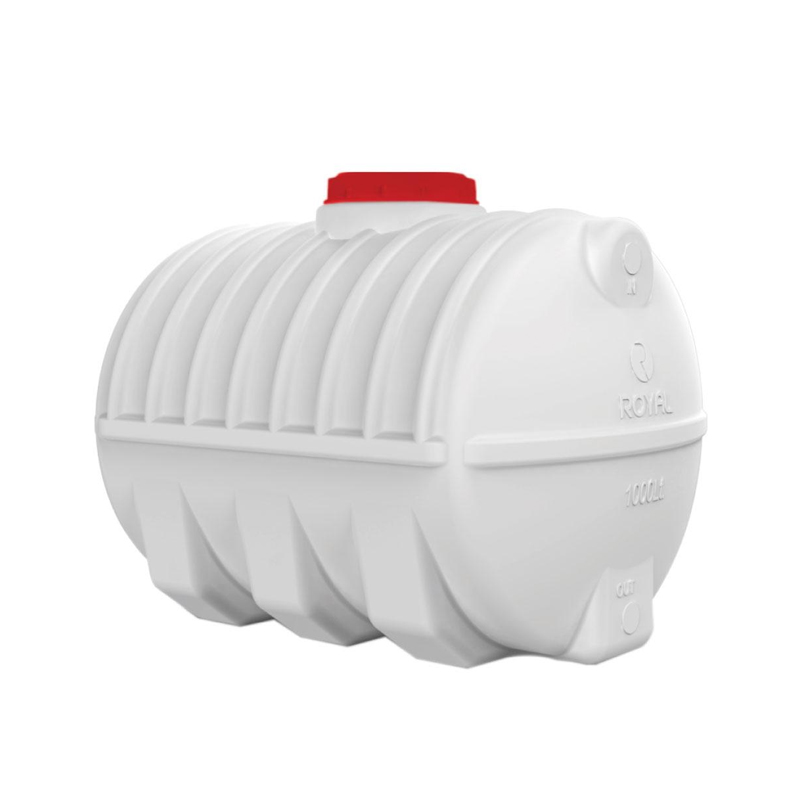
High-Density Polyethylene (HDPE): Known for its high strength-to-density ratio, making it ideal for applications where durability and strength are needed. HDPE is commonly used for water pipes, fuel tanks, and outdoor furniture. This material is also resistant to chemicals and is used for containers storing corrosive substances.
Low-Density Polyethylene (LDPE): More flexible and has a lower density compared to HDPE. It is commonly used for packaging materials like plastic bags, bottles, and pipes. LDPE is also known for its excellent electrical insulating properties, making it suitable for wire and cable insulation.
Linear Low-Density Polyethylene (LLDPE): A type of LDPE with linear polymer chains. It combines the flexibility of LDPE with the strength and toughness of HDPE. LLDPE is commonly used for stretch films, agricultural films, and geomembranes. It is also used in rotational molding applications such as large storage tanks and playground equipment.
Comparison Table of Polyethylene Types
LDPE | LLDPE | HDPE | |
Full Name | Low-Density Polyethylene | Linear Low-Density Polyethylene | High-Density Polyethylene |
Structure | Lightweight | Linear Lightweight | Heavy |
Density | 0.910-0.925 g/cm³ | 0.91-0.94 g/cm³ | 0.941-0.965 g/cm³ |
Crystallinity | Low crystalline, high amorphous (less than 50-60% crystalline) | Semi-crystalline (35-60%) | High crystalline, low amorphous (over 90% crystalline) |
Properties | • Flexible with good transparency • Good moisture resistance • High impact strength at low temperatures • Excellent resistance to acids, alkalis, and vegetable oils | • Higher tensile strength compared to LDPE • Higher impact and puncture resistance | • Excellent chemical resistance • High tensile strength • Excellent moisture resistance • Rigid to semi-flexible |
General Applications | • Small packaging, films, garbage bags, shrink films • Cable insulation • Polyethylene foams • Relatively soft injection molded parts • Multilayer films | • High-performance bags • Cushion films • Rubber separating films • Industrial liners • Elastic films • Ice bags • Packaging films and garbage bags | • Dairy packaging containers • Oil containers • Plastic barrels • Polyethylene tanks • Plastic tanks • Store shopping bags • Water and gas pipes |
Mechanical Properties of Polyethylene Types
Mechanical Properties | LDPE | LLDPE | HDPE |
Tensile Strength (Yield Point) [Kg/cm²] | 64.3 to 142 | 75.9 to 218 | 172.3 to 323.4 |
Elongation at Break [%] | 87 to 710 | 350 to 910 | Up to 1000 |
ESCR (Environmental Stress Cracking Resistance) | 4-100 | 100-1500 | 4-1000 |
Hardness | 40 to 56 | 49 to 62 | 59 to 71 |
Impact Strength (Izod) [kg.cm/cm] | 35.9 to 44.6 | 24.5 to 54.4 | 40 to 51.7 |
Polyethylene Production Process
Polyethylene is produced through a process called polymerization, where ethylene monomers are chemically bonded to form long chains of polyethylene molecules. The polymerization process can be carried out using various techniques such as high-pressure, low-pressure, and gas-phase processes.
High-pressure polymerization involves exposing ethylene monomers to high pressures and temperatures in the presence of a catalyst. This process produces LDPE, which has a branched structure and low density.
Low-pressure polymerization involves using a catalyst and a comonomer such as butene or hexene to produce LLDPE with a linear structure.
Gas-phase polymerization is a more advanced process that involves using a fluidized bed reactor and a catalyst to produce HDPE. This process provides better control over the polymer structure and properties, resulting in higher strength and density compared to LDPE and LLDPE. The choice of polymerization process depends on the desired properties and applications of the polyethylene.
In LDPE production, organic peroxides are used to initiate and control the reaction temperature. The polymerization reaction requires suitable initiators to start polymer chains, which will be injected into specific points in the reactor after dilution with a suitable solvent.
For the polyethylene production reactor, if possible, comonomers are fed into the production unit and compressed to 2400 bar pressure using a booster compressor. It will then enter the autoclave reactor in the next stage. After mixing the materials and their reaction in the reactor, the excess ethylene enters the recovery cycle and is reconnected to the reactor’s input flow. The melted polymer is mixed with additives and enters the extruder to achieve final yield and product.
Approximately 27% of global PE production is done through the high-pressure process.
Production of High-Density Polyethylene (HDPE):
This type of polyethylene with HDPE grade is produced using slurry polymerization and sequential reactors. Generally, the sequential nature of this process results in the production of high-quality polyethylene types. The polymerization process is carried out using a medium like n-hexane, which serves to homogenize alongside the highly active Ziegler-Natta catalyst.
For producing injection-molded HDPE, a catalyst, a homogenizing medium, and hydrogen are fed into the reactor. In subsequent reactors, only ethylene and butene and a homogenizing medium are fed as feedstock. The reaction in reactors is controlled intermittently to achieve high-purity HDPE.
Finally, the slurry solution extracted from the reactor enters the centrifuge, separating the polymer from the homogenizing medium. The polymer, which includes the remaining hexane from previous stages, is processed in a fluid bed dryer and then with pulverizing equipment to remove catalyst residues.
Production of Linear Low-Density Polyethylene (LLDPE):
The first reactor is designed to ensure proper thermal mixing. Under controlled conditions and at a temperature of 75 to 110 degrees Celsius and a pressure of 20 bar, Ziegler-Natta and metallocene catalysts from a source containing chromium catalysts are directly injected into the reactor.
To produce linear low-density polyethylene, in this fluidized bed reactor, the gas bed containing ethylene, hydrogen, nitrogen, and comonomers begins production. Particles that do not reach acceptable quality are collected by the gas that cyclones gather and are reintroduced into the reactor.
Applications of Polyethylene
Due to its versatile properties, polyethylene is used in a wide range of industries and applications. In the packaging industry, it is commonly used for plastic bags, food containers, and bottles. Polyethylene is also used for packaging films such as shrink wrap and stretch wrap, providing protection and product stability during transportation.
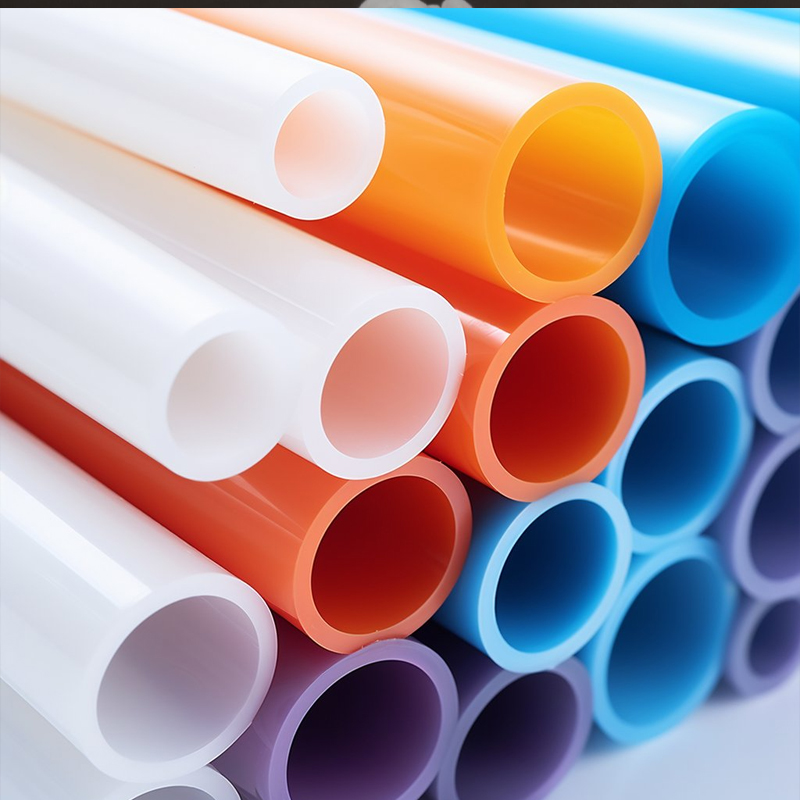
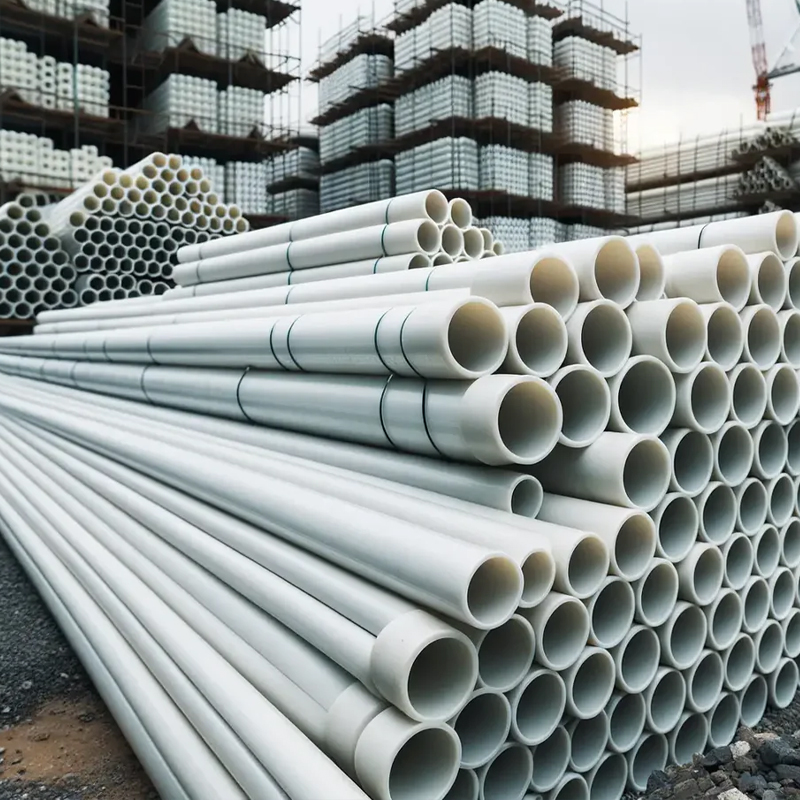
In the construction industry, polyethylene is used for pipes, fittings, and insulating materials. HDPE pipes are widely used for water supply and drainage systems due to their durability and resistance to chemicals. Polyethylene foams are used for insulation in buildings and as cushioning material in packaging.
In the automotive industry, polyethylene is used for fuel tanks, bumpers, and interior components. Its lightweight nature helps improve fuel efficiency and reduces emissions in vehicles. Additionally, polyethylene is used in the agricultural industry for greenhouse films, irrigation pipes, and agricultural nets.
Future of Polyethylene
Polyethylene continues to evolve with advancements in polymer technology. Researchers are exploring new production methods to improve its properties, such as increasing its strength, thermal stability, and recyclability. The development of bio-based polyethylene from renewable sources is also gaining attention, as it offers a more sustainable alternative to traditional petroleum-based polyethylene.
Efforts are also being made to improve the recycling of polyethylene to reduce its environmental impact. Recycling methods such as mechanical recycling and chemical recycling are being developed to recover polyethylene waste and convert it into new products. The future of polyethylene lies in developing innovative materials and sustainable practices that will meet the growing demand for this versatile polymer while minimizing its impact on the environment.
Polyethylene Market
The polyethylene market is one of the largest sectors within the global plastics industry, with significant demand in various regions such as North America, Europe, and Asia-Pacific. This market is growing due to the increasing need for lightweight and durable materials in different industries, including packaging, construction, automotive, and agriculture.
The polyethylene market’s growth is driven by factors such as urbanization, population growth, and the rising demand for consumer goods. Technological advancements in production processes and the development of new polyethylene grades with improved properties are also contributing to market expansion.
However, the polyethylene market faces challenges such as environmental concerns related to plastic waste and fluctuating raw material prices. The industry’s focus is shifting towards sustainable practices, including recycling and the use of bio-based polyethylene, to address these issues and promote a circular economy.
Key Polyethylene Producers
Several leading companies dominate the global polyethylene market, producing various types of polyethylene to meet diverse industrial needs. Some of the key players in the polyethylene industry include:
ExxonMobil Chemical:
ExxonMobil is one of the largest polyethylene producers worldwide, offering a wide range of polyethylene products, including LDPE, LLDPE, and HDPE. The company focuses on delivering innovative solutions and sustainable practices in polyethylene production.
Dow Chemical Company:
Dow is a major player in the polyethylene market, producing advanced polyethylene materials with high performance and durability. The company’s product portfolio includes a variety of polyethylene grades for applications in packaging, automotive, and construction.
SABIC (Saudi Basic Industries Corporation):
SABIC is a leading polyethylene manufacturer, known for its extensive range of polyethylene products, including linear low-density polyethylene (LLDPE) and high-density polyethylene (HDPE). The company is committed to sustainable production practices and innovation in polymer technology.
LyondellBasell Industries:
LyondellBasell is a prominent producer of polyethylene, offering a comprehensive range of products for various industrial applications. The company is focused on developing high-performance materials and advancing recycling technologies to enhance polyethylene sustainability.
INEOS Group:
INEOS is a key player in the polyethylene industry, producing a wide array of polyethylene grades with applications in packaging, agriculture, and construction. The company emphasizes innovation and sustainability in its production processes.
China Petrochemical Corporation (Sinopec):
Sinopec is one of the largest polyethylene producers in Asia, offering a broad spectrum of polyethylene products, including HDPE, LDPE, and LLDPE. The company is focused on expanding its production capabilities and adopting environmentally friendly practices.
Polyethylene Production in Iran
Iran is a significant player in the global polyethylene market, with substantial production capacities for various polyethylene types. The country has numerous petrochemical complexes and facilities dedicated to polyethylene production, contributing to its position as a major exporter of polyethylene in the Middle East.
Iran’s polyethylene industry benefits from its abundant natural gas reserves, which provide a cost-effective source of ethylene, the primary raw material for polyethylene production. The country’s strategic location also enables it to access key markets in Asia, Europe, and Africa, enhancing its competitiveness in the global polyethylene industry.
Some of the prominent polyethylene production facilities in Iran include:
Jam Petrochemical Company:
Jam Petrochemical Company is one of Iran’s largest polyethylene producers, offering a diverse range of polyethylene products, including LDPE, LLDPE, and HDPE. The company is committed to innovation and sustainable production practices, catering to domestic and international markets.
Amir Kabir Petrochemical Company:
Amir Kabir Petrochemical Company specializes in producing various polyethylene grades, focusing on high-quality materials for packaging, construction, and agriculture. The company aims to expand its production capabilities and enhance its product offerings through research and development initiatives.
Bandar Imam Petrochemical Company:
Bandar Imam Petrochemical Company is a leading polyethylene producer in Iran, offering a wide range of polyethylene products with applications in different industries. The company is dedicated to sustainable practices and technological advancements in polyethylene production.
Arak Petrochemical Company:
Arak Petrochemical Company is a prominent player in Iran’s polyethylene industry, producing high-quality LDPE and HDPE products for various applications. The company focuses on innovation and sustainability to meet the growing demand for polyethylene in domestic and international markets.