


PP
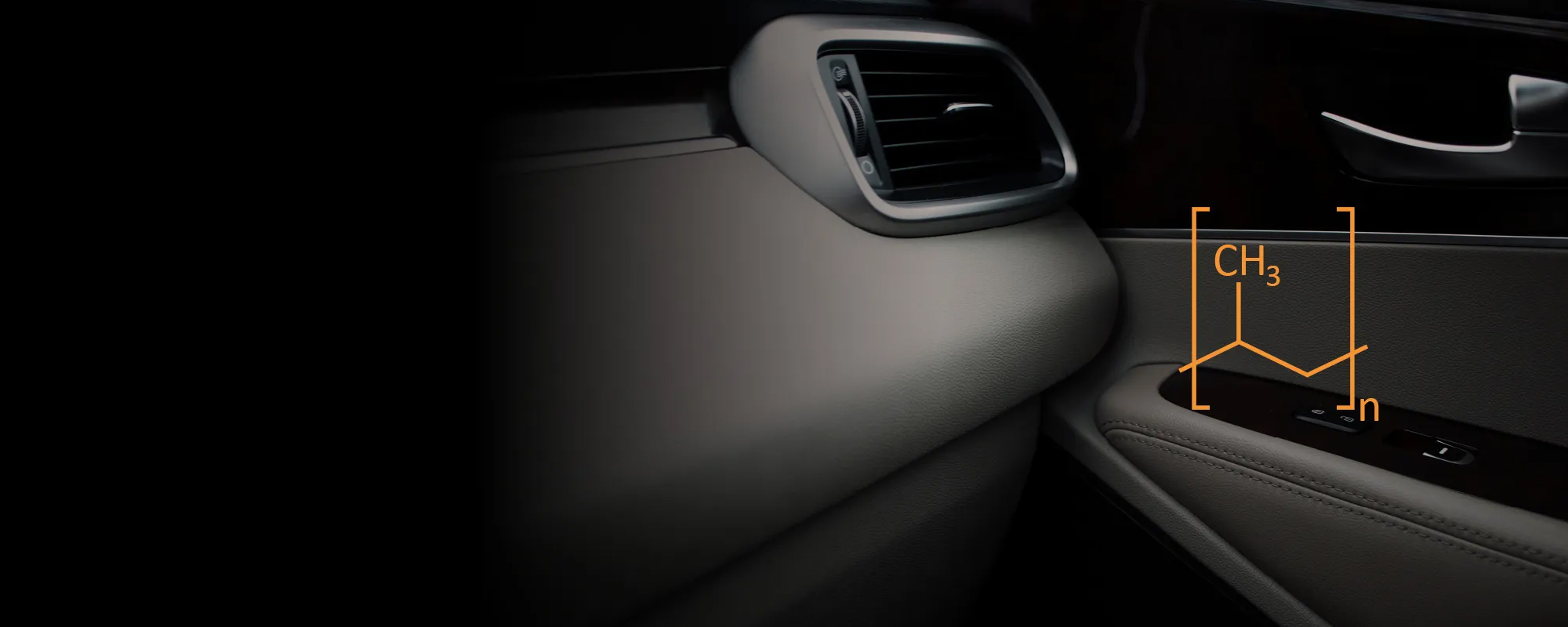
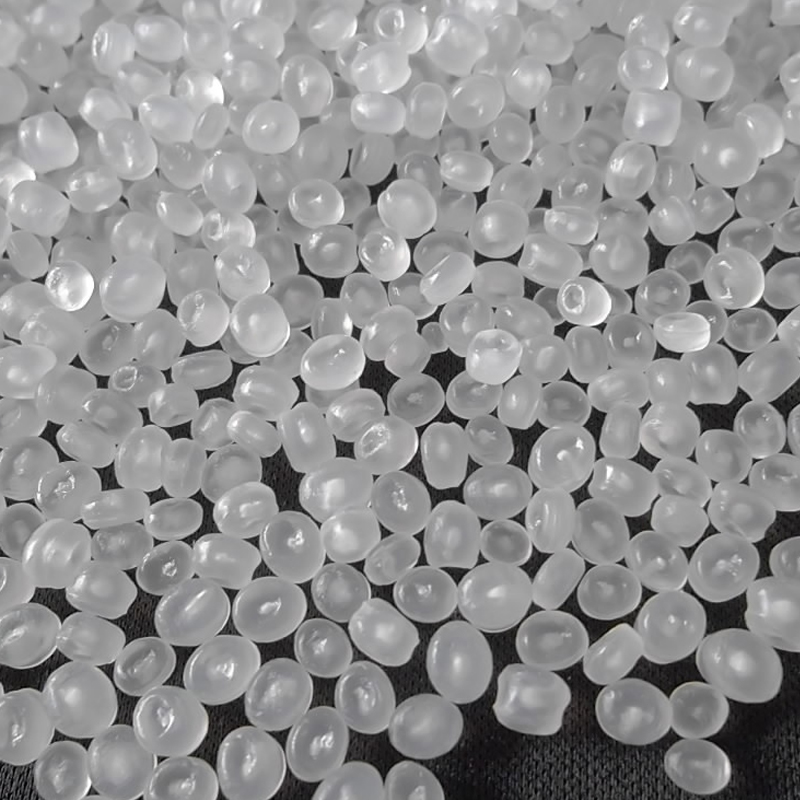
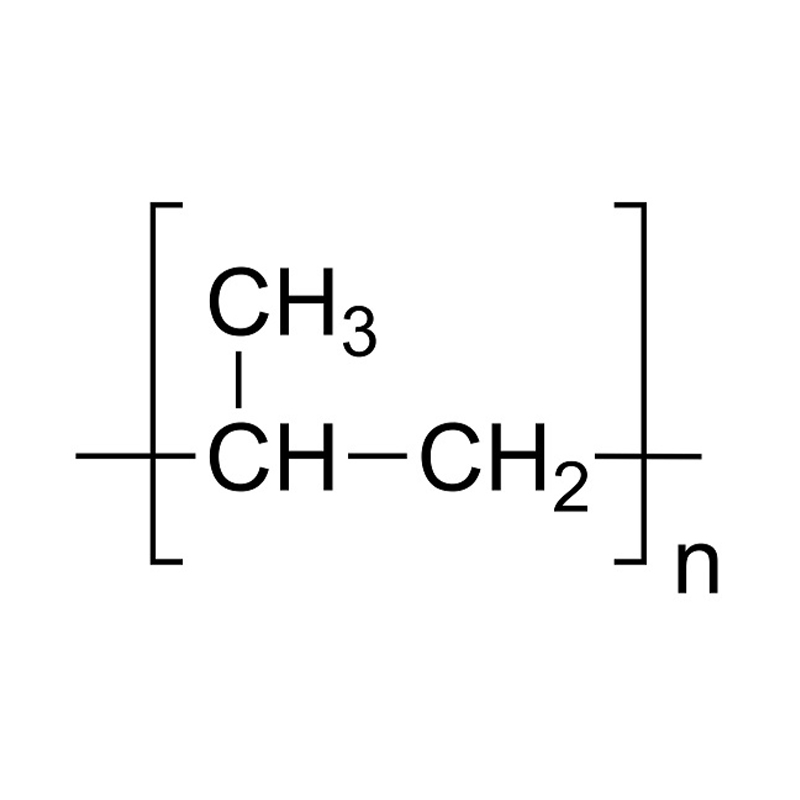
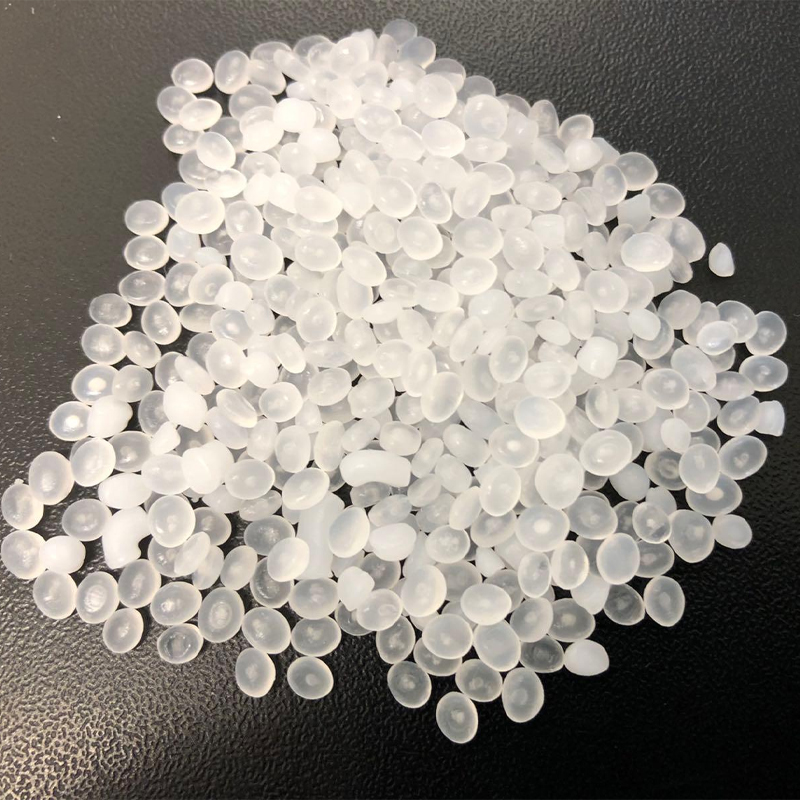
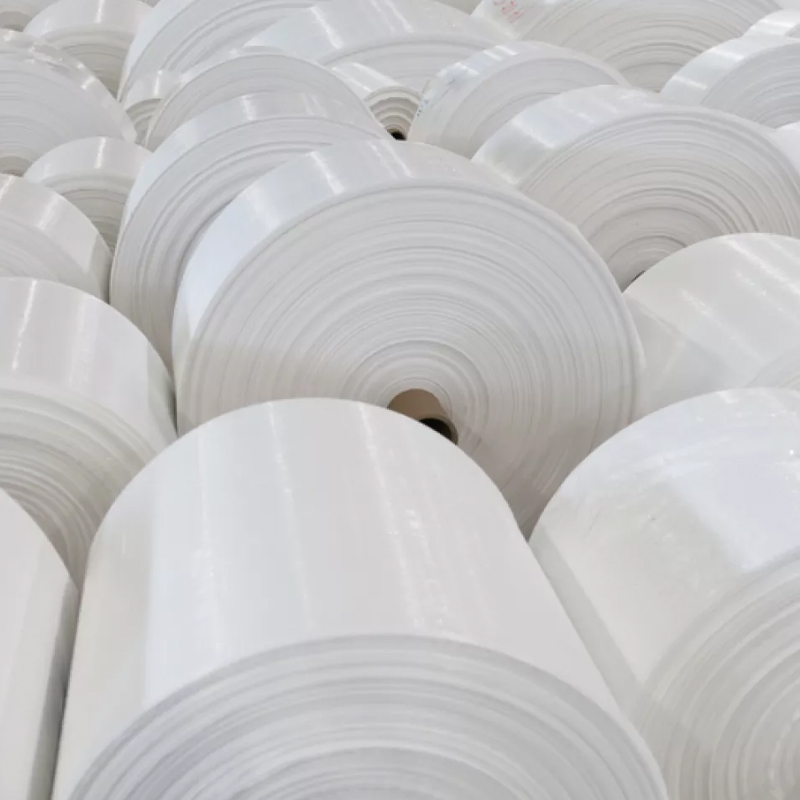
Polypropylene is one of the most widely used and essential polymers in the world. The chemical formula for polypropylene (PP) is (C3H6)n. But what exactly is polypropylene, and what are its types and applications?
Polypropylene Production
Polypropylene is produced through the polymerization of propylene under relatively mild temperature and pressure conditions using the well-known Ziegler-Natta catalyst. This catalyst results in the formation of an isotactic polymer, which can crystallize up to 90%.
Polypropylene is a thermoplastic polymer used in a wide range of applications, including film and sheet production, blow molding, injection molding, food packaging, textiles, laboratory and medical equipment, piping, and industrial and construction applications, as well as automotive components. Additionally, the polymer made from propylene monomer is typically resistant to chemical solvents, bases, and acids.
Chemical Structure and Configurations
The propylene molecule has an asymmetric chemical structure, leading to three possible sequences in the polymer structure during polymerization. Due to the spatial hindrance effects of methyl groups, the head-to-tail sequence has a higher structural order than other types.
Polypropylene has three different spatial configurations: isotactic (iPP), syndiotactic (sPP), and atactic (aPP). In the isotactic form, the methyl groups are on one side of the plane passing through the main chain. In the syndiotactic form, the methyl groups alternate sides along the chain. In the atactic form, there is no specific order.
A Ziegler-Natta catalyst can limit the arrangement of monomers to a specific configuration, allowing only the correct orientation of monomers to add to the polymer chain. Most conventional polypropylenes produced using titanium chloride (TiCl4) catalysts have a high percentage of isotactic polypropylene. Because the methyl groups are on one side, some molecules tend to form helices, which align next to each other to create the typical strength of conventional polypropylene.
Properties and Advantages
Commercial iPP offers diverse properties, enabling its widespread use, particularly in the plastics and fibers industries. One of its key properties compared to polymers like polyamides is its lack of moisture absorption, making it a suitable choice for various applications. Its properties can be enhanced through post-processing modifications such as controlled degradation, crosslinking, functionalization, and branching.
The molecular structure of polypropylene is linear due to the nature of Ziegler-Natta catalysts, which results in low melt strength. This limitation affects the polymer’s applicability in processes like blow molding and thermoforming.
Compared to other polymers, polypropylene has several distinctive features:
Relatively Low Cost of Propylene Monomer: Propylene is cheaper than monomers for other polymers, which translates to a lower cost for PP.
Low Density and Lightweight Nature: This makes PP a preferred choice for applications requiring weight efficiency.
Flexibility and Diverse Production Range: PP can be produced with varying physical and chemical properties.
Expanding Applications and Improved Grades: The development of new applications and enhanced properties of newly produced grades are increasing.
Increased Use in Medical Equipment: The adoption of PP in medical devices and special-grade applications is growing.
Polymer Alloying: PP is increasingly used in alloys with other polymers.
Replacement of Other Polymers: PP is substituting polymers like PS, PE, etc., due to its superior properties.
Types of Polypropylene Grades
Polypropylene materials are generally divided into two main categories: homopolymer polypropylene and copolymer polypropylene.
Homopolymer Polypropylene: Produced by polymerizing propylene monomers alone, this type has higher tensile strength and hardness compared to copolymers, but it has a major drawback: lower impact resistance. Homopolymer PP is more brittle than copolymer PP, especially at low and sub-zero temperatures, limiting its use in injection-molded parts exposed to impact and low temperatures.
Copolymer Polypropylene: Produced by polymerizing propylene with ethylene comonomer, this variant addresses the impact resistance limitation of homopolymers. By adjusting the amount of ethylene added, controlling copolymer morphology, crystallization type, and molecular weight, impact resistance can be optimized, although this comes at the cost of reduced hardness and stiffness.
Copolymer Types: Block and Random
Copolymer polypropylene is further divided into block and random copolymers.
Block Copolymers: Ethylene segments are interspersed with propylene segments along the polymer chain, which results in improved impact resistance as energy is dissipated between the ethylene and propylene segments.
Random Copolymers: Ethylene monomers are distributed randomly along the polymer chain, making the ethylene particles too small to scatter light, thus allowing for transparency. Random copolymers often use nucleating agents to enhance transparency, distributing polypropylene crystals evenly to minimize light diffraction.
Mechanical Properties and Applications
Block Copolymer Grades: Due to their good impact resistance, block copolymer injection grades are widely used in automotive parts like bumpers, dashboards, consoles, door panels, batteries, etc. These polymers offer low density, excellent processability, and suitable impact resistance, making them ideal for automotive applications.
Random Copolymer Grades: These grades are used in products requiring transparency and gloss, such as food containers and packaging films. They are suitable for applications that demand optical clarity and flexibility.
Homopolymer Grades: With high crystallization and low impact resistance, homopolymer PP is ideal for textile applications, thin sheets, and films where tensile strength is more critical than impact resistance. Biaxially oriented films, polypropylene fibers, sacks, and straps are typical applications of homopolymer PP. Injection grades are available for applications where stiffness and thermal resistance are priorities.
Global Demand and Production
Propylene and polypropylene have extensive applications due to their unique properties, such as low cost, lightweight nature, high resistance, and easy transport. They are used in durable goods, packaging, construction, plastic parts production, automotive industry, and fiber industry.
Polypropylene is one of the most widely used petrochemical products, accounting for 28% of the global demand for major polymers. “PVC” and “high-density polyethylene” are other widely used petrochemical polymers, ranking second and third after polypropylene with a 17% demand share.
In 2020, global propylene production reached approximately 144 million tons, with projections to exceed 141 million tons by 2025. Propylene is primarily used to produce various chemical products for durable goods and consumables in packaging, medical industries, and more. Global demand for propylene is mainly driven by polypropylene demand, with this material accounting for 67% of propylene consumption in 2020.
During the global crisis of 2008-2009, global demand for propylene declined for the first time in 25 years. However, in 2020, despite the global GDP growth slowdown due to the COVID-19 pandemic, the propylene market remained stable due to increased demand for related products.
Regional Production and Consumption
In 2020, the total annual production capacity of propylene was 144 million tons, with 42% produced in Northeast Asia. China led with a production capacity of 41 million tons. North America and Western Europe followed, with 18% and 12% respectively. Northeast Asia consumed the most propylene at 53 million tons, projected to reach 85 million tons by 2025.
Global propylene trade volume in 2020 was 5.4 million tons. Propylene is predominantly produced near consumption areas or nearby regions and transported through pipelines. Transporting propylene to distant regions is challenging and requires specific pressure and temperature conditions. Hence, propylene is mainly transported as derivatives to other locations, with 65% of the trade volume being polypropylene.
Middle East Propylene Industry
In 2020, the Middle East’s nominal production capacity for propylene was approximately 12.1 million tons. Currently, Saudi Arabia is the largest producer in the Middle East, holding 59% of the region’s propylene production. The United Arab Emirates (21%) and Iran (8%) are other significant producers. Although the Middle East has experienced significant growth in the ethylene industry, its success in the propylene industry has been less pronounced. In 2020, the region accounted for 17% of global ethylene production but only 8% of global propylene production.
Middle East propylene production in 2020 was 9.7 million tons, growing at an average rate of 3.7% over the past five years. Like the global average, propylene demand in this region is mainly for polypropylene production, with 6.7 million tons (88% of the total 9 million tons) used for this purpose in 2020.
The Middle East is currently an exporter of propylene, with no imports. In 2020, total exports from the Middle East amounted to 448 thousand tons, primarily from Saudi Arabia and the United Arab Emirates. The main export destinations for surplus propylene production in the Middle East include Asian markets such as Indonesia and China, as well as Western Europe and Africa.
Global Polypropylene Industry
With characteristics such as lightweight, suitable chemical properties, and mechanical and thermal properties, polypropylene is one of the most significant polymer compounds in the global petrochemical industry. The polypropylene industry in 2020 accounted for 30% of global demand for basic polymers.
In 2020, the global production capacity of polypropylene was approximately 94.7 million tons, with production volume around 76.5 million tons. The global polypropylene industry grew by about 1.5% compared to the previous year, indicating the stable position of this industry. China, with a production capacity of 25.7 million tons (27% of the world’s total), and the Middle East, with a production capacity of 12.7 million tons (14%), are major polypropylene producers.
Future Outlook and Strategic Planning
In 2020, total polypropylene production in Iran was 1.3 million tons, accounting for 2% of global production. Iran’s polypropylene production capacity was 1.47 million tons, and new projects were underway to increase capacity to 3.3 million tons by 2025.
Iran’s largest producers of polypropylene include:
Jaber Ibn Hayyan Petrochemical Complex: With a capacity of 300,000 tons annually.
Polymers Ghadir Petrochemical Company: With a capacity of 138,000 tons annually.
Petrochemical Kordestan: With a capacity of 132,000 tons annually.
Efforts are underway to further develop and expand the polypropylene industry in Iran, with initiatives focusing on increasing production capacity, enhancing product quality, and exploring new markets.