


Wool Fiber
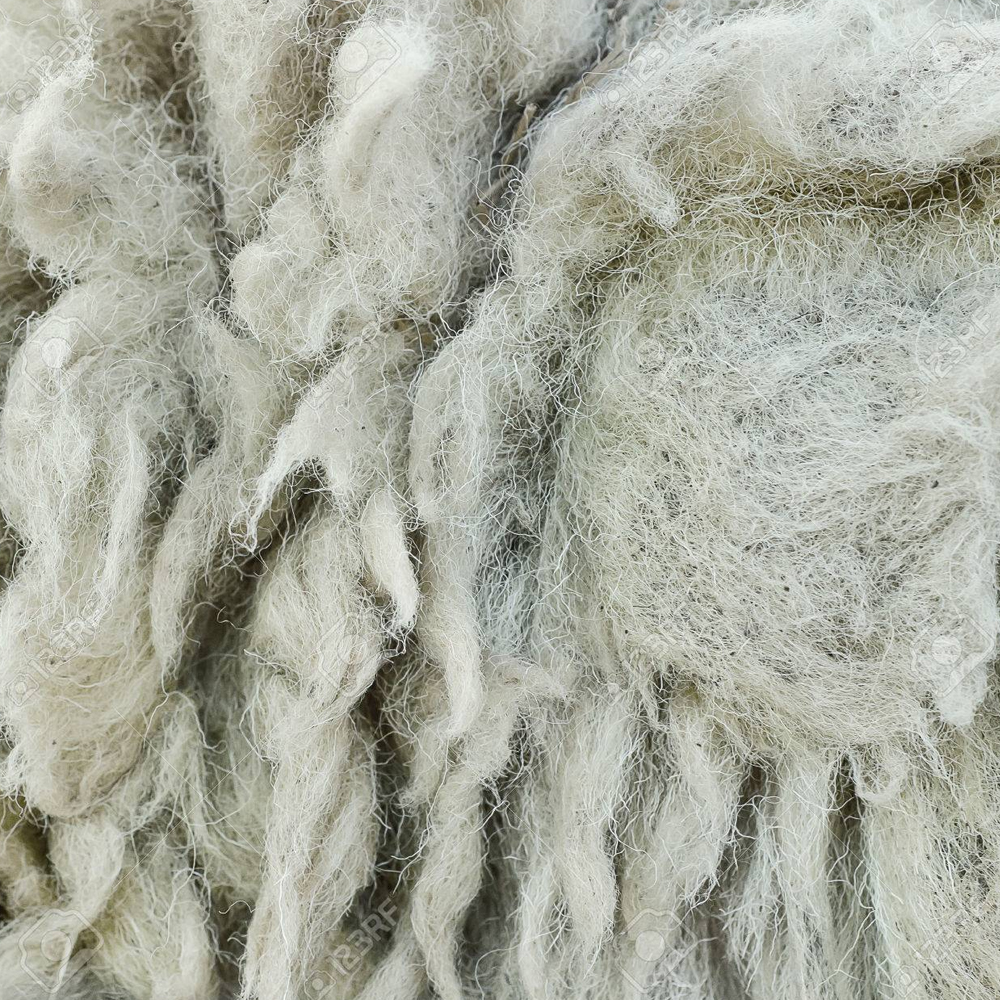
Wool: The Classic Textile Fiber
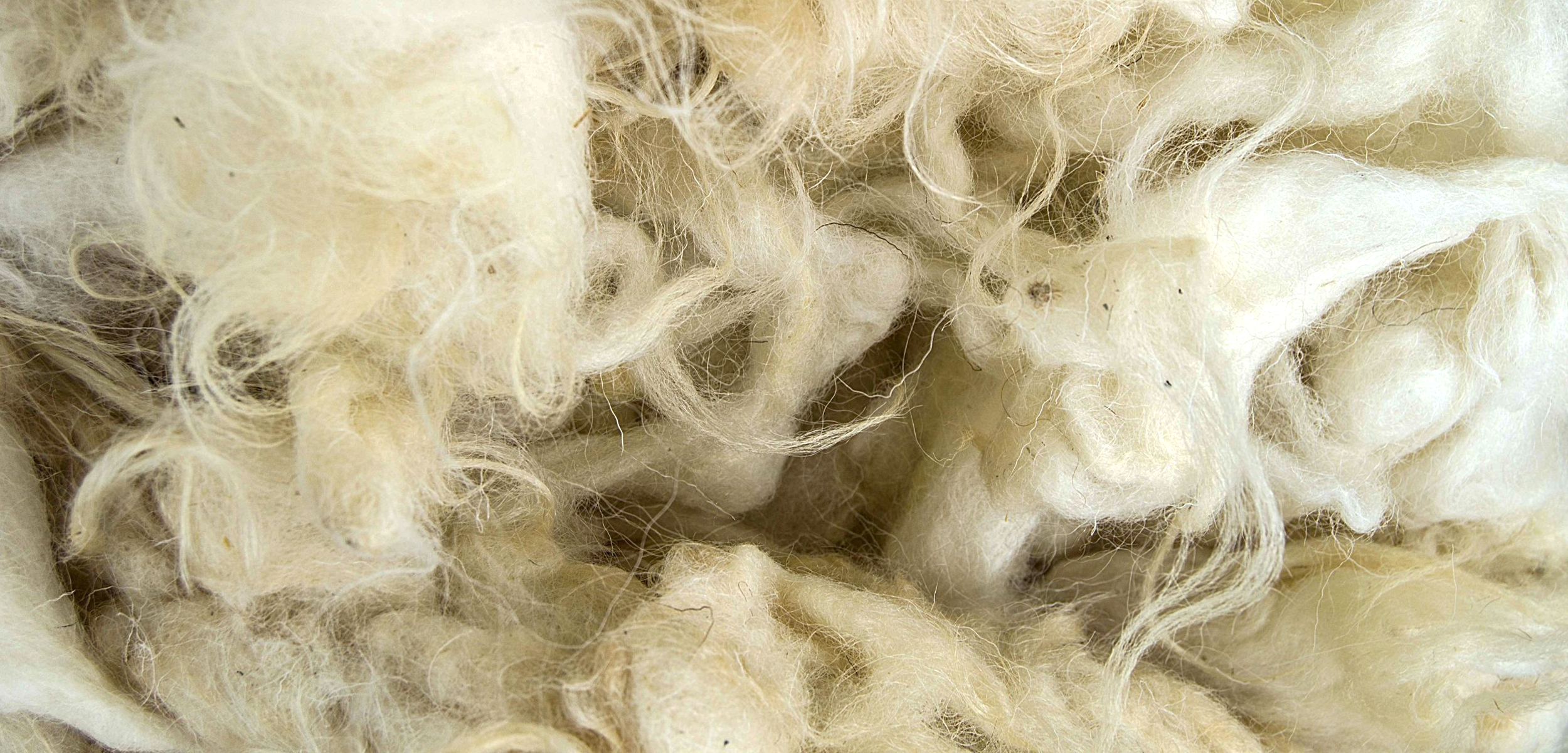
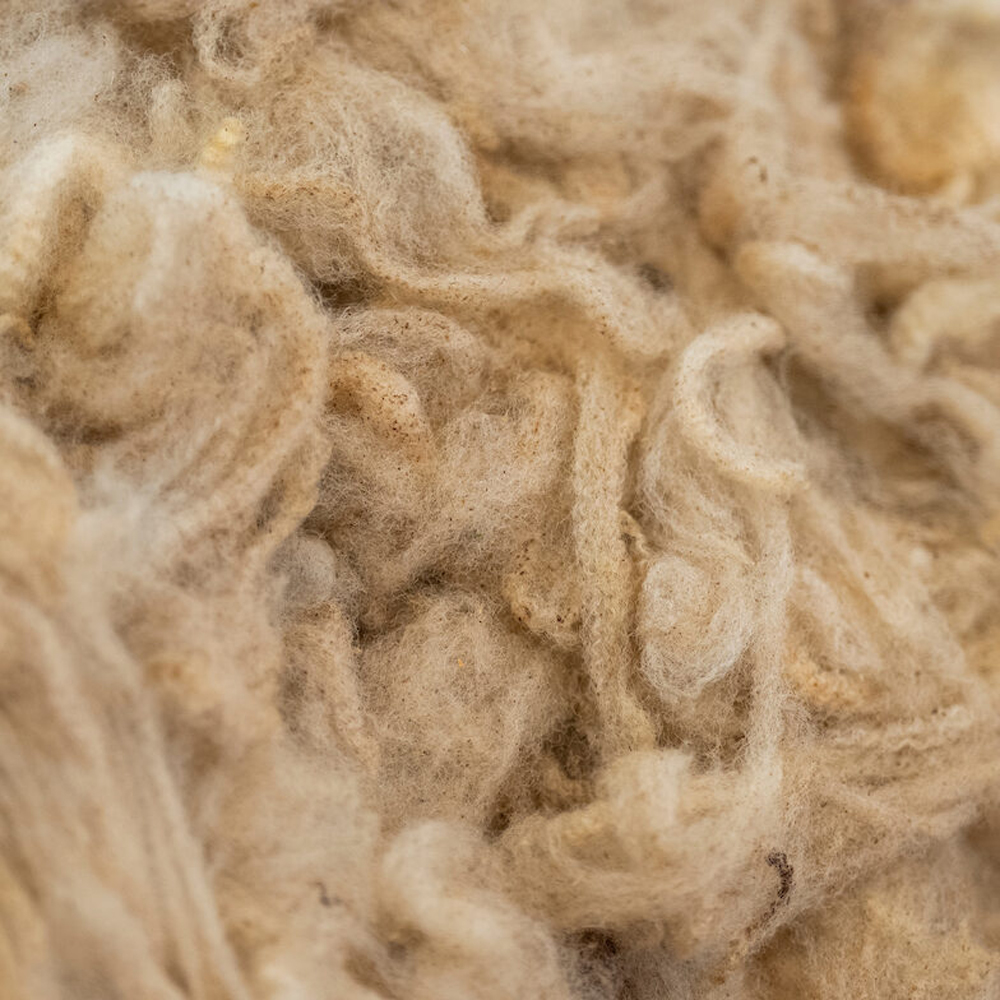
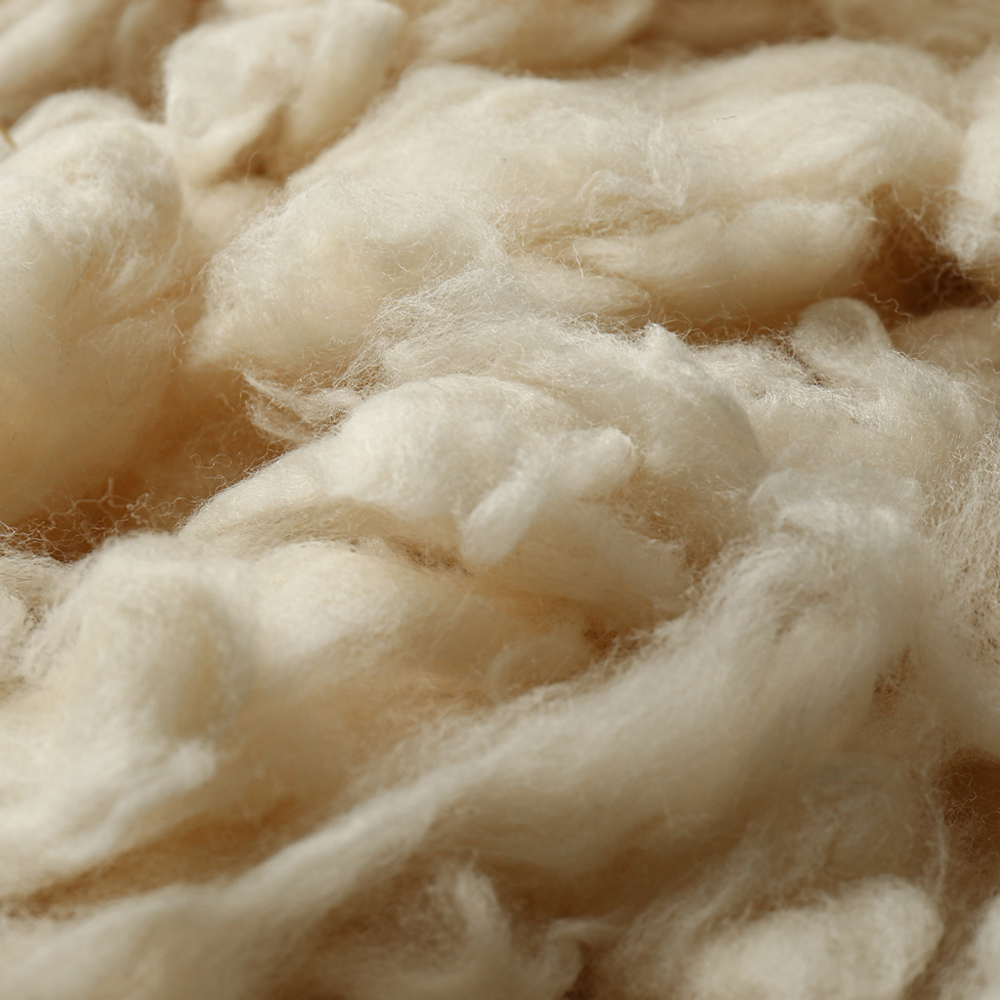
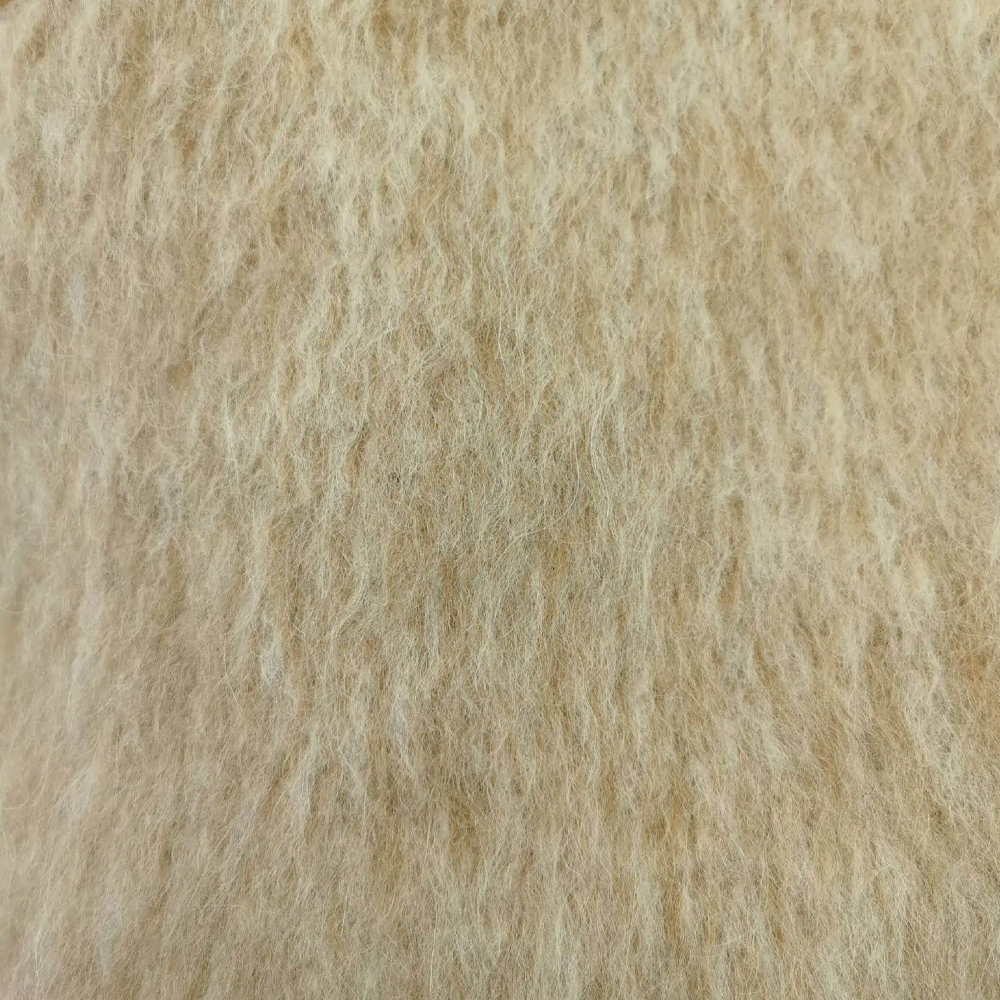
Wool is one of the oldest and most important animal-based textile fibers, comprising fine and soft strands that grow on the skin of animals like sheep and camels. The primary component of wool fibers is protein, making it unique among textile fibers.
Sheep’s Wool: The Most Widely Used Animal Fiber
Sheep’s wool is the most widely used animal fiber in the world, predominantly used in fabrics and carpets. The type and quality of wool largely depend on the sheep’s breed, climate, environmental conditions, and the season when the wool is sheared. The best wool comes from the Merino sheep, a breed known for its significant economic impact due to the superior and soft quality of its wool.
Properties of Wool Fibers
Moisture Absorption: Wool fibers can absorb up to 25% of their weight in moisture, making them excellent for retaining warmth and ideal for winter garments.
Durability: Wool fibers have limited tensile strength and lose up to 20% of their strength when wet. They are resistant to acids but have low resistance to alkalis. Wool is vulnerable to sodium hypochlorite (bleach), so hydrogen peroxide or similar agents are used for bleaching.
Cleaning and Maintenance: Wool garments should be washed at about 35°C, with minimal physical agitation to prevent shrinking and distortion due to the combination of warm water and friction. Wool is less stable than cotton in response to heat and sunlight.
Fiber Diameter: The quality of wool is primarily determined by its diameter. Thicker fibers are used for carpets and rugs, while finer fibers are used in clothing and textiles.
Types of Wool Fibers
Coarse and Brittle Wool: Known as “Kemp,” these fibers range from 100 to 250 microns and cannot be spun or woven but can be used to make thick yarns suitable for carpets.
Medium Fibers: These fibers, ranging from 50 to 100 microns, are called “Hair.” When combined with high-grade wool, they become softer and more suitable for weaving, often used in the carpet industry.
Fine Fibers: Considered the best quality wool, they are divided into:
Medium Grade Wool: Thickness between 30 and 60 microns.
High-Grade Wool: Less than 30 microns thick, with the finest being as thin as 6 microns.
Characteristics of Wool Fibers
Composition: Wool fibers are protein-based, made of keratin, and have acidic and basic properties similar to human hair.
Scales: The strength and elasticity of wool depend on the scales present. These scales, known as cuticles, protect the fibers from natural and external factors. The number and type of scales influence whether wool is curly or straight, with curly wool being more desirable due to its abundance of scales.
Texture and Appearance: The presence of scales contributes to the coarse feel and dullness of wool, as the scales prevent full light reflection. The jagged edges of new wool’s scales help fibers interlock, creating a fluffy appearance, which is why wool is used for thermal insulation.
Moisture Absorption: Wool can absorb 8-12% of its weight in dry air and up to 20-50% in humid conditions.
Chemical Composition of Wool
- Carbon: 50%
- Oxygen: 15%
- Hydrogen: 7%
- Sulfur: 3%
Classification of Wool
Wool is classified based on factors such as the age and gender of the animal, the type of wool, the method of preparation, the presence of scales, and the processes used for care and finishing. For example, whether the wool is from a yearling or older sheep, lamb or ram, dirty or washed, sheared or tanned, belly or limb wool, etc.
Wool Yield
Raw wool from sheep contains lanolin, giving it a greasy appearance. The wool is washed to remove grease, dirt, and vegetable matter, a process known as carbonization. Wool yield is the difference between the weight of greasy wool and clean wool, typically ranging from 45% to 70%. Fine animal wool generally yields less than medium or coarse wool.
Fiber Color
The whiteness of wool fibers is crucial for white and light-colored shades. To produce premium wool, farmers keep sheep indoors year-round to prevent contamination and color changes. Colored fibers, either from the sheep or from darker parts like the head, belly, or legs, limit wool’s applications and impact its price.
Fiber Length
Fiber length affects spinning speed, yarn count, and yarn quality. Short fibers are used in felting processes. Fiber lengths are categorized into:
Staple: Short fibers.
French Comb: Medium fibers.
Weaving Wool: Long fibers for fabric production.
Fiber Fineness
Sheep wool ranges from 16 to 40 microns in diameter and 35 to 350 millimeters in length. Wool is harvested annually through shearing, with fiber length depending on growth rate influenced by genetics and environment. Merino wool fibers are usually 50 to 125 millimeters long, with irregular crimp, and finer fibers grow slower but have more crimp. Coarse fibers (25-100 microns) are used in carpets, while fine Merino fibers (10-25 microns) are preferred for clothing due to their softness.
Water Absorption
Wool is a hydrophilic fiber capable of absorbing and releasing significant amounts of water. In textiles, the absorbed water is expressed as a percentage of the fiber’s dry weight.
Thermal Properties
Wool does not melt during dyeing and finishing but requires controlled temperatures when dyeing mixed fibers.
Tensile Properties
Wool’s tensile properties vary, but typically at 65% relative humidity and 208°C, stiffness ranges from 140 to 180 MPa, elongation is 30-40%, and the initial modulus is 3 to 3.9 GPa.
Grading of Wool
Wool fibers are graded based on fiber diameter, crimp, yield, color, length, and strength. Among these, fiber diameter is the most critical factor in wool valuation and pricing.
Classification of Sheep Breeds
Sheep breeds worldwide are categorized into five main groups based on wool characteristics:
Fine Wool Sheep
Characteristics: Known as range sheep, primarily bred for wool production. Originating from Spain, these breeds, including the Merino and its derivatives, are renowned for producing over 10 pounds (4 kilograms) of wool. They yield high grease and lanolin content, resulting in a 40-70% weight reduction post-washing.
Medium Wool Sheep
Characteristics: Originally from England, often classified as meat breeds. These sheep grow rapidly and are robust, with wool that is brighter and has a higher yield after washing compared to Merino.
Crossbred Wool Sheep
Characteristics: These sheep produce medium to long wool, with fiber fineness between that of fine and medium wool breeds. They offer higher wool yield than medium breeds, with fewer spinning wastes. Known for their bright and lustrous wool, they are ideal for socks, knitwear, wool fabrics, worsted textiles, and medium-fine felts. Breeds like Corriedale, Targhee, and Polwarth are dual-purpose, providing both wool and meat, and are adaptable to various farming conditions.
Long Wool Sheep
Characteristics: Primarily raised for meat, these are the largest sheep breeds. Wool fineness varies based on its shine, with semi-bright wool being less fine than medium wool. Long wool is used for producing heavy wool fabrics, coats, blankets, felts, braids, linings, glossy fabrics, and felts. Notable breeds include Romney, Lincoln, Leicester, and Border Leicester, mostly raised in England’s moist, cold, and lush environments.
Carpet Wool Sheep
Characteristics: These sheep produce wool ideal for carpets, referred to as carpet wool sheep. Wool fibers are 35 to 50 microns thick and up to 380 millimeters long. Unlike the fine wool needed for soft textiles, carpet wool is coarser and less suitable for delicate fabrics. Major producers include:
- Iran
- China
- Pakistan
- Afghanistan
- Turkey
- Romania
- Bulgaria
- Russia
- India
- Algeria
The wool from these breeds combines true wool fibers, heterotype, hair, and kemp, with diverse characteristics. Fiber diameter and length can reach up to 70 microns and 30 centimeters, respectively. Fiber curl and strength vary due to geography, climate, forage, breeding, and nutrition, influencing these hereditary traits. Carpet wool is used for heavy woolen fabrics, coats, rugs, and curtains, classified by curl type, color, and tanning status.
About ShivaElyaf
At ShivaElyaf, we leverage our extensive experience and global network in the textile industry to source the finest wool. We know the best farms and supply areas, allowing us to deliver wool that meets your quality requirements. Whether it’s understanding which farm produces the best wool or transforming wool to suit specific demands, we ensure you receive the highest quality fiber.