


MEG

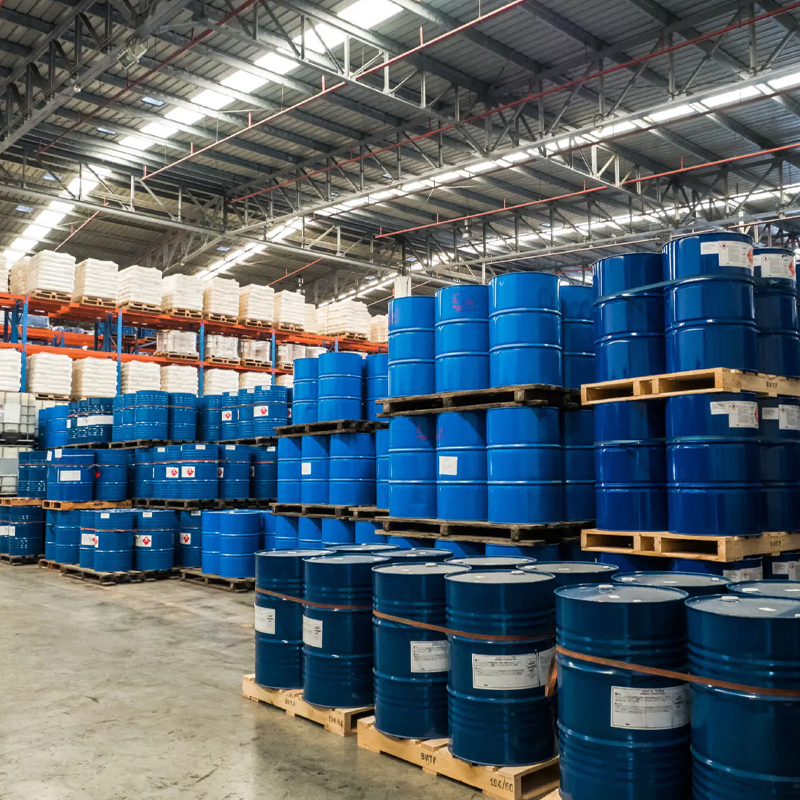
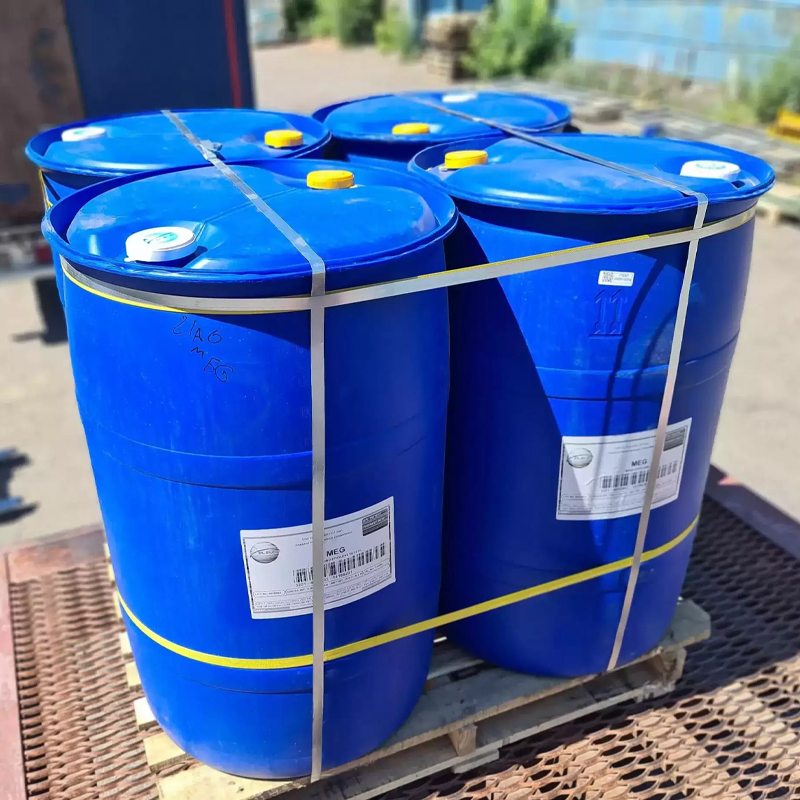
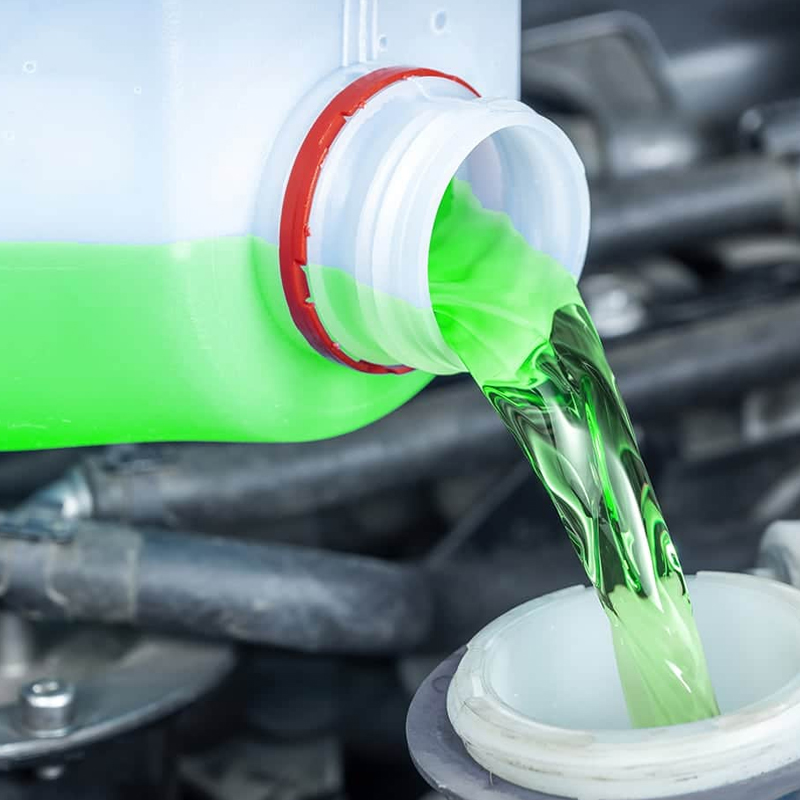
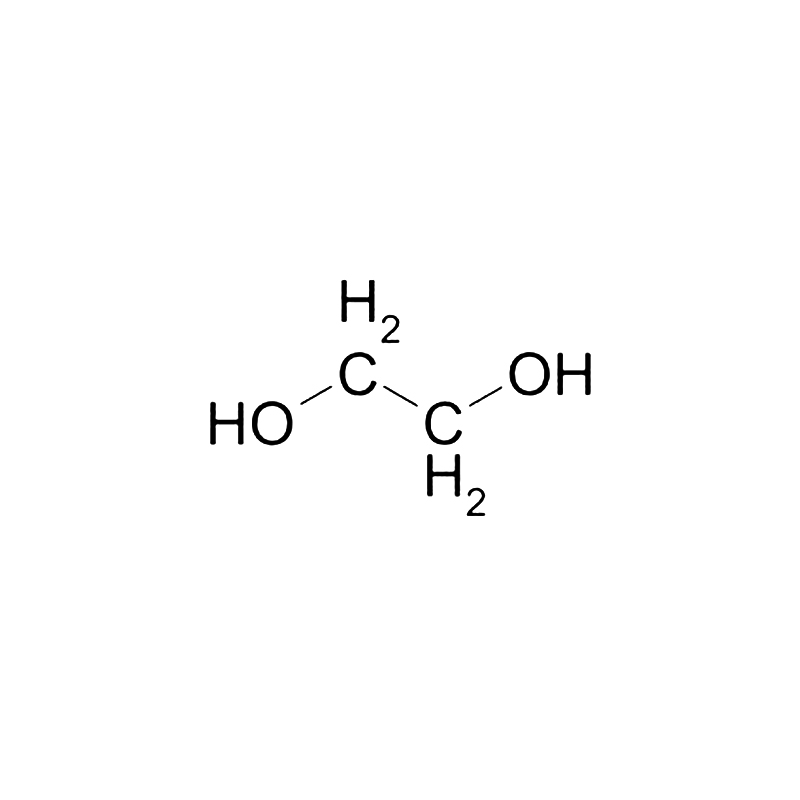
Monoethylene Glycol (MEG) is an organic compound that is a colorless, odorless, sweet-tasting, and toxic liquid in its pure form. MEG is commonly used as an intermediate in the production of polymers and as an antifreeze agent in vehicles. One important thing to note is that MEG does not mix with Ethylene Glycol or Polyethylene Glycol.
Applications of Monoethylene Glycol (MEG)
Antifreeze Production: MEG is used as a key ingredient in the production of antifreeze solutions for automobile radiators.
Hydraulic Fluids and Solvents: MEG is used in hydraulic fluids, printing inks, and paint solvents.
Polyester Manufacturing: MEG serves as a reagent in producing polyesters, explosives, alkyd resins, and synthetic waxes.
Natural Gas Processing: MEG is used in the natural gas industry to remove water vapor from natural gas before further processing, similar to the use of Triethylene Glycol (TEG).
Chemical Intermediates: MEG is employed for applications requiring chemical intermediates.
Resin Production: It is used in producing resins, solvent binders, freezing point depressants, solvents, wetting agents, and chemical intermediates.
Essential for Product Manufacturing: MEG plays a critical role in producing a wide range of products, including resins.
Adhesives and Latex Paints: It is used in the manufacture of water-based adhesives and various latex paints.
Asphalt Emulsions: MEG is used in asphalt emulsion applications.
Electrolytic Capacitors: MEG is used in the production of electrolytic capacitors.
Textile Fibers and Paper Industry: It is used in textile fibers and the paper industry.
Polyester Resins: MEG is used to produce various polyester resins, including fibers, containers, and films.
Resin Esters: It serves as a plasticizer in resin esters for adhesives, varnishes, and enamels.
Alkyd Resins: MEG is used in alkyd resins for synthetic rubbers, adhesives, and surface coatings.
Gel Prevention: MEG acts as a stabilizer against gel formation.
Cooling and Heating Fluids: It is used in de-icing fluids (aircraft, airport runways) and heat transfer fluids (gas compressors, heating, ventilation, air conditioning, process chillers).
Conductive Salt Suspension: MEG serves as an intermediate for conductive salt suspension in electrolytic capacitors.
MEG as a Polymer Precursor
In the plastics industry, MEG is an essential precursor for polyester fibers and resins. Polyethylene Terephthalate (PET), used in making plastic bottles for soft drinks, is derived from ethylene glycol.
Physical Properties of Monoethylene Glycol (MEG)
MEG is a colorless, odorless, transparent, and highly viscous liquid. Despite its sweet smell, it is toxic and hazardous. MEG is non-acidic and, due to its polarity, can dissolve in water and in equal proportions in glycol ethers, acetone, and aliphatic alcohols. However, it has limited solubility in toluene, chloroform, dichloromethane, and benzene.
Molecular Structure: MEG contains two carbons, six hydrogens, and two oxygens in its molecular structure, with a molar mass of 62.07 grams per mole.
Density and Viscosity: The density of this organic compound is 1.1132 grams per cubic centimeter, its viscosity is 0.00161 millipascal seconds, and its kinematic viscosity is 21 centipoises at 20°C.
Melting and Boiling Points: MEG melts at -13°C and boils at 198°C. If the temperature of MEG reaches 111°C and a flame is present, it ignites, but at 398°C, it self-ignites.
Safety and Handling of Monoethylene Glycol (MEG)
MEG is classified as a hazardous and highly toxic compound for human health. Avoid eye and skin contact, ingestion, and inhalation of this dangerous substance. In case of eye or skin contact, rinse the affected area with plenty of water. If ingested, immediately provide the person with plenty of water.
Skin Contact: If MEG comes into contact with the skin, it is absorbed and causes skin irritation and inflammation. To prevent these effects, wash the area for 5 minutes with water in case of contact.
Environmental Hazard: The main hazard of this chemical is its serious and dangerous threat to the environment. Due to its liquid nature, it easily penetrates the soil and contaminates groundwater.
Restrictions: Because of its high toxicity, the use of MEG is prohibited in (pharmaceutical formulation, food, cosmetics, and hygiene products), equipment related to water, antifreeze, water tanks, etc.
Eye Contact: In case of contact with eyes, swelling of the eyelids occurs, but these effects are not persistent. The best way to prevent this damage is to wash the eyes with warm water for 5 minutes. If these effects persist, see a doctor immediately.
Storage and Handling: MEG should not be exposed to high temperatures, as it burns at high temperatures and will explode if it reaches a temperature above its flash point.