


Polyester Fiber
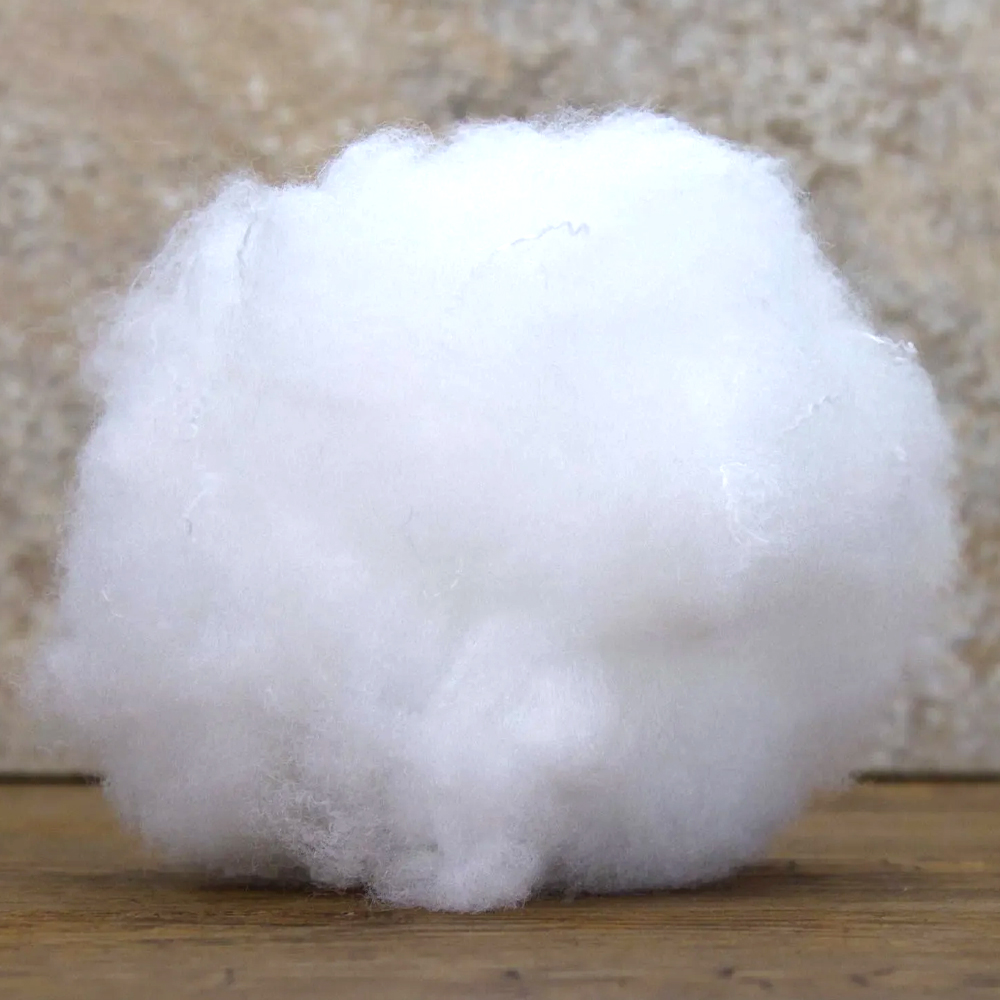
Polyester Fibers in the Textile Industry
Synthetic fibers are a vital component of the textile industry, created from polymers and chemical compounds. Among these fibers, polyester stands out due to its unique properties, cost-effectiveness, and recyclability. In 2019, polyester fibers accounted for over 50% of the total global demand for fibers, both natural and synthetic. Polyethylene terephthalate, commonly known as PET or polyester, is typically produced in three grades: fiber, bottle, and film. In 2019, fiber-grade polyester constituted 66% of the demand, bottle-grade 27%, and film-grade 7%, making fiber-grade polyester the most dominant.
Global Demand and Market Trends
According to IHS research, global polyester fiber demand is expected to grow at an annual rate of 4% until 2024. China, which currently accounts for over 60% of the world’s polyester fiber demand, will remain the central hub for production and consumption, as well as the largest exporter of these fibers.
Polyester’s main competitor is cotton, and factors influencing cotton supply and demand can impact polyester’s market share. For instance, in 2010 and 2011, rising cotton prices led to an increased demand for polyester fibers.
Raw Materials and Production
The primary raw materials for producing polyester fibers are purified terephthalic acid (PTA) and monoethylene glycol (MEG). The most significant market for polyester fibers is in textile nonwoven and geotextiles and yarn.
With over 900 polyester fiber production units, China controls 76% of global capacity and dominates the export market, accounting for about 67% of net exports. Other Asian countries hold the remaining market share, with Northeast Asia (excluding China) at 32% and other Asian countries at less than 2%. In contrast, North America and Europe are major importers of polyester fibers.
Polyester fibers are manufactured in two forms: recycled and virgin. The use of PET flakes from recycled bottles (such as water and soda bottles) is common for producing recycled fibers.
Types of Polyester Fibers
Polyester fibers come in various types, each serving specific purposes:
Cotton-type Polyester Fibers (Cotton-like):
These fibers, primarily made from virgin materials, boast high strength and lower fineness compared to other fibers. They are widely used in the yarn-spinning industry alongside cotton or viscose in open-end or ring-spinning methods to produce blended yarns.
Micro siliconized Fibers:
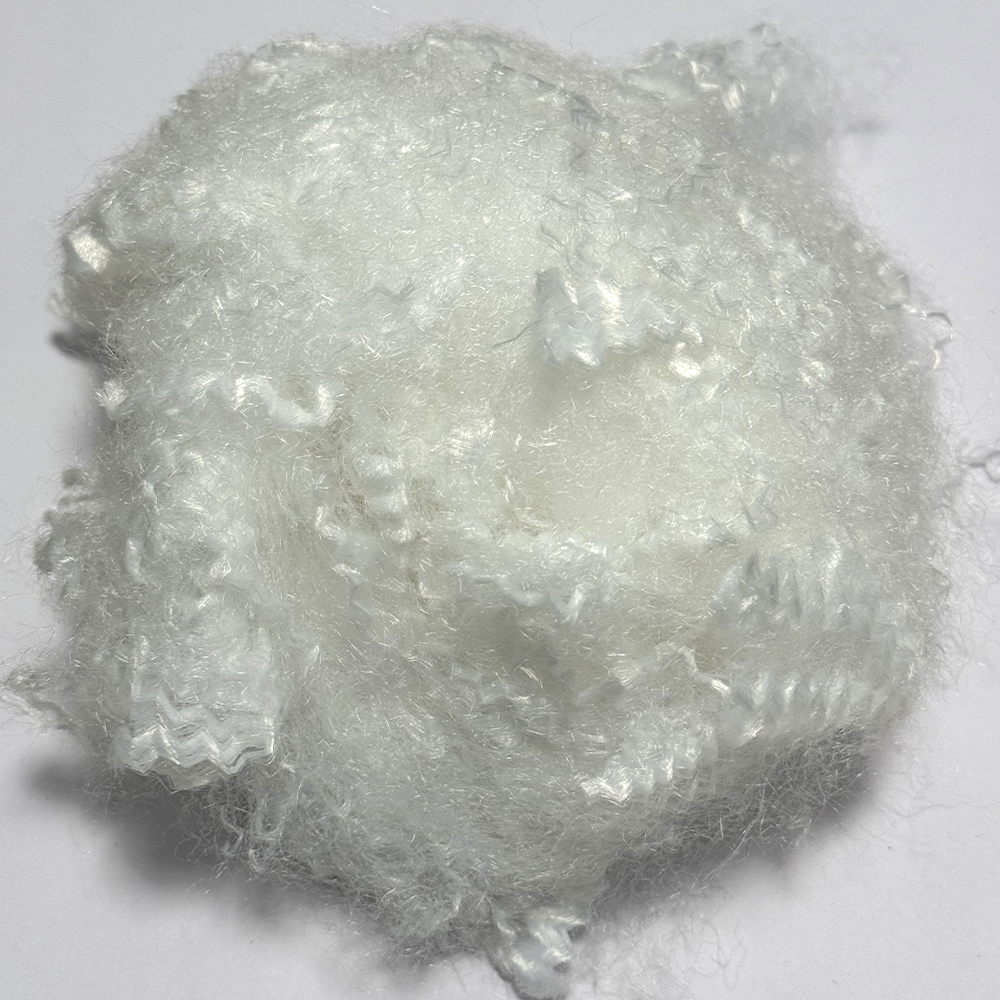
Typically produced at lower fineness levels of around 1.4 deniers and made from recycled materials. The addition of silicone gives these fibers a unique softness, making them ideal for filling pillows and bedding products.
Hollow Fibers:
Hollow polyester fibers are available in both recycled and virgin forms and have a hollow cross-section, hence the name. These fibers have more curls and waves than others (Conjugation), providing excellent resilience and bulkiness. They are mainly used in filling bedding products and producing thick non-woven layers. These fibers come in both silicone-coated and non-silicone options.
Solid Fibers:
Unlike hollow fibers, solid fibers have a solid cross-section and feature two-dimensional crimps. They are used in applications such as thermobonding and needle-punching.
Low melt or Bicomponent Fibers:
Composed of two components: one polyester with a high melting point and another with a melting point between 110 to 120 degrees Celsius. These fibers are used in various non-woven technologies for bonding and web formation.
Properties of Polyester Fibers
Polyester fibers have smooth surfaces and are typically round and uniform. They can be engineered into high-strength yarns (HT) with low elongation (85 cN/Tex and 7%) or low-strength yarns with high elongation (26 cN/Tex and 40%). The notable characteristics of polyester fibers include:
Wrinkle Resistance: Polyester fibers have excellent wrinkle resistance.
Moisture Absorption: They have a low moisture regain of 0.4% and weak wicking properties.
Density: The specific gravity of polyester varies between 1.2 and 1.38, depending on the type.
Melting Point: Polyester melts between 250 to 300 degrees Celsius. It shrinks and melts in flames, leaving a hard residue.
Mechanical Properties: The tensile strength and modulus of polyester fibers depend on their draw ratio. Increased molecular alignment enhances tensile strength and modulus.
Oxidation Resistance: These fibers exhibit good resistance to oxidative agents.
Thermal Stability: Heat-setting can further improve polyester’s shape and wrinkle resistance.
Chemical Bonds and Polymerization: Cross-linking and polymerization in polyester fibers are achievable through exothermic reactions.
Fineness: Typically measured in denier, which represents the weight in grams of 9 kilometers of fiber. For example, a 7-denier hollow fiber means 9 kilometers of the fiber weighs about 7 grams.
Fiber Length: Polyester fibers can be cut to the desired length, usually ranging from 32 to 120 millimeters, with 38 and 64 millimeters being the most popular.
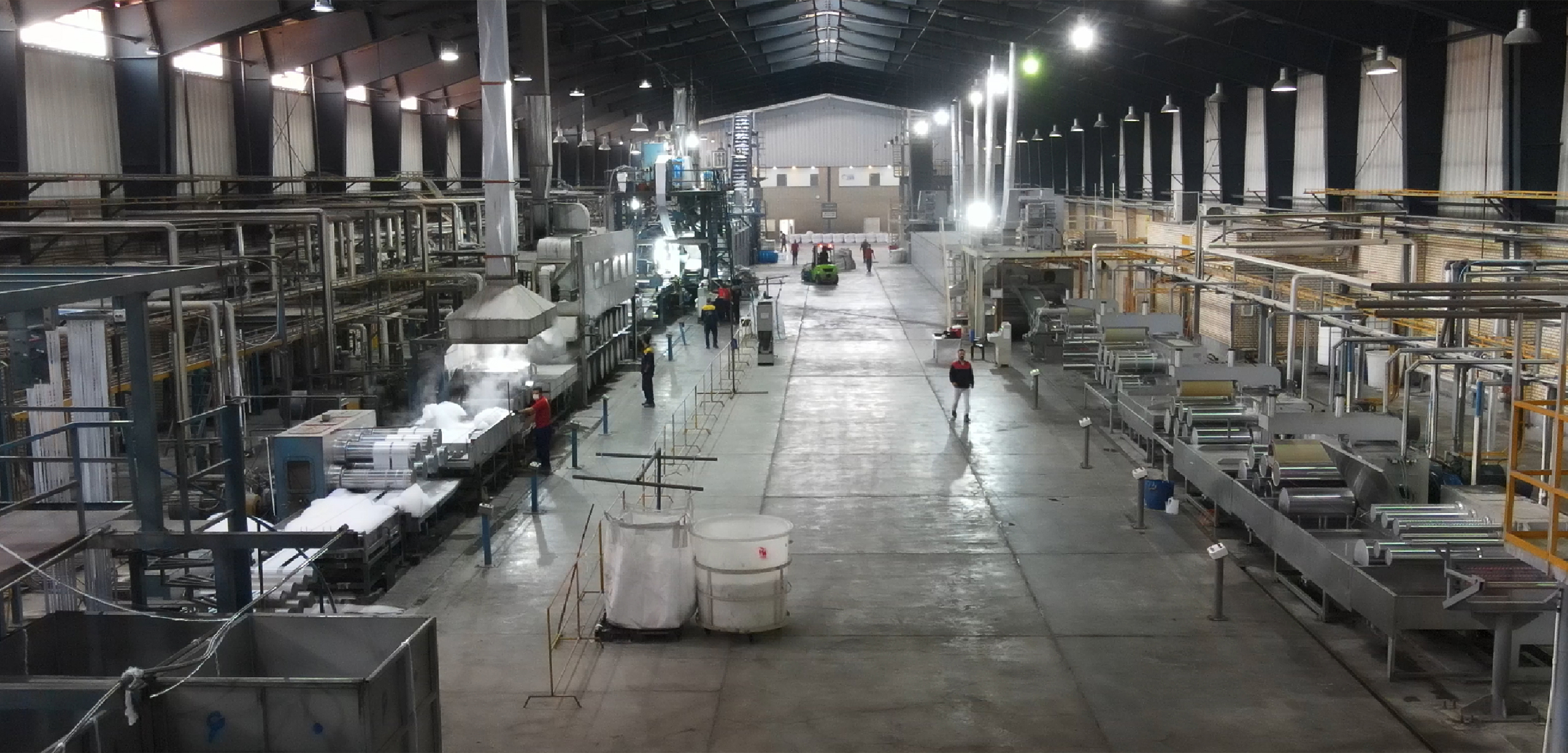
ShivaElyaf, possessing one of the largest polyester fiber production facilities in the Middle East, manufactures and supplies all the aforementioned fibers with the highest quality standards.