


ABS
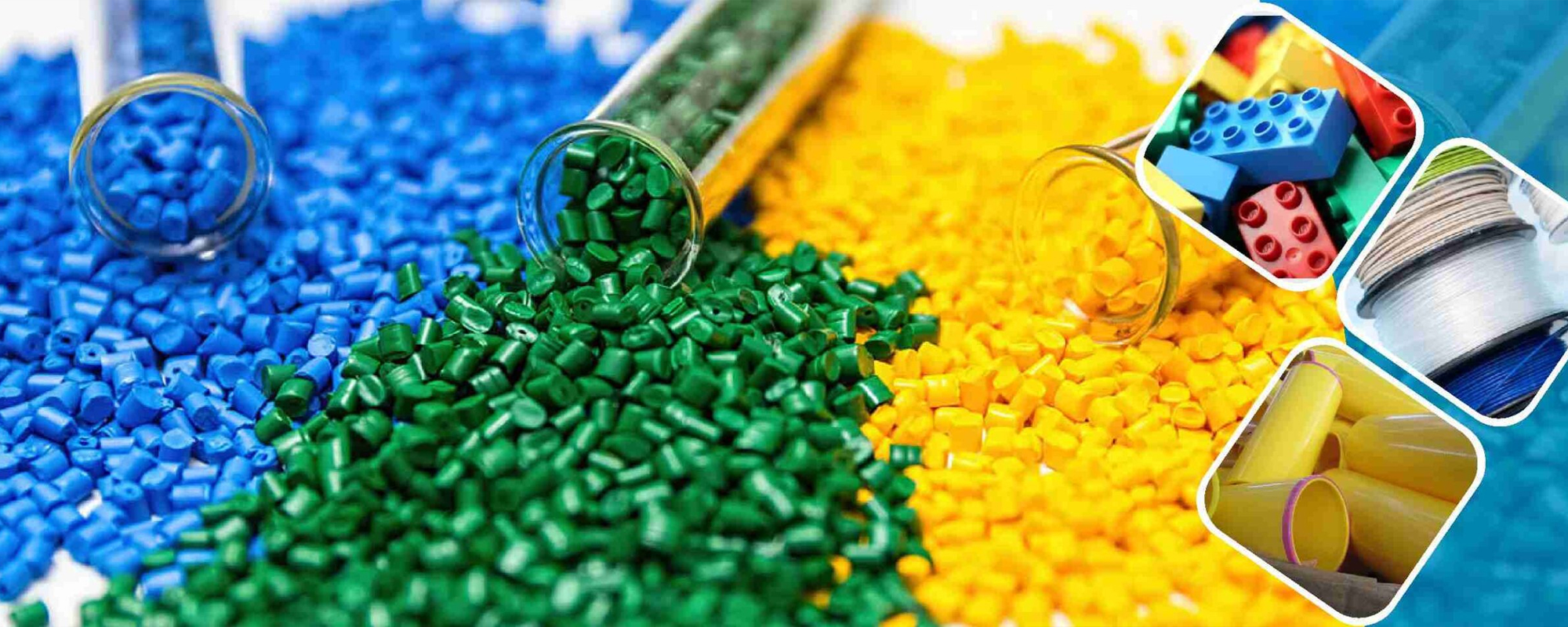
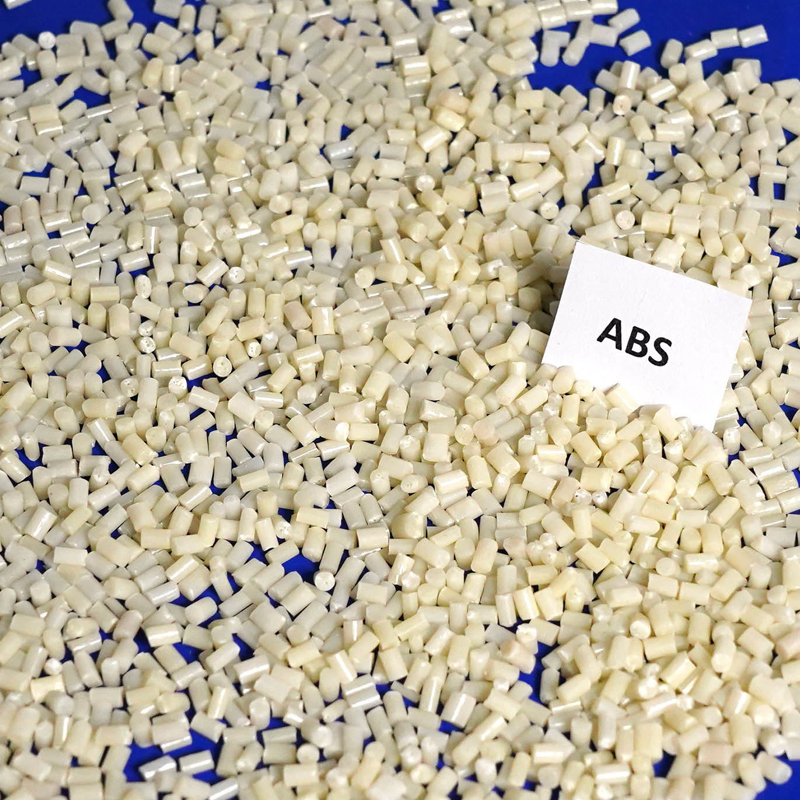
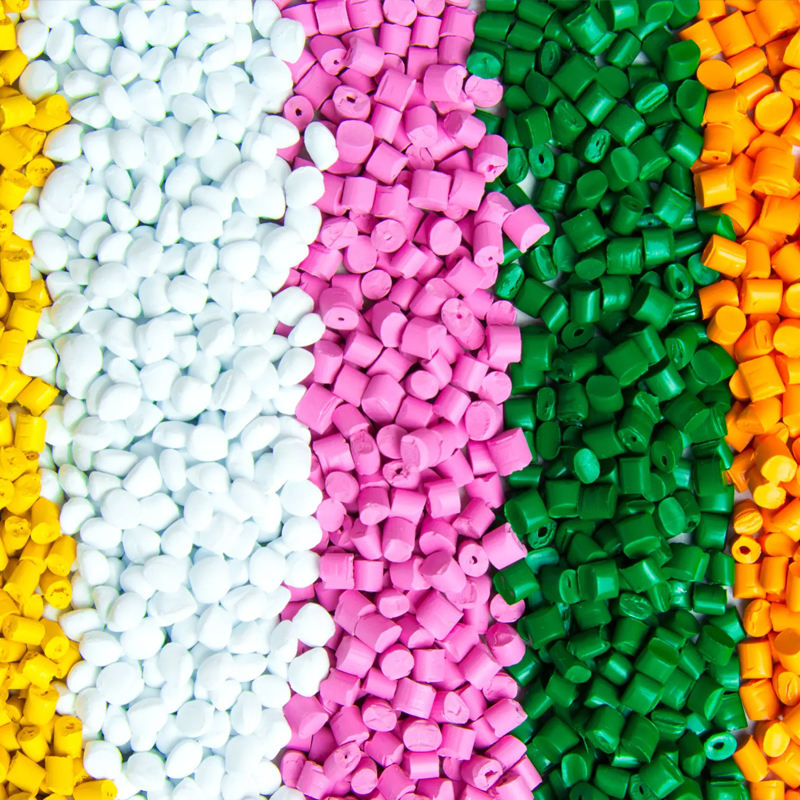


Acrylonitrile Butadiene Styrene (ABS) is a cost-effective engineering thermoplastic known for its amorphous structure and balanced mechanical, thermal, and chemical properties. This versatility makes it highly suitable for a wide range of applications.
Types of ABS and its Monomers
ABS is generally categorized into two types based on color and standard use: black and natural (milky). Both are commonly used in food packaging. ABS is a copolymer composed of three primary monomers:
Acrylonitrile: Enhances heat and chemical resistance.
Butadiene: Provides strength and toughness.
Styrene: Improves processability and surface gloss.
These three monomers can be polymerized in various ways, such as addition copolymerization or physical blending, resulting in ABS materials with a broad range of properties tailored for specific applications.
Production Methods of ABS Plastics
Method 1: Blending
ABS can be produced by blending polystyrene, acrylonitrile, and styrene-butadiene rubber. In this method, styrene-butadiene rubber is added to polystyrene to improve impact resistance, and acrylonitrile is added for stiffness before polymerization. This results in an ABS material that is flexible under pressure yet maintains enough rigidity to preserve its shape.
Method 2: Emulsion Polymerization
In this method, styrene and acrylonitrile are gradually added to polybutadiene and heated to 50°C. A water-soluble initiator is added to start the polymerization process. This results in polybutadiene that is bonded with acrylonitrile and styrene, as well as acrylonitrile-styrene copolymer.
Properties, Alloys, and Applications of ABS
Key Properties of ABS
Good Impact Resistance: ABS can withstand significant impact without cracking or breaking.
Excellent Machinability: Easily processed with standard machining techniques.
Low Cost: An affordable option for many industries.
Dimensional Stability: Maintains its shape and size over time.
High Rigidity: Provides structural strength and support.
Thermoformability: Can be easily shaped when heated.
Limitations of ABS
Opaque and Matte Finish: Limited transparency and surface gloss.
Flammability: Requires treatment to improve fire resistance.
Color and Property Degradation: Susceptible to UV light exposure.
High Moisture Absorption: Affects performance in humid environments.
Varied Flow Properties: Different ABS grades can have significantly different flow properties.
Alloys and Modifications
To overcome some of ABS’s limitations, it can be alloyed with other materials:
ABS/PVC Alloy: Adding PVC in an 80/20 ratio results in flame-retardant ABS with enhanced impact resistance.
ABS/PMMA Alloy: Combining ABS with polymethyl methacrylate (PMMA) results in transparent ABS suitable for applications requiring clarity.
ABS can be easily plated. The process involves etching the ABS surface with acid to dissolve some surface rubber, followed by metal deposition. Plated ABS is used in applications requiring reflective surfaces, such as nameplates.
Common Applications
ABS is a preferred material for manufacturing:
Prototype Models: Used in rapid prototyping due to its machinability and ease of bonding.
Enclosures and Casings: Ideal for electronic housings and protective covers.
Automotive Components: Utilized in dashboards, door panels, interior trims, seat components, wheel covers, and bumpers.
Machine Parts and Rollers: Suitable for various mechanical parts.
Plastic Welding: Effective as both a filler material and a weldable plastic in joining processes.
ABS is processed using multiple methods, including injection molding, blow molding, extrusion, and vacuum forming, enabling the production of various components. It is also widely used in the automotive industry, where its strength, light weight, and UV resistance make it an excellent substitute for metal parts.
Global Production and Market Trends
Increasing Demand for ABS
The global production capacity for ABS is rising due to its extensive use in strategic industries. There is a growing demand for ABS in automotive, household appliances, electronics, construction, and 3D printing, where its metal-like properties, high colorability, and unique features like strength, impact resistance, and chemical and thermal stability are highly valued.
Automotive Industry
In the automotive sector, ABS is used to reduce vehicle weight and improve fuel efficiency, with ABS accounting for approximately 13% of the plastic used per vehicle. Its high chemical resistance, UV protection, and long-lasting properties make it ideal for various automotive applications.
Household Appliances and Consumer Goods
The growing global population is driving demand for household appliances such as refrigerators, vacuum cleaners, microwaves, razors, and food processors, further boosting the ABS market.
Electronics and Construction
In electronics, ABS is used for items like telephone handsets, kitchenware handles, luggage, computer cases, and appliance covers due to its easy installation and resistance to corrosion. In construction, it is favored for water transmission systems and building components due to its durability and lightweight nature.
3D Printing
The 3D printing industry in the US is rapidly expanding, creating significant demand for ABS, which is a preferred material for its ease of use and excellent results. Major petrochemical companies are increasing their production capacity to meet the high demand for ABS in this sector.
Global Market Leaders
Asia, led by China, dominates the ABS market, accounting for over 30% of global revenue. This is due to significant government investments, increased production capacity, and growing regional demand. China’s large automotive, household appliance, construction, and toy industries make it the largest consumer of ABS worldwide. Similarly, countries like South Korea and Japan have seen significant growth in ABS demand due to increased automotive production.
In the US, the use of ABS is on the rise, fueled by the growth of the automotive, appliance, electrical, and 3D printing industries. With the expansion of the 3D printing industry, companies like BigRep have allocated substantial capacity to produce ABS specifically for this purpose.
Given the rising demand for ABS, American petrochemical companies are continuously developing new production units. It is predicted that the US ABS market will double in value, exceeding $5 billion by 2030.
Innovations and Market Projections
The commercial success of ABS has led to the development of other alloys, such as MBS, which offers higher transparency and improved UV resistance compared to ABS, albeit with lower tensile strength and flexural temperature.
Due to these ongoing innovations and increasing demand, the ABS market is expected to grow significantly. The market value, estimated at $25 billion in 2020, is projected to reach $47 billion by 2027, driven by advances in technology and expanding applications in various industries.
In conclusion, ABS continues to be a crucial material in strategic industries due to its unique properties and versatility. Its ongoing development and increasing demand are poised to make it a significant contributor to technological advancements across various sectors.