

Global Energy Sector Outlook: Trends Shaping 2024 and Beyond
July 31 2024
The Middle East’s Economic Landscape: Beyond Oil Dominance
August 13 2024The Evolution and Future of the Textile Industry: From Ancient Weaving to Digital Automation
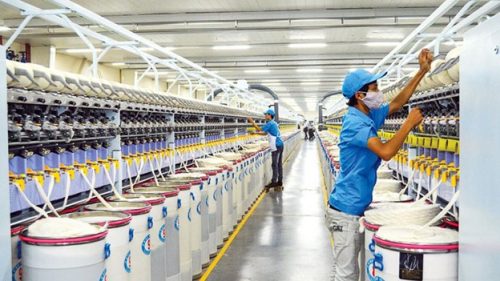
The textile industry is a vast and intricate field that encompasses every stage of fiber production, yarn creation, fabric weaving, and final processes like dyeing, printing, and sewing. Although it initially focused solely on yarn production, it has since evolved to include a wide range of garments and textiles.
A Historical Perspective
The textile industry is one of humanity’s oldest, given that clothing ranks just behind food and shelter in terms of basic human needs. Evidence of weaving and textile production dates back to the Paleolithic era, with primitive traces found in Moravia and more definitive signs in Neolithic Switzerland. Approximately 5,000 years BCE, inhabitants of the Iranian plateau moved to plains due to climatic changes, beginning a new phase of civilization. Early signs of textile production were found near Kashan, where stone and clay spindles suggest a familiarity with weaving.
One of the finest fabrics ever woven by humans is the “Dacca Muslin,” a delicate textile from Bangladesh made from tree cotton until the 18th century. This fabric was so finely woven that its thread count exceeded modern fabrics by over tenfold, requiring special skills and tools. The price of Dacca Muslin could reach more than twenty times that of silk.

The Global Textile Market
As of 2019, the global textile market was valued at approximately $961.5 billion. With rising demand for clothing, particularly in developing countries like China, India, Mexico, and Bangladesh, the market is expected to grow by 4.3% annually, potentially reaching $1,350.24 billion by 2027.
Cotton: The Cornerstone of Textile Production
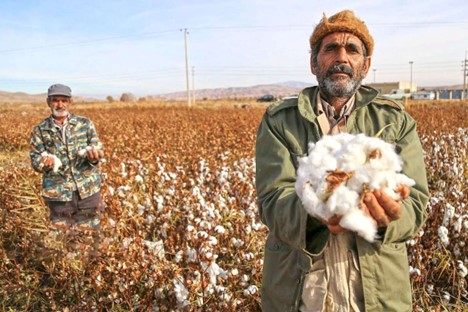
Cotton remains the most important natural fiber globally. In 2007, the global cotton harvest amounted to 25 million tons from 35 million hectares across more than fifty countries. Cotton production involves five key stages: cultivation and harvesting, preparation processes, spinning (yarn production), weaving (fabric production), and finishing processes like sewing, dyeing, and printing.
Natural and Synthetic Fibers
Natural fibers can be derived from animals (e.g., sheep, goats, rabbits, silkworms), plants (e.g., cotton, flax, hemp, sisal), or minerals (e.g., asbestos). Plant fibers can come from seeds (e.g., cotton), stems (e.g., flax, hemp, jute), or leaves (e.g., sisal). These fibers must undergo thorough cleaning before use.
Synthetic fibers, on the other hand, are produced through polymer spinning in various environments. Wet spinning (e.g., rayon) involves a setting medium, while dry spinning (e.g., acetate) dissolves the polymer in a solvent, which is then evaporated. Melt spinning (e.g., nylon, polyester) solidifies the polymer in air or gas. These fibers often have longer lengths compared to natural fibers.
Biotechnology in Textile Engineering
The application of biotechnology in textile engineering began around 100 years ago with the use of amylase enzymes from malt to remove starch-based sizes. Today, biotechnology offers cost-effective solutions across all textile production stages, from fiber materials to wastewater treatment. These advancements not only reduce costs but also minimize environmental harm by replacing harmful chemicals with environmentally friendly alternatives.
Modern applications of biotechnology include the use of enzymes such as amylases for desizing, cellulases for bio-finishing and stonewashing, proteases for wool and silk processing, and enzymes in detergents. Researchers are exploring further biotechnological applications to enhance the industry’s sustainability.
Textile Standards
Textile products, like any other, must adhere to national and international standards to ensure quality, safety, and sustainability. Key standards include:
- CPSIA: e.g., Flammability standards for clothing.
- OEKO-TEX: Global standards for textile quality and health.
- ASTM: Textile standards.
- REACH: Textile regulations.
- National Textile Standards of China.
The Future of Textile Production: Insights from ITMA 2023
The 2023 International Textile Machinery Exhibition (ITMA) highlighted the industry’s continuous push for innovation and sustainability. With over 111,000 visitors from 143 countries, ITMA 2023 showcased advanced materials, automation, digital process integration, and innovative technologies.
Digital Automation and Connected Networks:
Digital automation and connected networks are increasingly driving the transformation of the textile industry. From product design to customer delivery, digital processes streamline operations, enhance efficiency, and reduce costs. AI-powered design platforms like Aid Lab are merging AI with design to deliver commercialized products.
Sustainability:
Sustainability was a central theme at ITMA 2023, reflecting growing consumer demand for eco-friendly products. Companies are increasingly focused on reducing their carbon footprint and adopting sustainable practices. Innovations like the TexCoat G4 system from Baldwin Technology, which reduces water, energy, and chemical consumption by up to 50%, are paving the way for a greener future in textiles.
Recycling and Pollution Control:
The dyeing and finishing sector, responsible for significant environmental impacts, was scrutinized at ITMA 2023. Companies presented technologies that minimize water usage, enhance efficiency, and reduce chemical consumption. For example, ColorJet introduced high-speed printing technologies that drastically reduce water consumption.
Natural Dyes:
Natural dyes made from roots, leaves, and plant waste gained popularity at ITMA 2023. However, challenges remain, such as the lack of global laboratories specializing in testing these natural dyes. Despite these hurdles, the potential for natural dyes to revolutionize textile production is increasingly recognized.
The Role of Recycling:
Sustainability extends beyond production processes. ITMA 2023 also focused on recycling and cleaning capabilities, showcasing machines that enable efficient textile recycling, reduce waste, and promote circularity in the industry.
Cross-Industry Collaboration for Sustainability:
ITMA 2023 emphasized the importance of cross-industry collaboration to achieve sustainability goals. Aligning with international efforts to protect nature, such as those announced at COP15, the textile industry’s activities aim to protect 30% of nature by 2030. Collaborating with stakeholders from various sectors, including fashion, technology, and sustainability, is essential to drive progress and secure a greener future for the industry.
Conclusion
The textile industry, rooted in ancient traditions, is undergoing a transformation driven by digitalization, automation, and a commitment to sustainability. As the industry continues to evolve, it will play a critical role in meeting global demands while reducing environmental impacts, ensuring a sustainable and innovative future.