The Middle East’s Economic Landscape: Beyond Oil Dominance
The Middle East has long been recognized for its critical role in the global energy market, particularly in oil production. However, the region’s economy is more diverse and complex than often perceived. From metals and chemicals to agriculture and emerging industries, Middle Eastern countries are actively pursuing economic diversification to reduce their reliance on fossil fuels. This article explores the various facets of the Middle East’s economy, the shifts in energy and commodity markets, and the challenges faced by market participants.
The Economic Powerhouse of Oil and Beyond
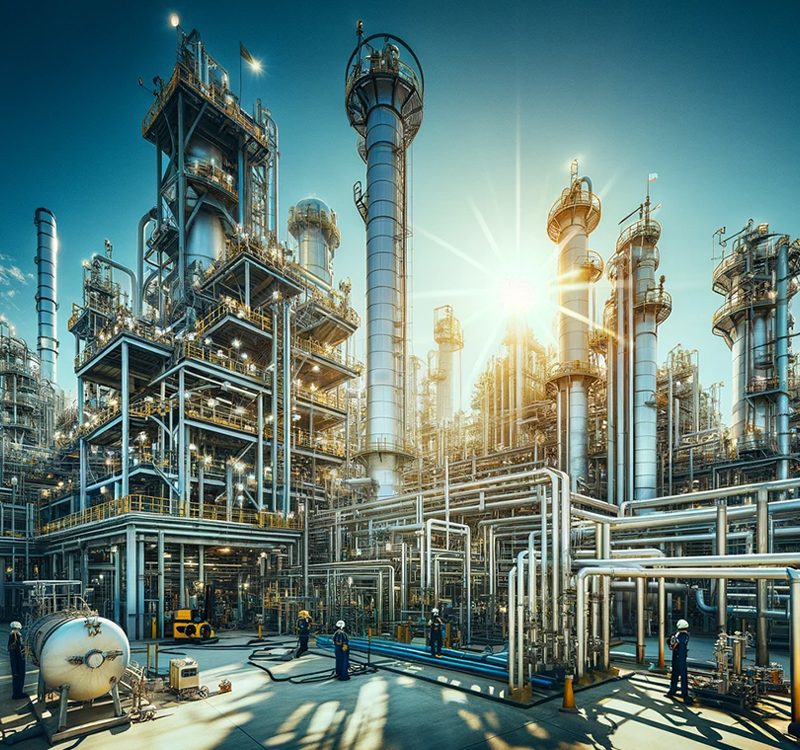
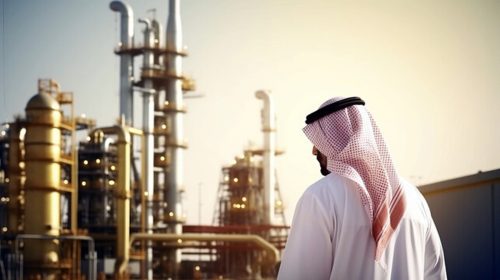
In 2021, the Middle East’s total exports reached $1.27 trillion, positioning the region ahead of Africa and South America but behind Asia, Europe, and North America. Despite efforts to diversify, fossil fuels still dominate exports, accounting for a significant portion of the region’s economic output. The Middle East produces over 30 million barrels of oil per day, contributing to one-third of global oil production. Countries like Saudi Arabia and the UAE have a direct impact on global oil markets and play a pivotal role in determining oil prices.
However, the region’s economic landscape is not solely defined by hydrocarbons. Türkiye, for example, showcases a more diversified economy, with cars as its top export and significant contributions from minerals, machinery, and textiles. Iran, leveraging its oil and natural gas reserves, has become a notable producer of plastics, with these products making up a quarter of its exports.
Shifts in the Energy and Commodity Markets
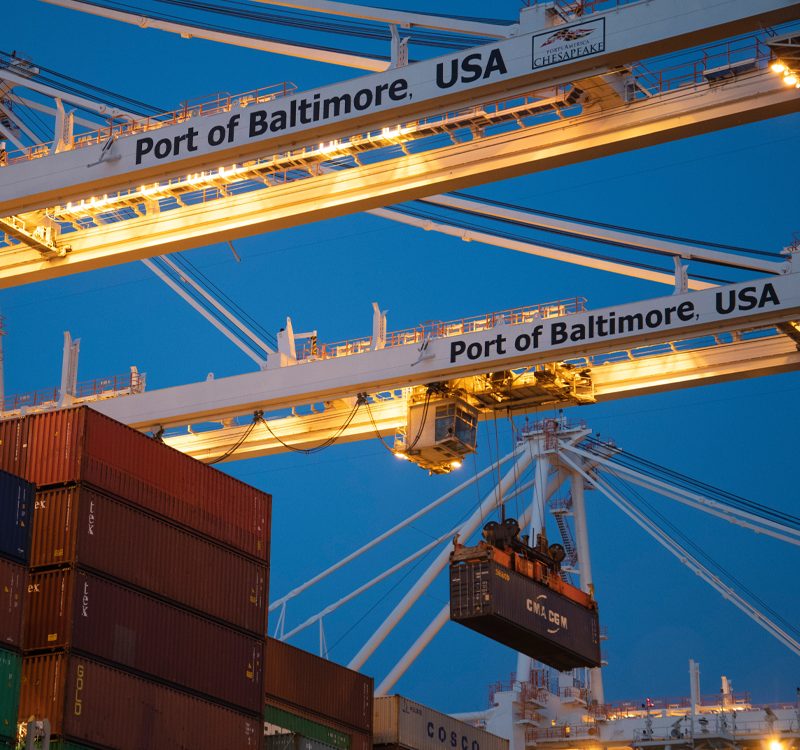
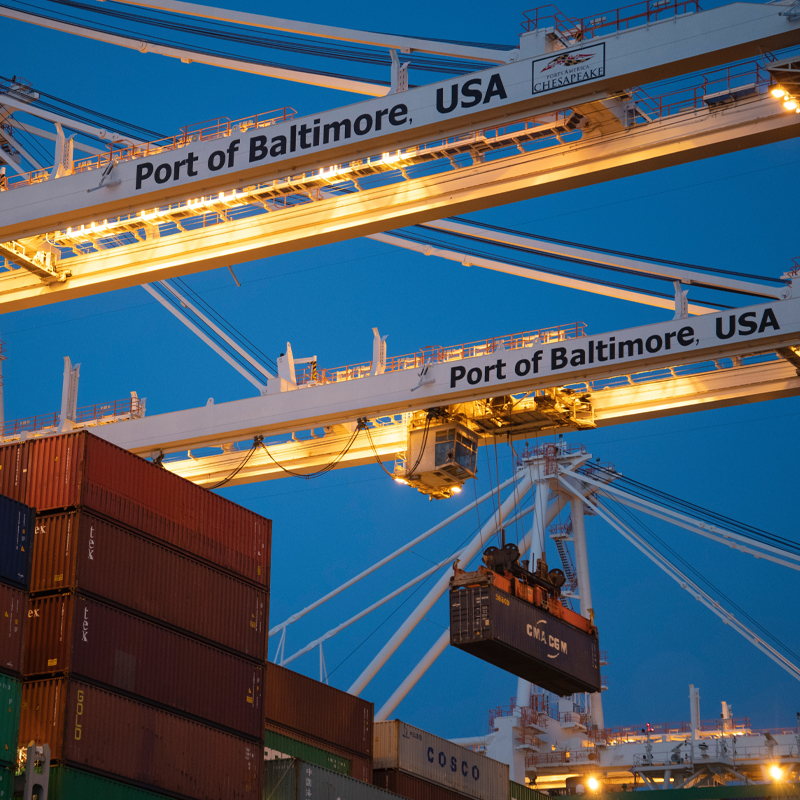
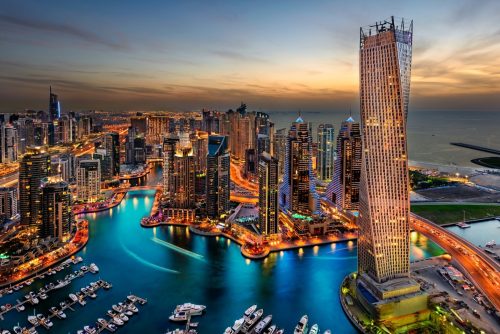
The Middle East’s energy and commodity markets are experiencing two significant shifts: the redirection of trade flows and changes in financing dynamics. The UAE, particularly through the Dubai Multi Commodities Centre (DMCC), has emerged as a critical player in global commodity trade, benefiting from its strategic location between Asia, Europe, and Africa. The UAE’s stable political environment, attractive business incentives, and robust infrastructure further enhance its role as a global trading hub.
Saudi Arabia and other GCC countries are also poised to benefit from these evolving trade dynamics. Their strategic locations and investments in renewable energy, infrastructure development, and the establishment of commodities trading centers position them as key players in regional and global trade.
In financing, the landscape has seen a shift away from traditional European banks, which have reduced their involvement due to stricter regulations and changes in risk appetite. This void has been filled by private investors, foreign banks, private equities, and regional financial institutions. The introduction of technology-driven solutions, such as digitalization and automation, has further revolutionized trade finance practices, improving efficiency and transparency in commodity transactions.
Challenges and Opportunities for Market Participants
As the Middle East continues to diversify its economy and adapt to new market realities, businesses face several challenges:
Adapting to New Trade Dynamics: With shifting trade patterns, companies must stay agile, exploring new markets and adjusting supply chains to meet the demands of emerging markets.
Access to Trade Finance: The reduction in European bank financing has made it crucial for businesses to secure alternative funding sources, such as partnerships with regional financial institutions or private investors.
Risk Management: Evolving trade dynamics bring new risks, including price fluctuations, geopolitical uncertainties, and changing regulations. Effective risk management strategies are essential for mitigating these risks.
Regulatory Compliance: Engaging in cross-border trade requires navigating complex regulatory and compliance standards. Businesses must invest in robust compliance frameworks to avoid delays and potential penalties.
The Path Forward: Economic Diversification and Sustainability
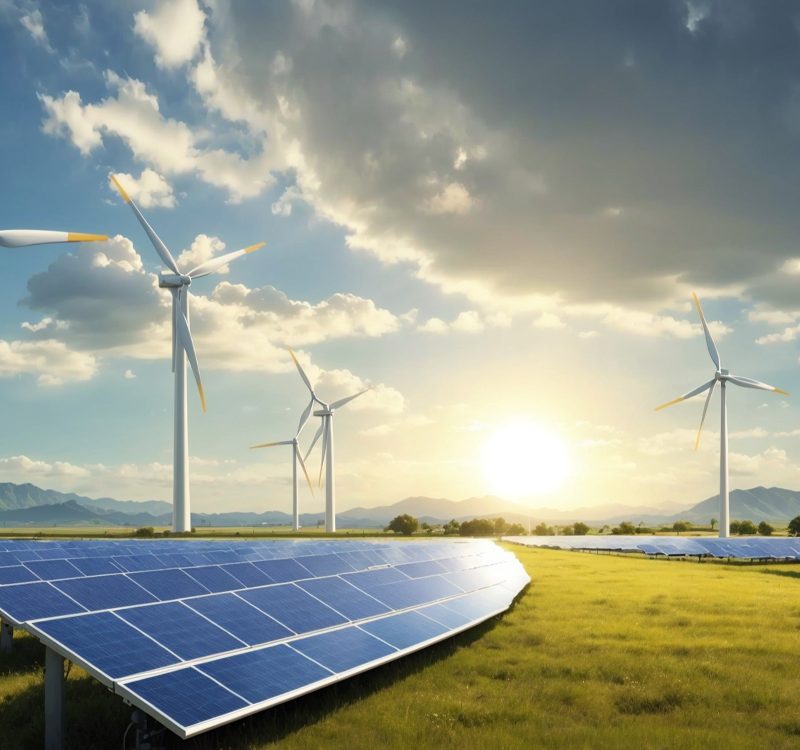
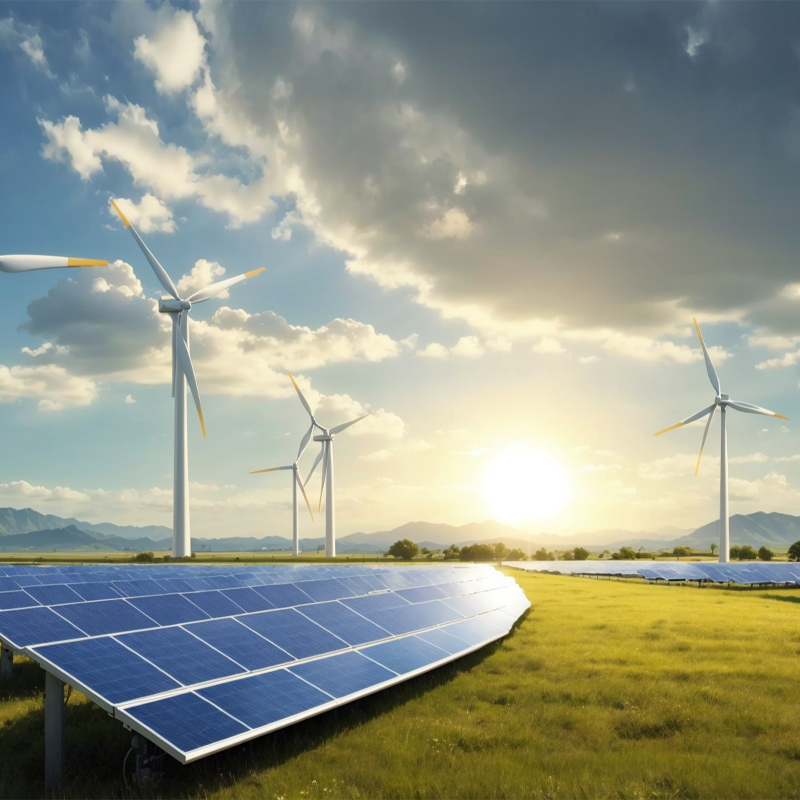
The Middle East’s energy and commodity sector is undergoing significant transformation, driven by economic diversification efforts and the growing emphasis on sustainability. Countries like Saudi Arabia, the UAE, and Qatar are investing heavily in non-traditional industries, including renewable energy, metals, mining, and agriculture. The region’s energy transition is gaining momentum, with initiatives like Saudi Arabia’s Vision 2030 plan creating new trade opportunities and reinforcing the Middle East’s role as a key regional player.
Moreover, the Middle East is expanding its presence in emerging markets, leveraging partnerships and investments to secure access to resources and capitalize on growth opportunities. As the region continues to evolve, it remains a vital player in the global economy, fostering sustainable growth and maintaining its influence in international trade.