
The Middle East’s Economic Landscape: Beyond Oil Dominance
August 13 2024
Understanding Physical Commodity Trading: Processes, Players, and Transformations
August 14 2024The Petrochemical Industry: A Pillar of Modern Economy
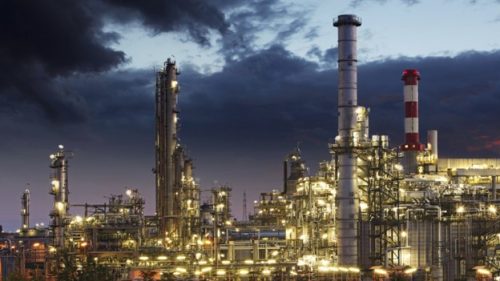
The petrochemical industry, a vital segment of the chemical sector, produces chemical products from petroleum or natural gas. While the primary raw materials are oil and gas, other fossil fuels like coal and renewable resources such as corn, palm fruit, or sugarcane also contribute to the production of certain chemical compounds. Beyond its use in fuel production, petroleum plays a crucial role in manufacturing various vehicle parts, rocket fuels, and even the internal components of spacecraft and satellites. Notably, many essential medicines, including antibiotics, derive their base ingredients from petrochemical compounds.
Historical Overview and Evolution
Historically, ancient civilizations, particularly the Sumerians, Assyrians, and Babylonians, were familiar with some petroleum substances found in the tar lakes of Mesopotamia (modern-day Iraq) around 4,500 years ago. They used bitumen as a waterproofing material. The Romans and Greeks also utilized bitumen for sealing ships and as a source of light and heat.
The mid-19th century saw significant advancements in drilling and oil refining technologies, leading to a dramatic expansion in the petrochemical industry. By the 20th century, petroleum and natural gas had become essential raw materials, crucial for meeting human needs.
The Role of Petroleum in Modern Society
Petroleum derivatives have become fundamental to numerous industries, from vehicle manufacturing to aerospace. The rise of internal combustion engines paralleled the mass production of gasoline-powered vehicles, creating a massive demand for oil. Today, efforts are underway to produce vehicle bodies from plastic materials derived from the polymerization of petrochemical compounds.
The versatility of hydrocarbons in crude oil allows for the formation of an astonishing variety of chemical compounds. For instance, hydrocarbons with 30 carbon atoms can form over four billion different isomers. The diversity of these compounds increases further when elements like sulfur, nitrogen, and oxygen are incorporated into the hydrocarbon chains.
Key Components of Crude Oil
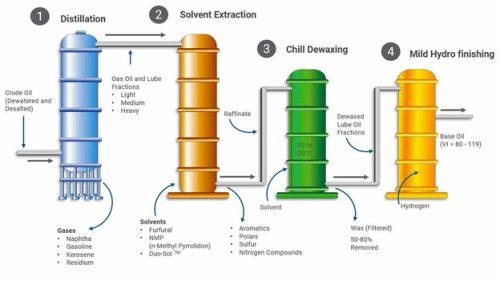
Crude oil primarily consists of saturated hydrocarbons, including chain and cyclic structures. The major components include alkanes (CnH2n+2) and naphthenes (CnH2n). Natural gas, predominantly methane (around 85%), is often found with crude oil in underground reservoirs or produced through crude oil distillation at temperatures below 200°C. While natural gas is mainly used as fuel in non-industrialized countries, industrialized nations utilize it to produce essential chemical products.
The Future of the Petrochemical Industry
The petrochemical industry, a cornerstone of the global energy system, continues to grow. The demand for plastics, the most familiar petrochemical products, has surged, nearly doubling since 2000. Advanced economies currently consume up to 20 times more plastic per capita than developing nations, highlighting significant growth potential worldwide.
Petrochemical companies are increasingly integrating along the value chain, driven by slower gasoline demand growth and strong prospects for chemical products with attractive margins. For instance, Saudi Aramco and SABIC have launched a major project to convert crude oil into chemicals, aiming to process 0.4 million barrels per day—a significant advancement in the field.
Despite the benefits, the production, use, and disposal of chemical products pose environmental challenges. The industry must address issues related to climate, air quality, and water pollution while balancing the need for sustainable energy solutions. The sector, although energy-intensive, emits less carbon dioxide compared to steel and cement industries.
Strategic Outlook and Global Competition
The petrochemical industry’s significance will only grow, with projections indicating that petrochemicals will drive over one-third of the global oil demand growth by 2030 and nearly half by 2050. The United States, leveraging its abundant natural gas resources, holds about 40% of the global ethylene production capacity, with the Middle East maintaining its position as a low-cost leader. As the industry evolves, Asia and the Middle East are expected to increase their market share in high-value chemical production.
In summary, the petrochemical industry is poised for continued expansion, driven by global demand for plastics and other chemical products. However, companies must innovate and adapt to maintain competitiveness, manage costs, and navigate environmental challenges in the years ahead.