
The Evolution and Future of the Textile Industry: From Ancient Weaving to Digital Automation
August 13 2024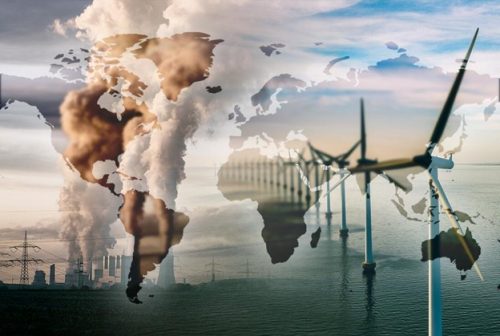
- Geopolitical Tensions and Oil Market Volatility
The year began with heightened volatility in the oil markets, exacerbated by geopolitical tensions, particularly in the Middle East. The recent bomb attacks in Iran, which claimed nearly 100 lives, have intensified these tensions, leading to a 3% rise in oil prices. However, despite these disturbances, experts believe that broader economic factors, including lackluster global economic data and stronger-than-expected U.S. output, will likely keep oil prices in check. While the potential escalation of the Israel-Hamas conflict remains a concern, most analysts anticipate that bearish fundamentals will prevail, maintaining oil prices around $80 per barrel in 2024.
- Renewable Energy Growth Amidst Challenges
The global shift towards renewable energy continues, despite hurdles such as high borrowing costs, elevated raw material prices, and regulatory challenges. The world is on track to install a record 460 gigawatts of renewable energy capacity this year, led primarily by solar power. Notably, China’s contribution is expected to account for 55% of the new global capacity. In the United States, wind and solar energy are set to surpass coal-fired power generation for the first time, underscoring the rapid growth in the sector. However, the future of clean hydrogen remains uncertain, with the sector needing significant investment decisions to ensure its rapid development.

- The Surge in Mergers and Acquisitions (M&A)
The energy sector witnessed a flurry of mergers and acquisitions (M&A) towards the end of 2023, with major deals such as ExxonMobil’s $60 billion acquisition of Pioneer Natural Resources and Chevron’s $53 billion purchase of Hess. As competition for dwindling resources intensifies, especially in key regions like the Permian Basin, more deals are expected in 2024. However, the scale of these transactions may be smaller, with some major players having already made their moves. The possibility of a significant Shell-BP merger remains a topic of speculation, though it’s not currently a priority.
- U.S. Reshoring and Manufacturing Boom
The U.S. is set to accelerate its reshoring efforts, driven by policies like the Inflation Reduction Act, which has spurred billions of dollars in clean tech manufacturing investments. As companies navigate the complexities of qualifying for tax credits and managing construction costs, the focus will be on whether the U.S. can develop a robust domestic manufacturing base for clean technologies. This is particularly crucial for the offshore wind industry, where the size of components and the availability of tax credits for U.S.-made materials are key factors. The solar manufacturing sector is also expected to see significant growth, with capacity potentially tripling by the end of the year.
- U.S. Dominance in Liquefied Natural Gas (LNG)
The United States has emerged as the world’s leading exporter of liquefied natural gas (LNG), surpassing Qatar and Australia in 2023. With new projects like Golden Pass in Texas and Plaquemines in Louisiana set to come online, the U.S. is poised to strengthen its position in the global LNG market. However, challenges remain, as evidenced by ongoing contractual disputes and project delays. The future of U.S. LNG will depend on resolving these issues and ensuring a stable supply chain.
- The Role of AI and Technological Advancements
Artificial Intelligence (AI) is playing an increasingly important role in the energy sector, particularly in forecasting power prices, wind output, and hydro generation. As AI technology continues to evolve, its impact on electricity demand is expected to grow significantly. By 2027, the energy required to power data centers and servers could match the entire demand of countries like Sweden or the Netherlands.
- Renewable Energy’s Renaissance in Europe
In Europe, renewable energy continues its rapid expansion, with solar and wind power playing a critical role in driving down electricity prices, often resulting in negative prices during peak production periods. This phenomenon is expected to provide financial incentives for energy storage solutions and reinforce Europe’s potential as a region of low energy prices. The post-crisis economic recovery and the ongoing decarbonization efforts are likely to further bolster the region’s energy sector.
Conclusion
As the global energy sector navigates through 2024, it faces a complex landscape marked by geopolitical tensions, economic uncertainties, and rapid technological advancements. The continued growth of renewable energy, the surge in M&A activity, and the U.S.’s expanding role in the LNG market are just a few of the trends that will shape the future of the industry. Amid these developments, the sector’s ability to adapt to new challenges and capitalize on emerging opportunities will be crucial in determining its trajectory in the coming years.