


Acrylic Fiber
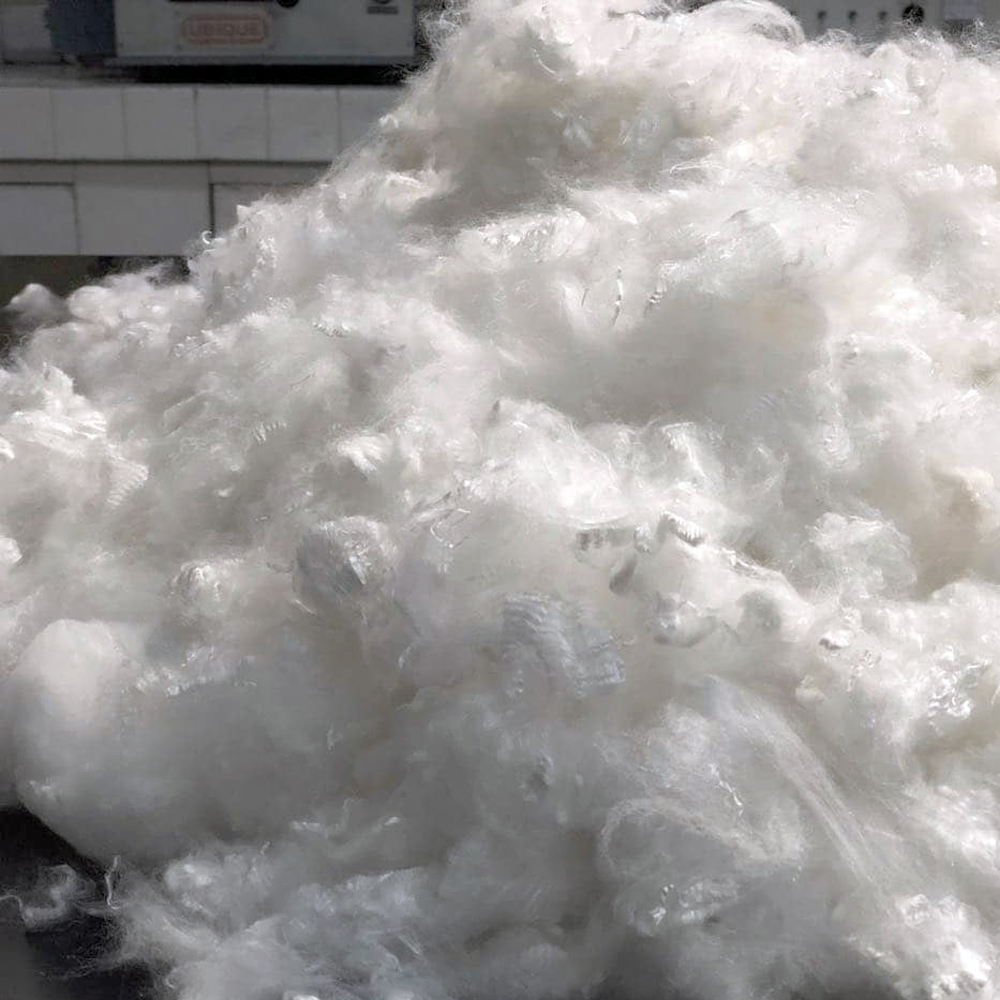
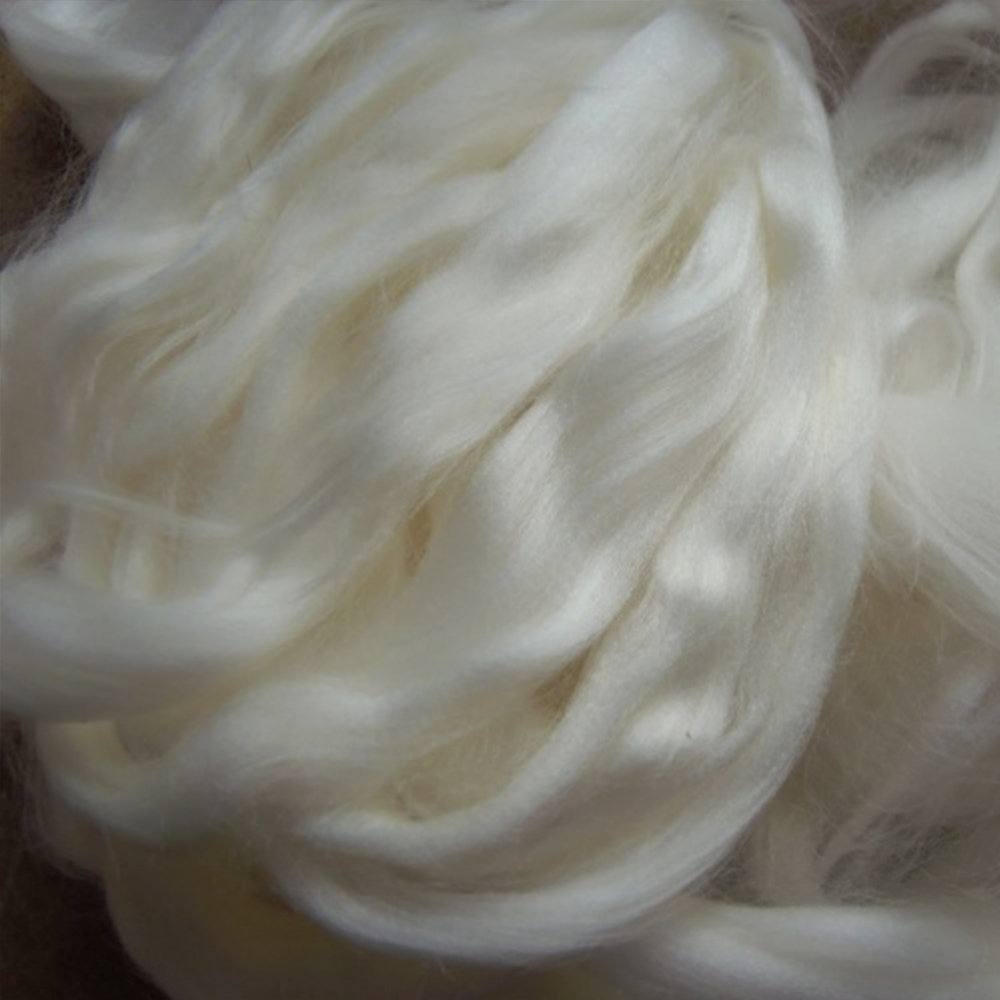
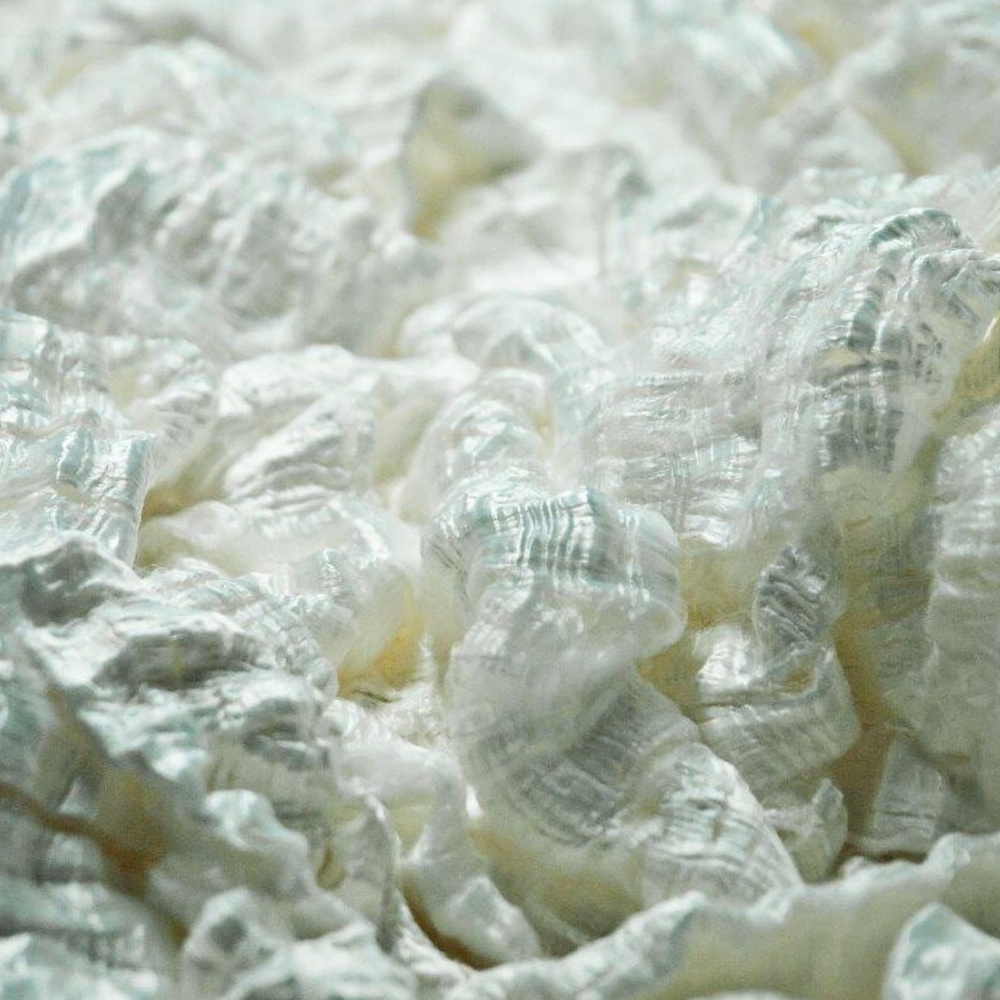
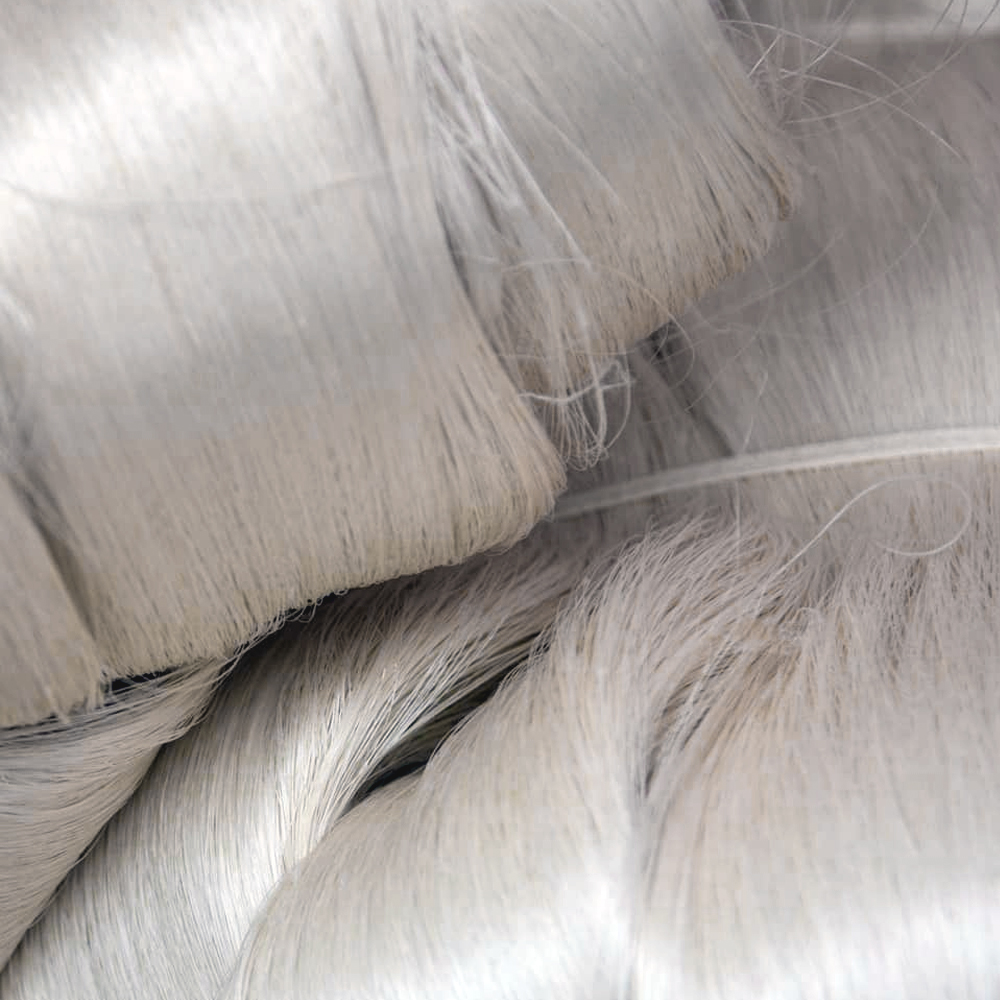
Acrylic Fibers
Acrylic fibers are synthetic fibers composed of a polymer known as polyacrylonitrile, which typically has a molecular weight of around 100,000, comprising roughly 1,900 monomer units. To be classified as “acrylic” in the United States, the polymer must consist of at least 85% acrylonitrile monomer. Common comonomers used in acrylic fibers include vinyl acetate or methyl acrylate.
The first acrylic fibers were developed by DuPont in 1941 and were marketed under the trademark Orlon. Although initially developed in the mid-1940s, large-scale production of acrylic fibers began in the 1950s. Known for their strength and warmth, acrylic fibers are often used in the production of sweaters, tracksuits, boot and glove linings, furnishing fabrics, and carpets. These fibers are produced as filaments, which are then cut into staple lengths similar to wool fibers and spun into yarn.
Acrylic fibers are an ideal choice for manufacturers aiming to enhance the performance of their end products. These fibers provide excellent performance, with properties such as rigidity, gas impermeability, high resistance, and moisture buffering capabilities.
Acrylic fibers are highly versatile and perform exceptionally well in various applications, making them suitable for use across numerous industries. The fibers are thermally stable and can withstand high-temperature environments.
Acrylic is a fully synthetic material, and its high rigidity, melting point, and chemical and solvent resistance make it ideal for coloring, cutting, drilling, forming, and molding to meet specific requirements. Additionally, we manufacture milled acrylic fibers (flock) to enhance the properties of industrial products.
These fibers can be used alone or blended with other fibers during the spinning and yarn production processes for use in the textile and blanket industries. They are also suitable for use as fine fibers in the cotton and knitwear sectors. The final products include gloves, stockings, and wool-like fabrics, which can serve as substitutes for wool due to their similar properties.
Benefits of Acrylic Fibers
Easy Care: Acrylic fibers are easy to wash and maintain.
Chemical Resistance: They resist chemical exposure effectively.
Dyeability: These fibers are easily dyed and retain color well.
Softness: Acrylic fibers have a soft texture.
Sunlight Resistance: They are resistant to sunlight and do not fade.
Mechanical Strength: These fibers possess good mechanical strength.
About Us: SHIVAELYAF
At SHIVAELYAF, we leverage our extensive experience in the fiber industry and our global network to supply high-quality acrylic fibers tailored to your specific needs.