


PP Fiber
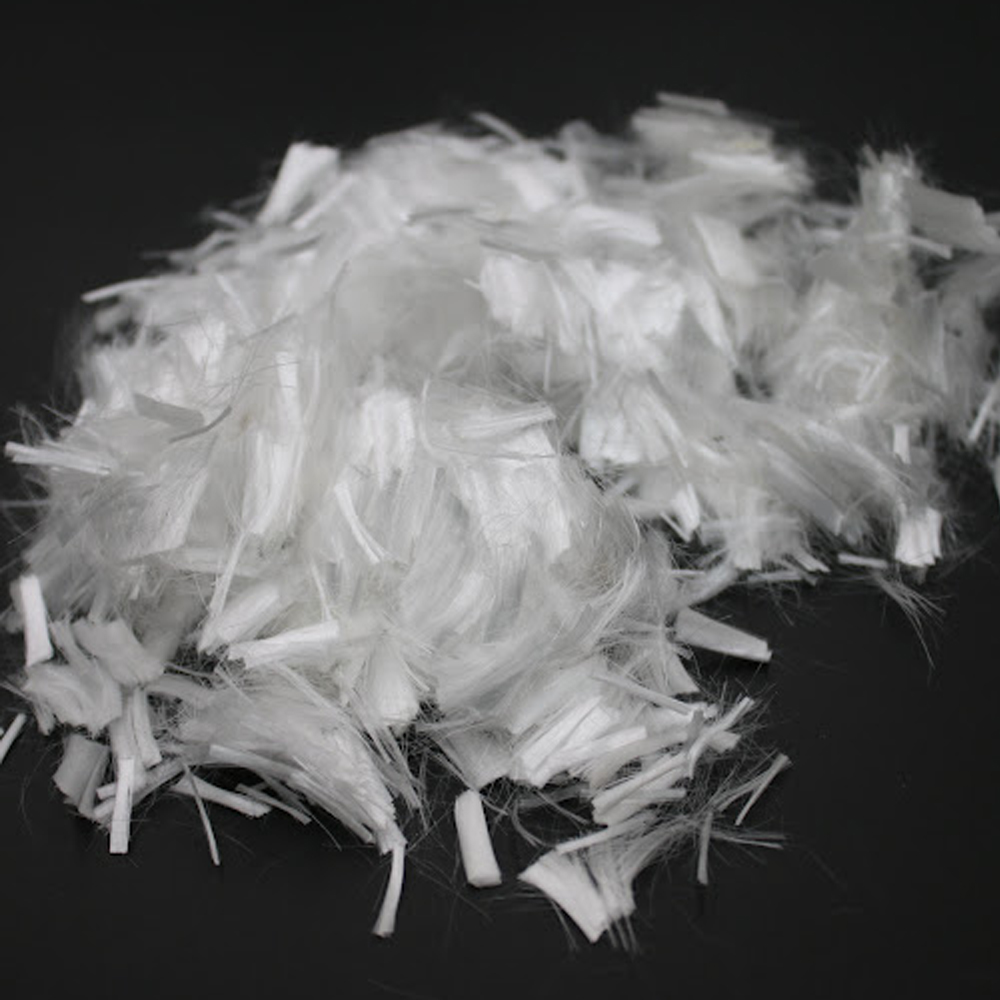
Polypropylene Fiber (PP)
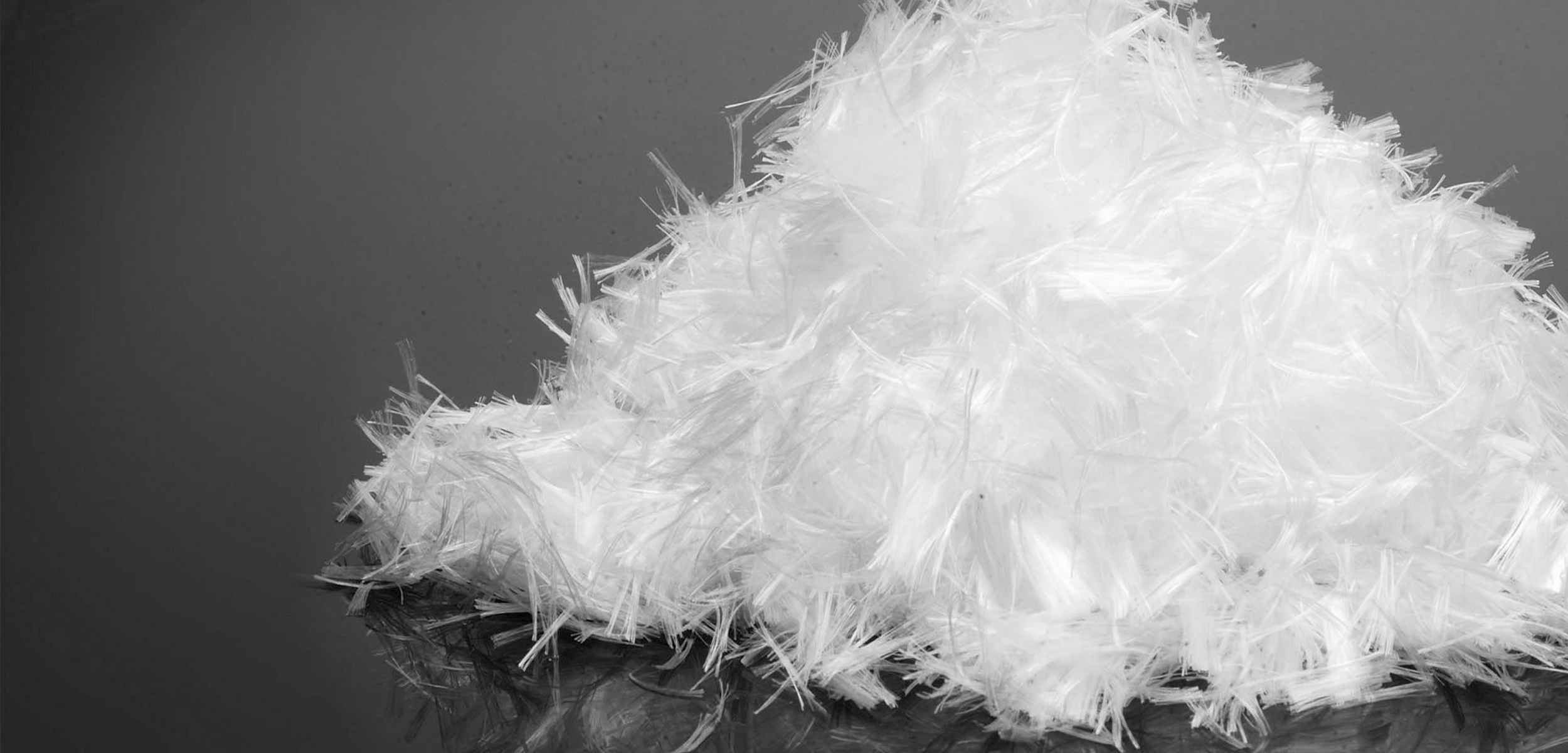
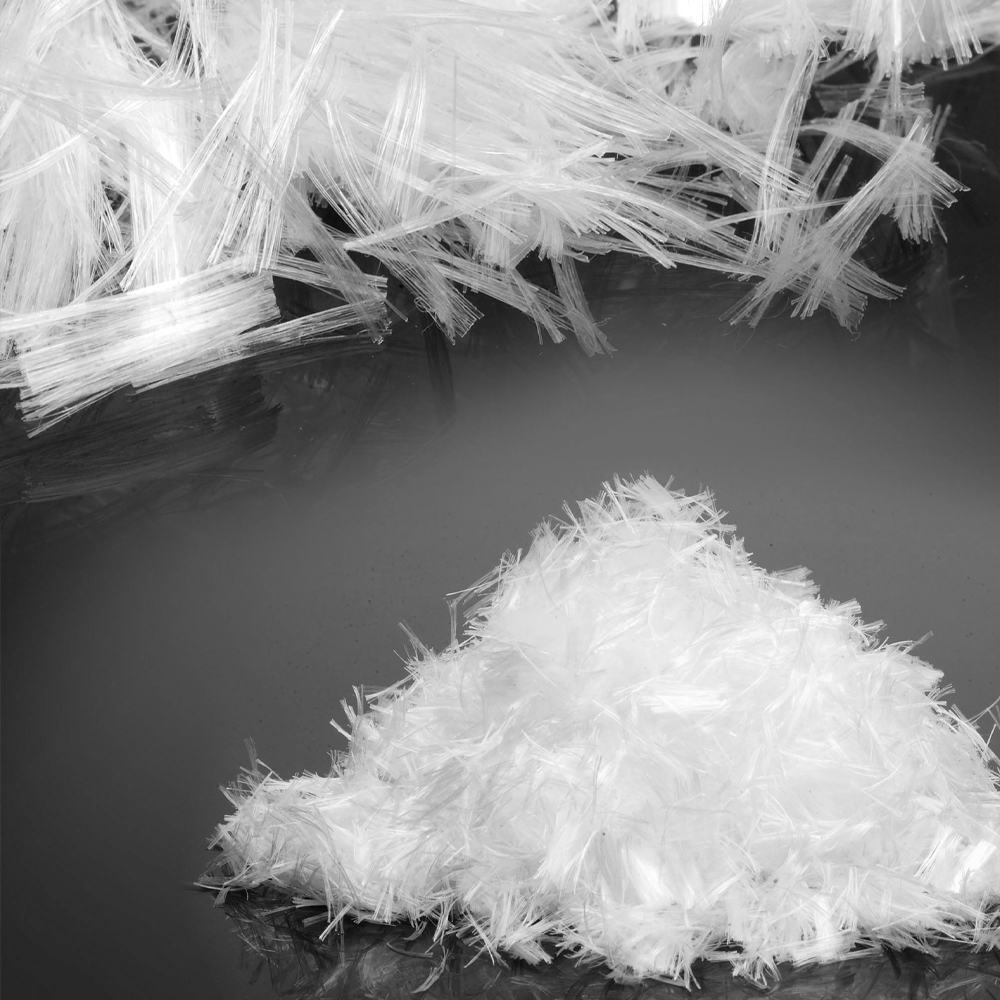
Polypropylene fibers, often referred to as PP fibers, are produced through the chain polymerization of propene monomers. Known for their durability, stability, and heat resistance, these fibers exhibit properties that make them highly versatile. They are antistatic, non-magnetic, and non-conductive, and have a long lifespan. PP fibers can be used in environments ranging from 0 to 100 degrees Celsius without any issues. Being odorless and gentle on the skin, these fibers are suitable for applications in the food, pharmaceutical, and cosmetic industries.
In terms of elasticity and flexibility, polypropylene fibers outperform polyamide fibers. However, they offer less resistance to abrasion. PP fibers are excellent thermal insulators and demonstrate strong resistance to acids, alkalis, and organic solvents. Despite their many benefits, they are sensitive to heat and light exposure.
Primarily, these fibers find widespread use in the construction and textile industries. Their unique characteristics make them an excellent addition to concrete, enhancing its tensile strength when combined with cement mortar.
Composition of Polypropylene Fiber
Polypropylene is a thermoplastic additive polymer derived from propylene monomers. It is used to manufacture various plastic components across multiple applications, including packaging for consumer goods, as well as in the automotive and textile industries.
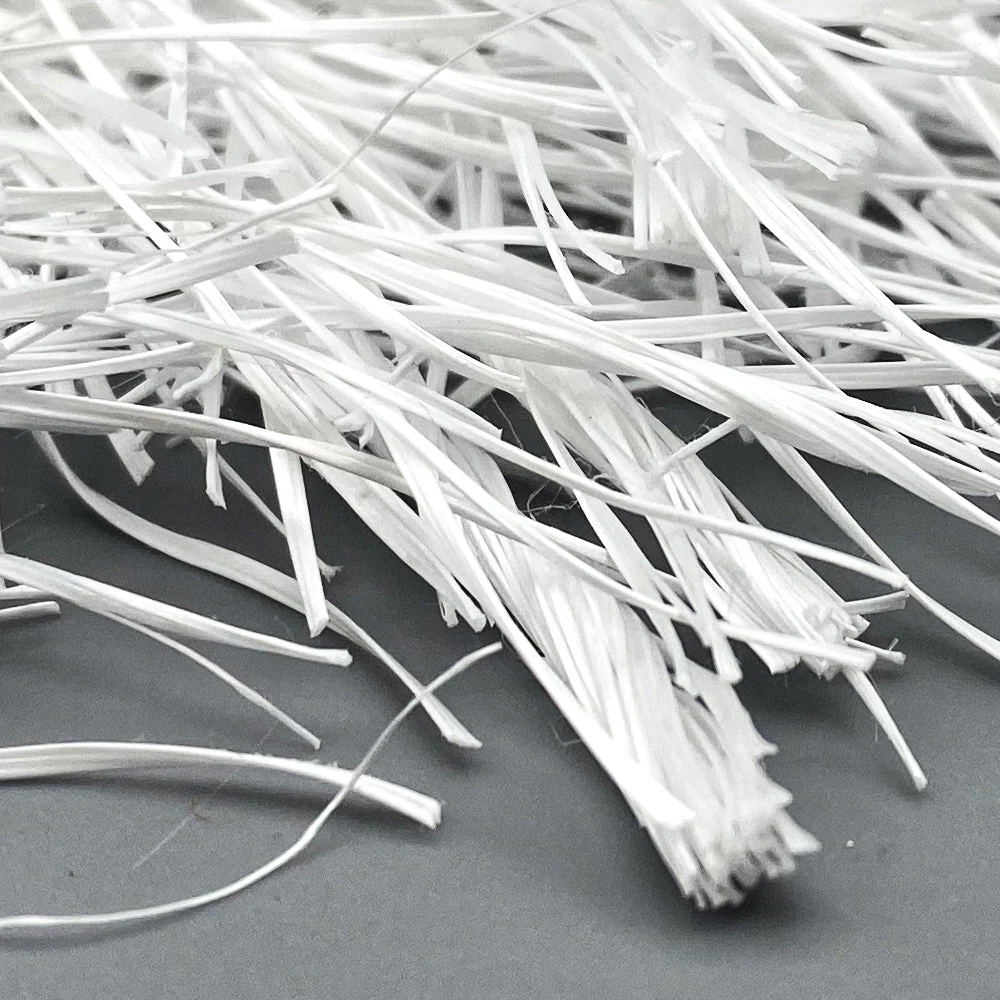
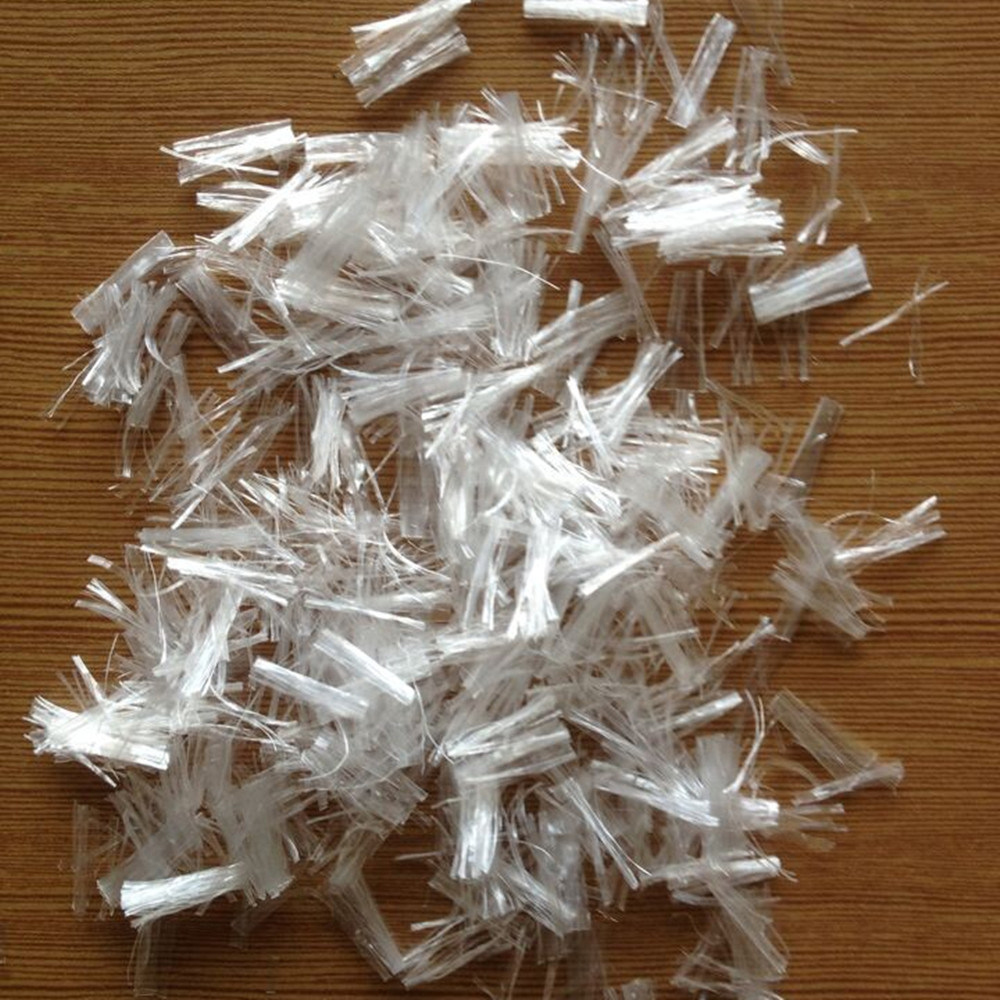
Incorporating PP fibers into cement mortar does not increase or decrease the weight or volume of the mixture. These fibers serve as a suitable alternative to thermal rebars in concrete, enhancing strength and durability. Polypropylene fibers are available in various forms, typically as short, separate pieces for easy integration.
PP fibers are also used to enhance the strength of plastics. When added to plastic materials, they help reduce cracks caused by impact or environmental factors such as humidity and temperature changes.
Pros and Cons of Polypropylene Staple Fibers
Advantages:
- High energy absorption in concrete
- Relatively high melting point
- Alkali resistance
- Non-magnetic properties
- Minimal dust absorption
- High wear resistance
- Cost-effective and affordable
Disadvantages:
Vulnerable to ultraviolet light from sunlight
Challenges in dyeing due to low polarity
Applications of Polypropylene Fibers
Polypropylene fibers are utilized in manufacturing ropes, fishing nets, BCF threads, carpets, and artificial grass, among other products. They are also employed in making geotextile fabrics, pavement repair materials, roofing felt, and artificial ski slopes.
About Us: SHIVAELYAF
At SHIVAELYAF, we leverage our extensive experience in the fiber industry and our global network to supply high-quality PP fibers tailored to your specific needs.