


Cotton Fiber
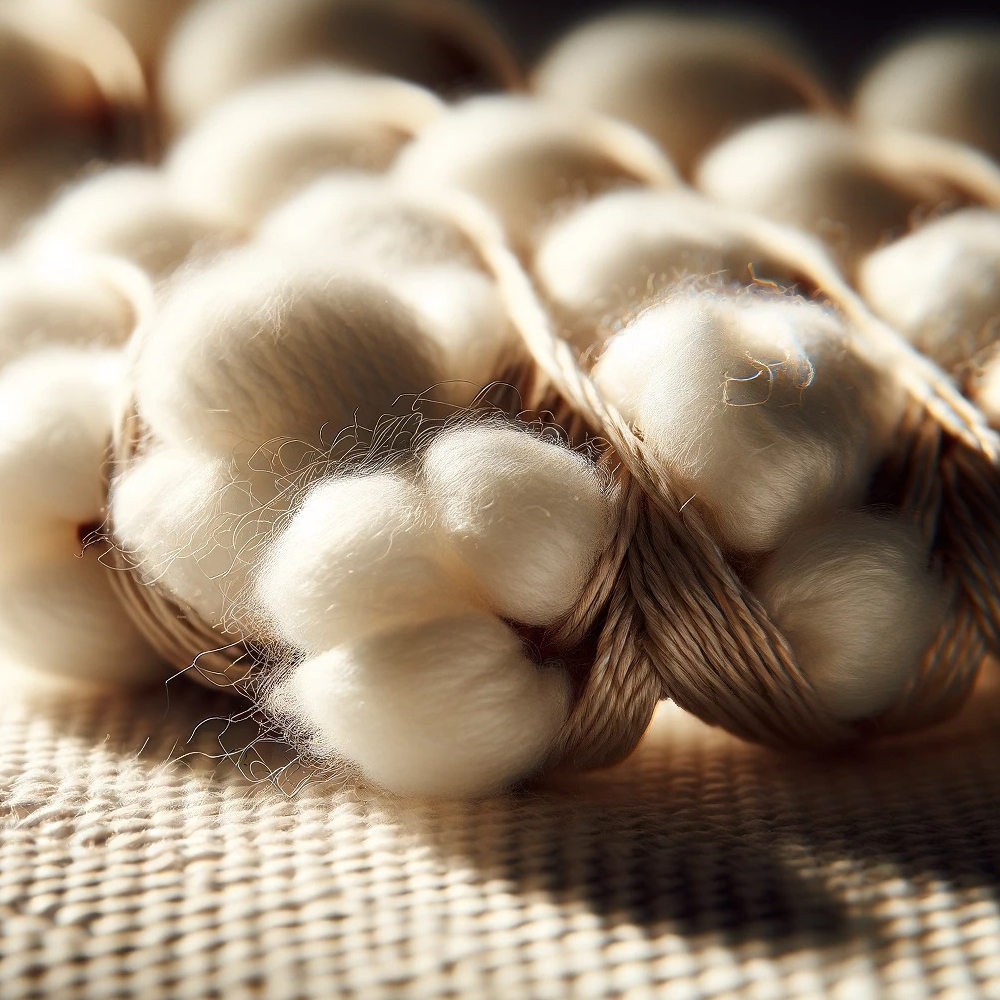
Cotton
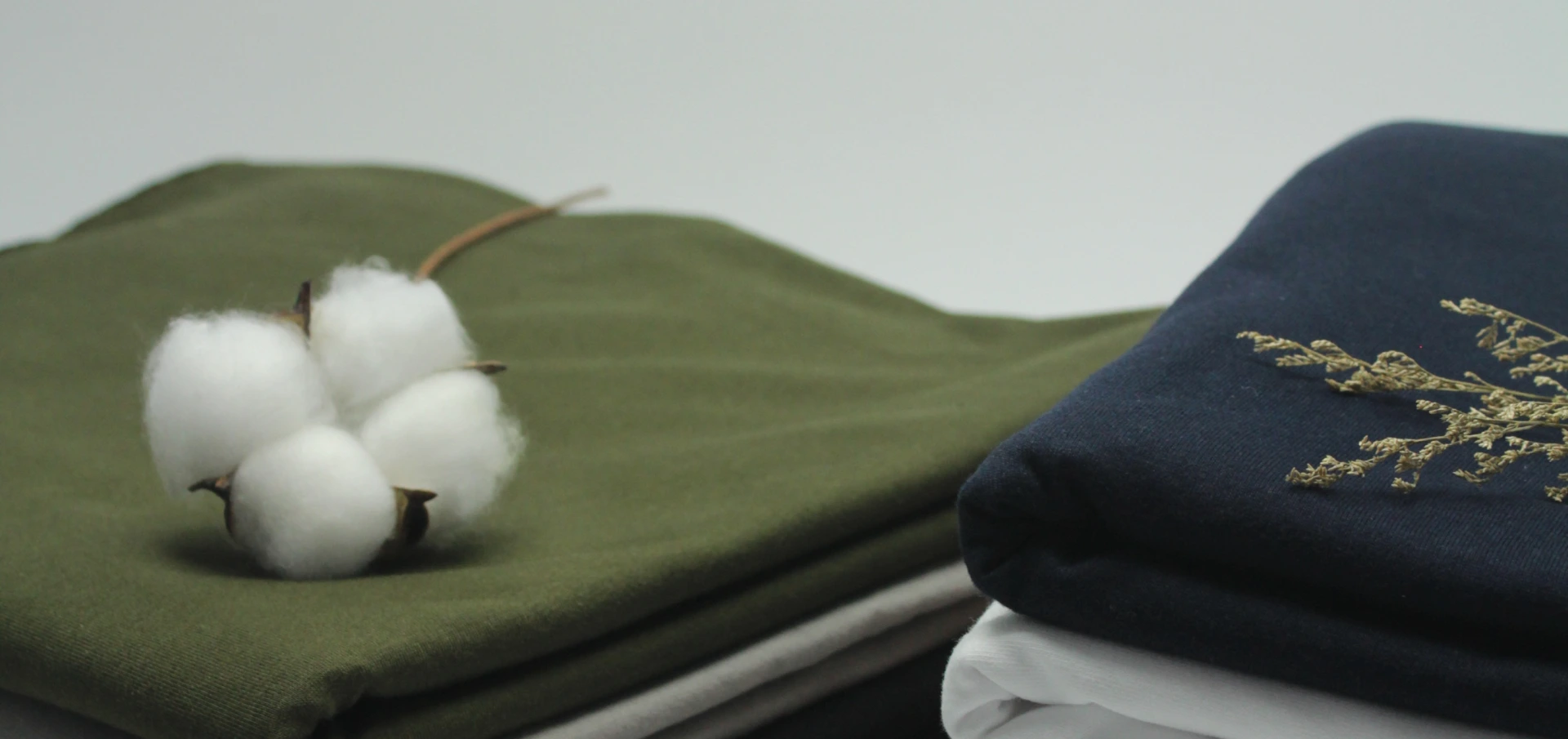
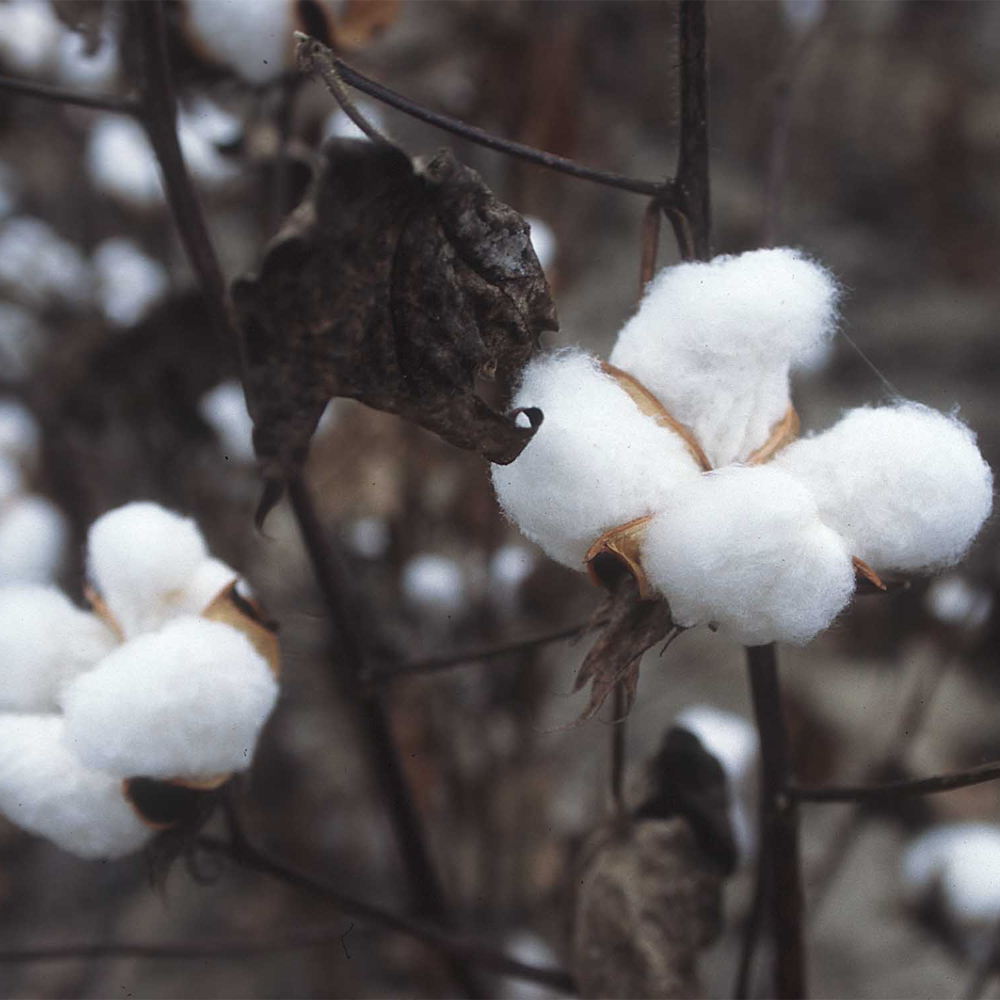
Cotton is a soft and fluffy natural fiber that forms inside a protective casing known as a boll, surrounding the seeds of cotton plants from the genus Gossypium, which belong to the Malvaceae family. This fiber is primarily composed of cellulose but can also include small amounts of waxes, fats, pectins, and water. Under natural conditions, the cotton bolls aid in seed dispersal by breaking open.
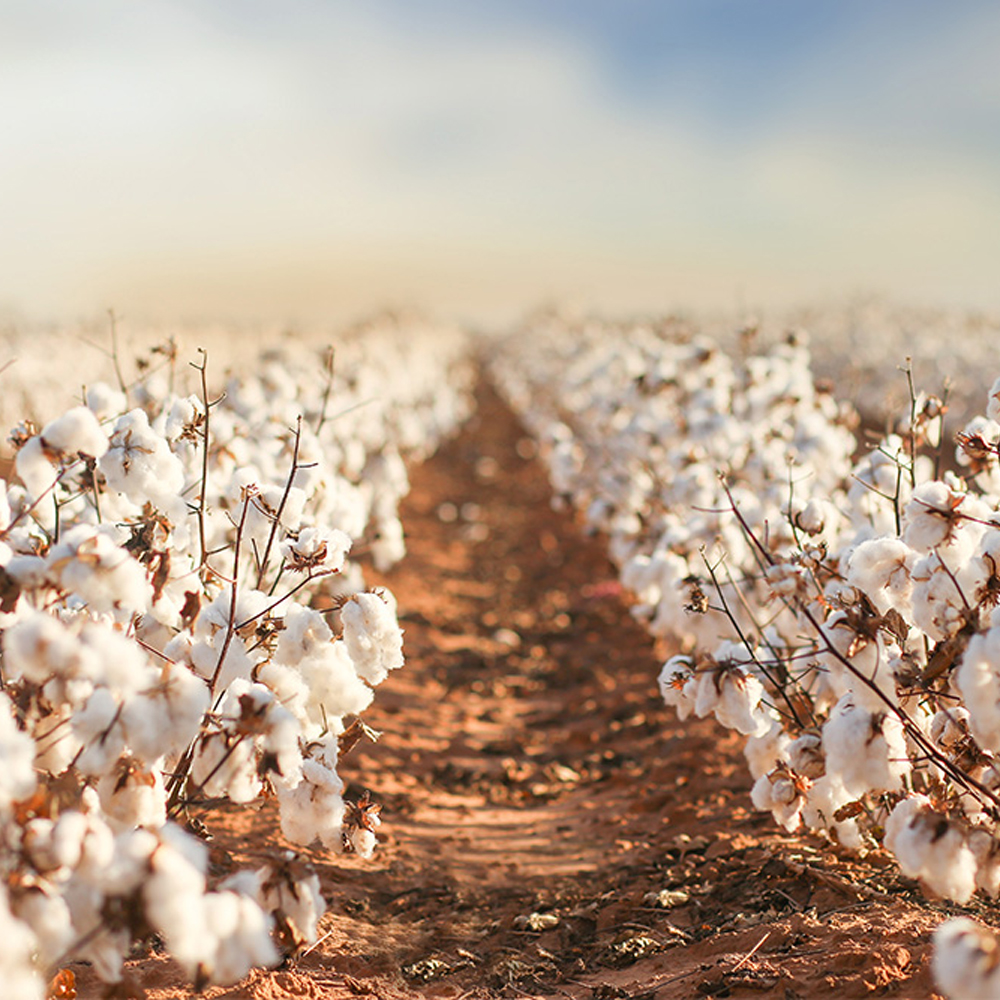
The cotton plant is a shrub native to tropical and subtropical regions worldwide, including areas such as the Americas, Africa, Egypt, and India. Mexico boasts the highest diversity of wild cotton species, followed by Australia and Africa. Cotton was independently cultivated in both the Old and New Worlds.
Historical Significance and Uses
Cotton fiber is most commonly spun into yarn or thread, which is then used to create breathable, durable textiles. The use of cotton for fabric traces back to prehistoric times. Archaeologists have discovered fragments of cotton fabric dating back to the fifth millennium BC in the Indus Valley civilization and pieces from around 4200 BC in Peru. While cotton cultivation dates back to ancient times, the invention of the cotton gin significantly reduced production costs, leading to its widespread adoption. Today, cotton is the most extensively used natural fiber in clothing.
Production and Global Impact
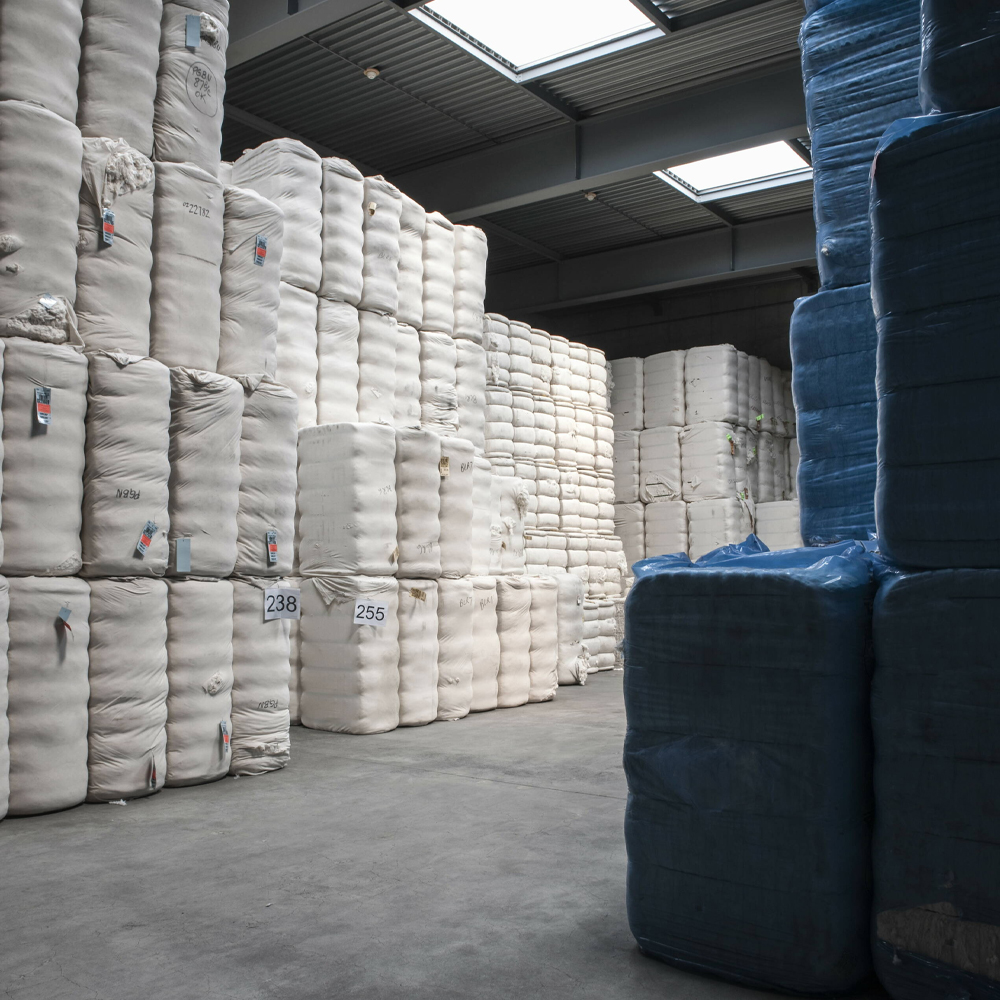
Current global cotton production is estimated at approximately 25 million tons, or 110 million bales annually, covering about 2.5% of the world’s arable land. India is the leading producer of cotton, while the United States has consistently been the largest exporter for many years.
The term “cotton” originates from the Arabic word قطن (qutn or qutun), which was the common term for cotton in medieval Arabic. In his book, Marco Polo mentions a province he refers to as Khotan in Turkestan (modern-day Xinjiang), where cotton was cultivated extensively. The word “cotton” entered the Romance languages around the mid-12th century and appeared in English about a century later. Cotton fabric was known to the ancient Romans as an import, but it remained rare in the Romance-speaking regions until the late medieval era, when imports from Arabic-speaking lands became more accessible and affordable.
Macro-Structural Properties of Cotton Fiber
Length:
Cotton is categorized as a staple fiber, which means it consists of short, discrete fibers. The fiber’s length varies based on the species and growing conditions, with longer fibers generally being finer and more desirable.
Here’s how cotton fibers are classified by length:
- Long and Premium Fibers: 26-65 mm
- Medium-Length Fibers: 12-33 mm
- Short and Coarse Fibers: 9-26 mm
Diameter:
The fiber diameter decreases as length increases, inversely affecting its fineness. Cotton fibers are categorized by diameter as follows:
Fine and Premium: 10-15 micrometers
Medium: 12-17 micrometers
Thick and Coarse: 13-22 micrometers
Cotton fibers are semi-transparent and may exhibit a tint due to impurities and natural pigments, resulting in shades ranging from white to off-white, yellowish, or gray. The surface of cotton fibers has a natural crimp, reducing their luster.
Why Cotton is Important in the Textile Industry
Cotton fibers are hygroscopic, meaning they can absorb moisture well, with a moisture regain of 7-8%. This property enhances dye uptake and makes cotton garments comfortable to wear.
Cotton has a crystalline structure comprising 65-70% crystalline regions, contributing to its strength. The fiber can elongate up to 10% before breaking. Interestingly, cotton’s strength increases by 20% when wet compared to its dry state.
As a cellulose-based fiber, cotton can blend with other fibers, such as polyester, and can be dyed using various methods. These attributes make cotton one of the most sought-after fibers in the global market.
Testing Cotton Fibers
Fiber testing is crucial in the spinning industry. The High-Volume Instrument (HVI) is a key tool for this purpose, with USTER being one of the leading manufacturers of these machines. The HVI system simultaneously tests multiple fibers, providing average values for important characteristics. This method assesses several parameters that indicate different cotton fiber properties. USTER’s HVI machines are recognized worldwide and are widely used for fiber testing.
About ShivaElyaf
At ShivaElyaf, we leverage our extensive experience and global network in the textile industry to source the finest cotton. We know the best farms and supply areas, allowing us to deliver cotton that meets your quality requirements. Whether it is understanding which farm produces the best cotton or transforming cotton to suit specific demands, we ensure you receive the highest quality fiber.