

Air Through Bonding
Air-Through Bonding Technology
In our daily lives, we encounter products made using air-through bonding technology without even realizing it. This technology is pivotal in the hygiene industry, where products demand high levels of uniformity, softness, bulkiness, and tensile strength. With the growing global population, aging demographics, and rising living standards, there is an increasing demand for quality hygiene products like baby diapers, feminine hygiene products, and adult incontinence items. Air-through bonding technology is perfect for meeting these stringent quality standards.
Understanding Through Air Bonding
Through air bonding is a type of thermal bonding technique where heated air is applied to the surface of nonwoven fabrics. In this process, heated air flows through perforations in a plenum above the nonwoven material. Unlike traditional hot ovens that push air through the fabric, the through-air method uses suction to pull air through an open conveyor holding the nonwoven material as it moves through the oven. This technique ensures the rapid and uniform transmission of heat, minimizing any distortion of the fabric.
Composition and Characteristics
The through-air bonding process utilizes binding agents such as crystalline binder fibers and powders. These agents melt into tiny droplets throughout the nonwoven’s cross-section, creating bonding points as the material cools. Nonwovens produced through this method have distinctive characteristics:
- Bulkiness
- Openness
- Softness
- Strength
- Stretchability
- Breathability
- Absorbency
- Post-Production Process
After production, these materials undergo a smoothing process called calendering. Depending on whether hot or cold calendering is used, the fabric can be made thinner or thicker. Despite this process, the material retains its flexibility and extensibility.
Applications of Through Air Bonded Nonwovens
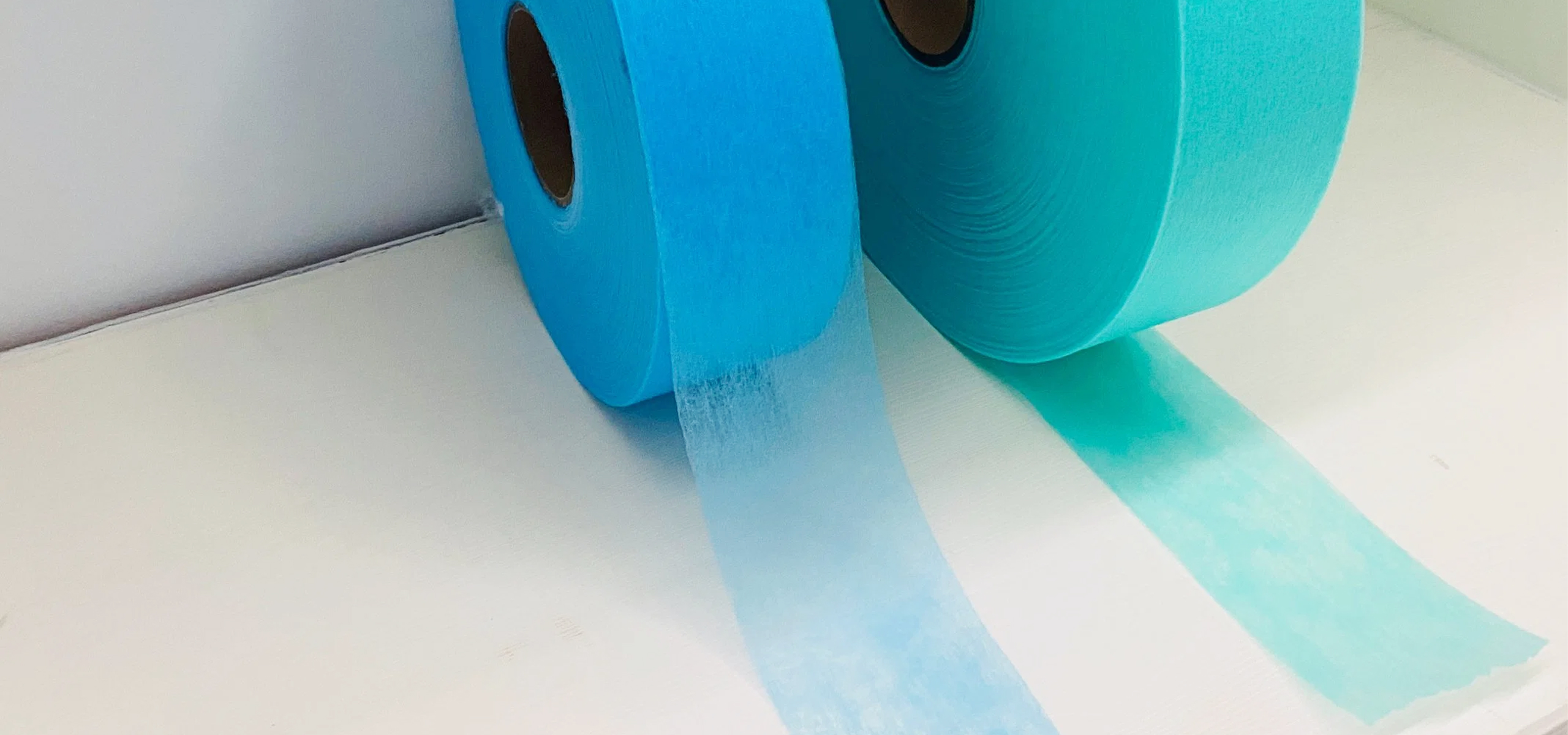
Nonwovens made through air bonding find extensive use in hygiene products, filtration systems, bedding, furniture, carpet backing, cleaning wipes, dryer sheets, and other durable disposable products. Their lightweight nature and environmental benefits make them an attractive choice across various industries.
Air-through bonding nonwovens are particularly noted for their softness, comparable to spunlace fabrics. While there is still a noticeable gap in bulkiness and smoothness compared to spunbond materials, air-through bonding offers a unique softness advantage. This softness is achieved without the need for bonding patterns, which are necessary for spunbond fabrics.
Versatility in Raw Material Usage
Another advantage of air-through bonded (ATB) nonwovens over spunbond is the flexibility to combine different raw materials. For example, using polymers with lower melting points can enhance bonding and sealing performance, making them ideal for premium products. Additionally, 3D embossed ATB solutions provide superior resilience compared to spunbond materials.
Major Applications: ADL and Beyond
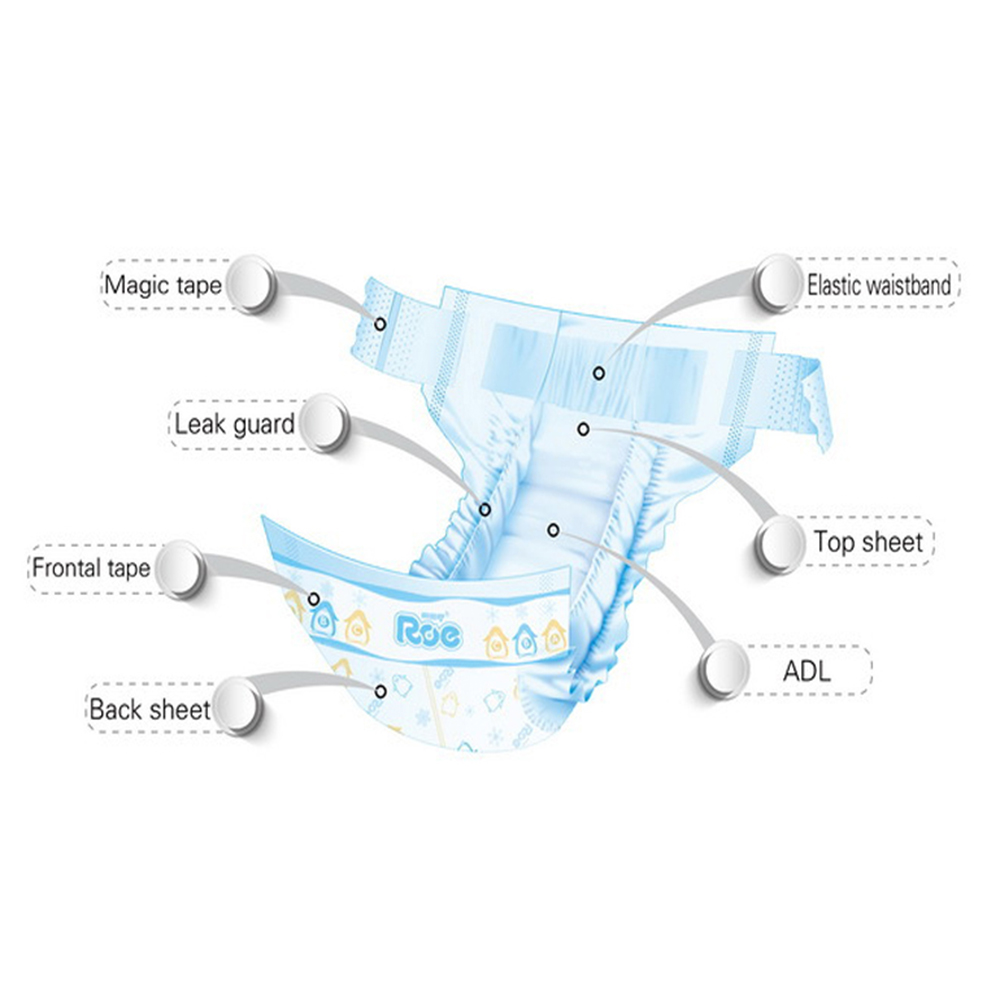
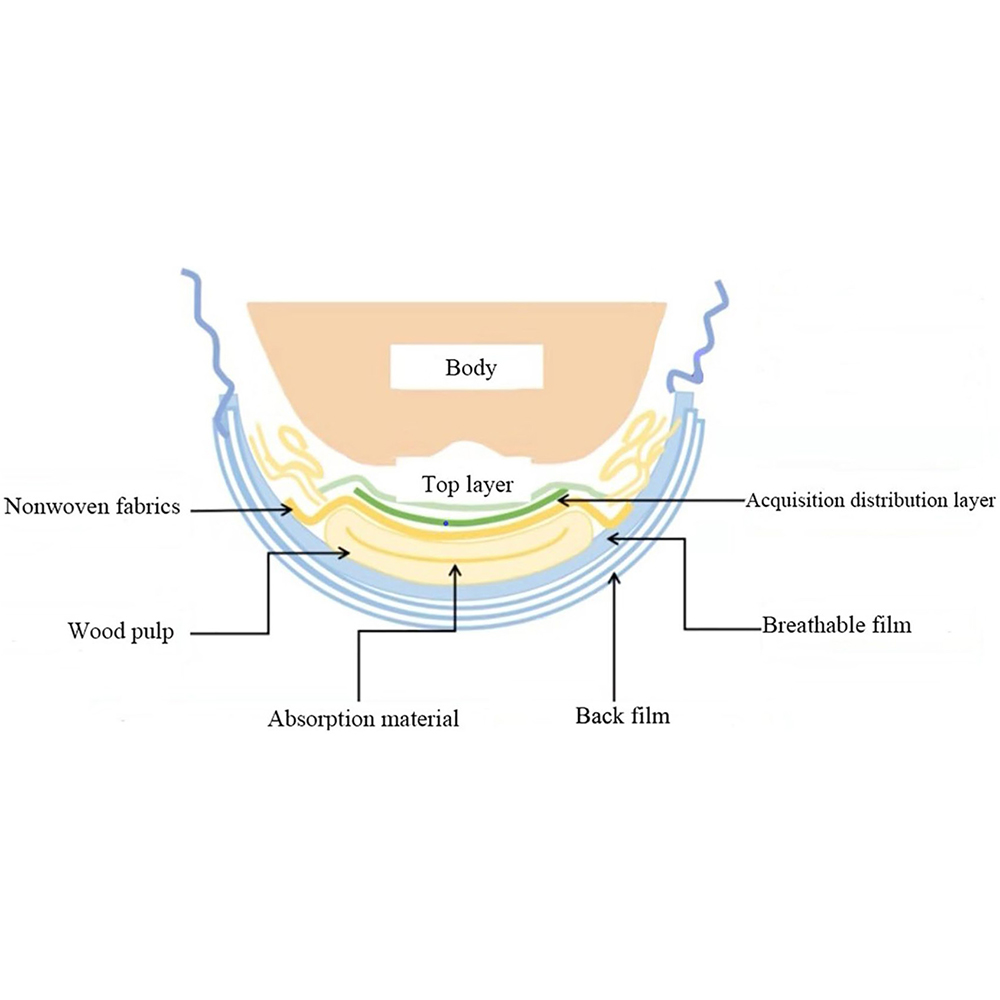
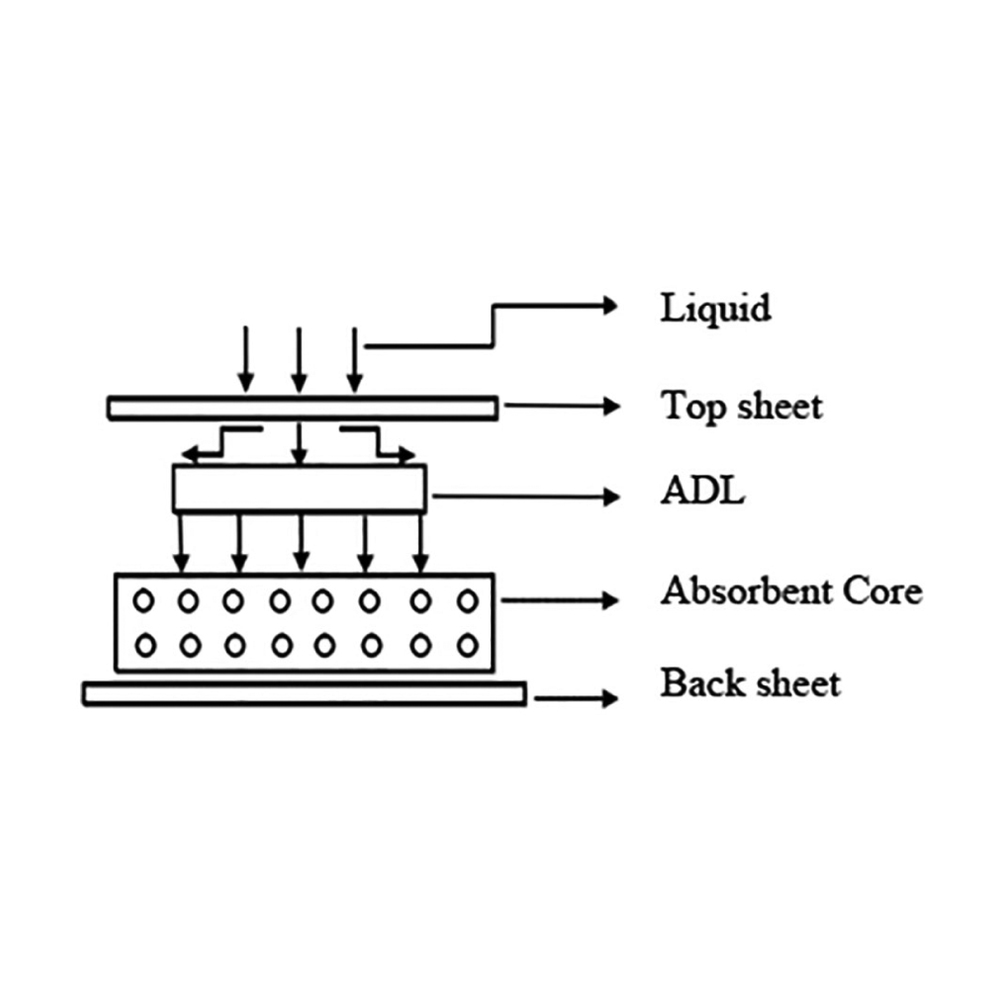
A significant application of ATB nonwovens is in the acquisition distribution layer (ADL) of hygiene products. This layer, situated between the top sheet and absorbent core, is crucial for fluid distribution. With excellent hydrophilic properties, the ADL accelerates the absorption and dispersion of fluids in products like baby and adult diapers, underpads, and feminine hygiene pads.
ATB nonwovens also play a role in air filtration due to their ability to offer unique combinations of air permeability, thickness, and pressure drop. The ATB filtration market has seen significant growth, reflecting the ongoing commitment to innovation in carded technologies.
ATB Fabric Properties and Uses
Softness and Skin Protection
ATB fabrics are known for their soft texture, non-toxicity, lack of odor, and skin-friendliness. They maintain their original softness akin to cotton, enhancing fluid penetration speed and reducing reverse leakage. This property makes them ideal for products that need to keep users dry and comfortable.
Weak Acid Nonwoven Fabric
The weak acid variant of ATB fabrics maintains skin pH balance and protects skin health. The human skin naturally has a weakly acidic barrier that protects against bacteria and external irritants. ATB fabrics include weak acidic components to preserve this barrier, offering skin protection and comfort.
Weak Acid Oil: Free from silicone and ADM, with strong hydrophilic performance.
Vitamin E: Provides antioxidant benefits and protects against pigmentation.
pH 5.5: Mildly acidic to reduce alkaline irritation and maintain the skin’s natural defenses.
Antibacterial Nonwoven Fabric
This type of ATB fabric includes botanical antimicrobial agents that prevent bacterial growth, making them ideal for personal care products. These fabrics protect the skin by preventing the proliferation of bacteria like Staphylococcus aureus, Candida albicans, fungi, and molds, ensuring a safer hygiene experience.
Super Dry Nonwoven Fabric
Designed to keep skin dry and reduce the risk of rashes, these fabrics rapidly direct moisture away from the skin, maintaining dryness and comfort, especially in baby care products.
Extreme Softness Fabric
With ultra-fine fibers, these fabrics offer a silky touch and are used in baby diapers and sanitary napkins for a luxurious feel against the skin.
Applications and Innovations
Hydrophobic ATB Nonwoven Fabric: Utilized in waistband applications for baby pull-up pants and diaper back sheets, providing softness and comfort for sensitive skin.
Hydrophilic ATB Nonwoven Fabric: Used as the top sheet in various personal care products, offering superior absorbency and comfort.
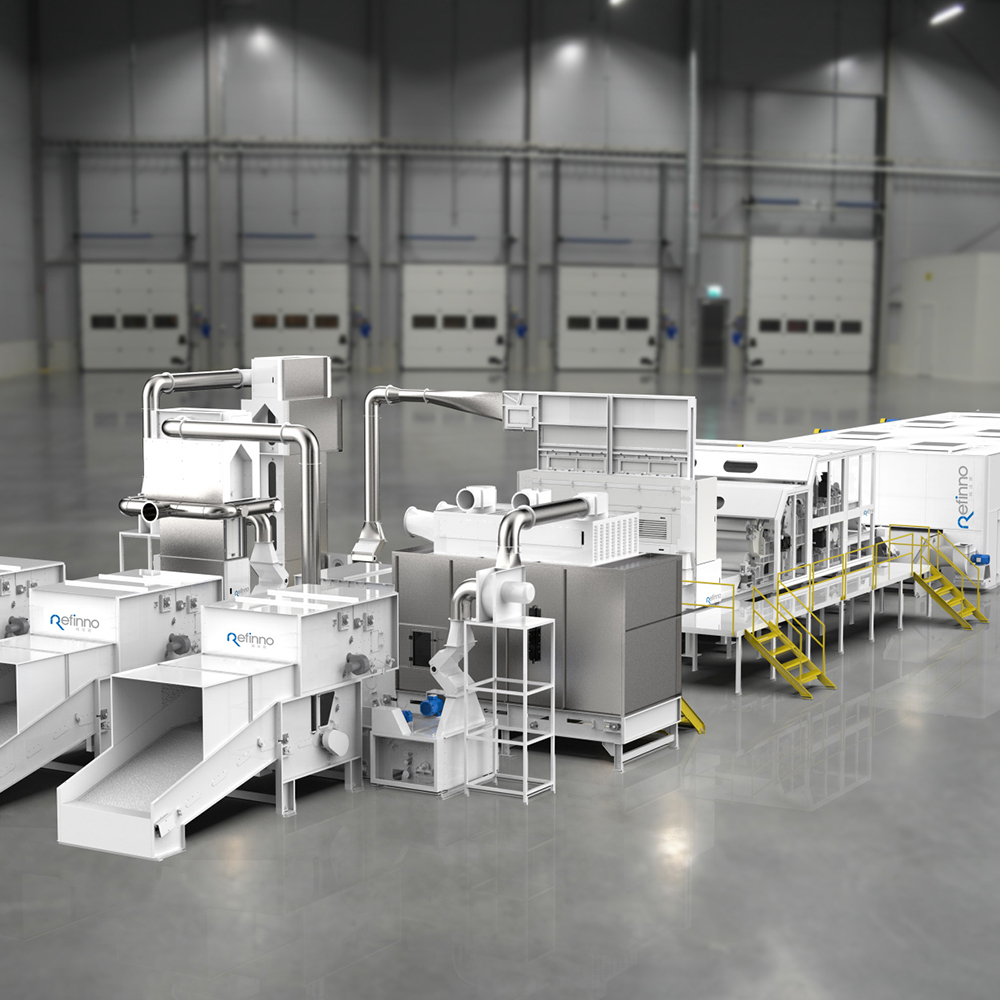
ShivaElyaf, with its direct production capabilities and ATB line, can meet your specific needs for ADL, top sheets, and back sheets, ensuring you receive the right products for your requirements.