


Machine Made Carpet
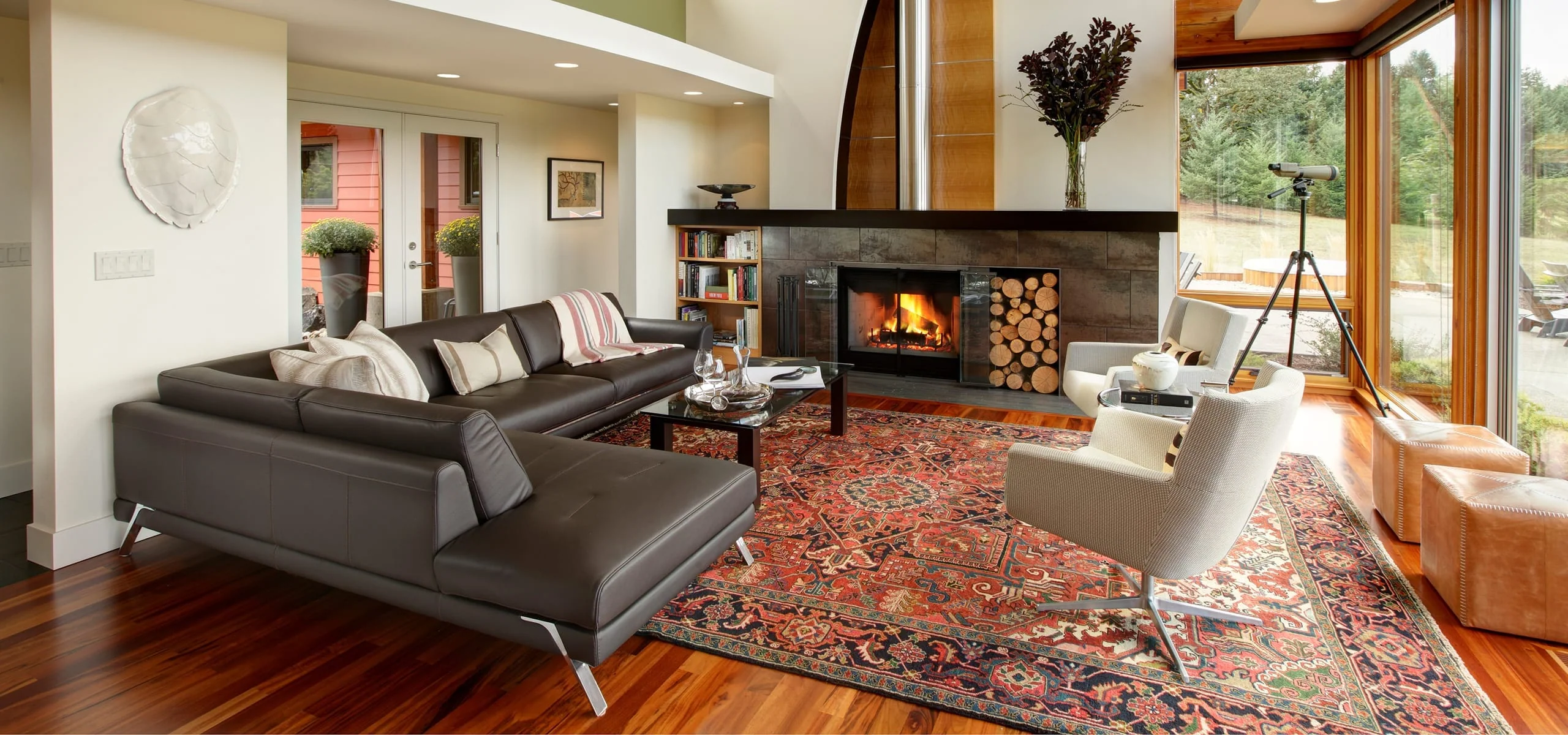
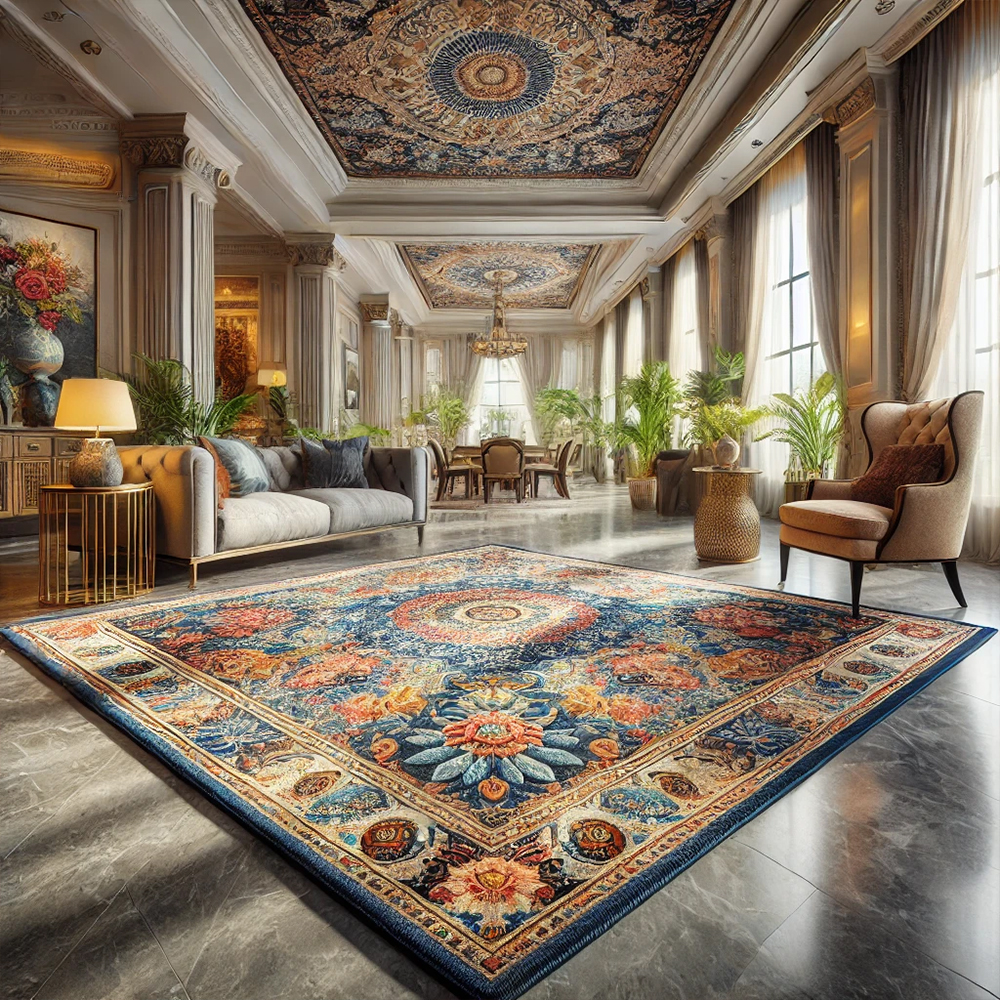
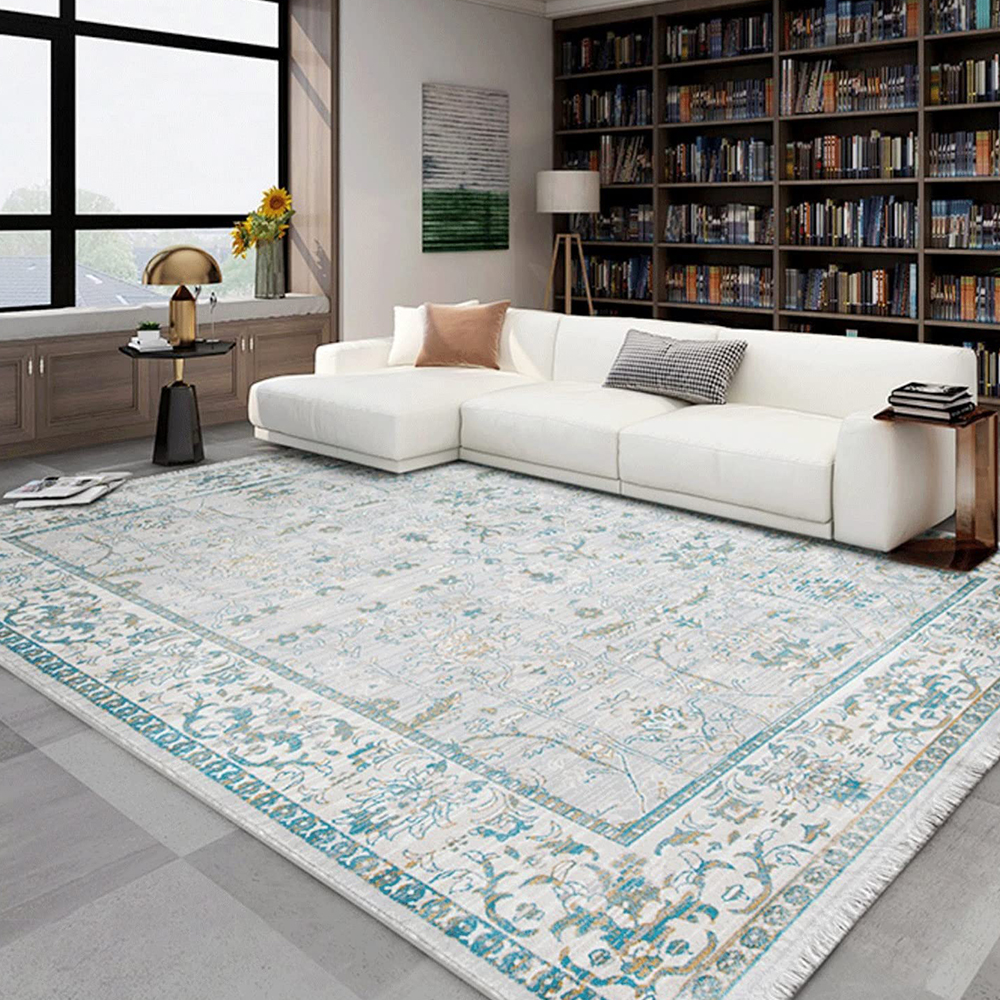
Carpets have a rich and diverse history, evolving alongside human civilizations. Each era has left its mark on the designs and patterns found in carpets, capturing the essence of the times. The history of carpet weaving can be traced back to the 5th century BC. Although carpet weaving was significant during the Achaemenid period, evidence suggests that it truly flourished during the Sassanid era. This is exemplified by the famous Baharistan carpet, or Bahar Khosrow, which was created during the Sassanid period and later looted by the Arabs.
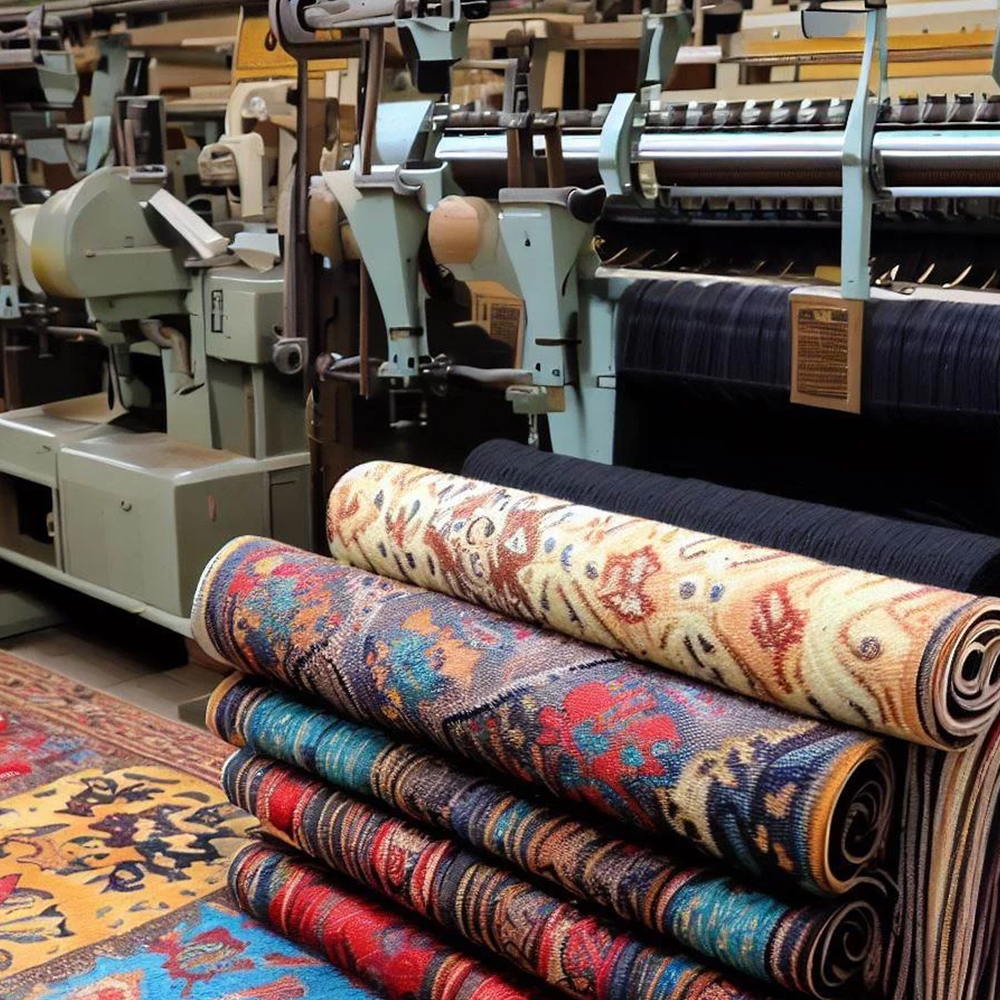
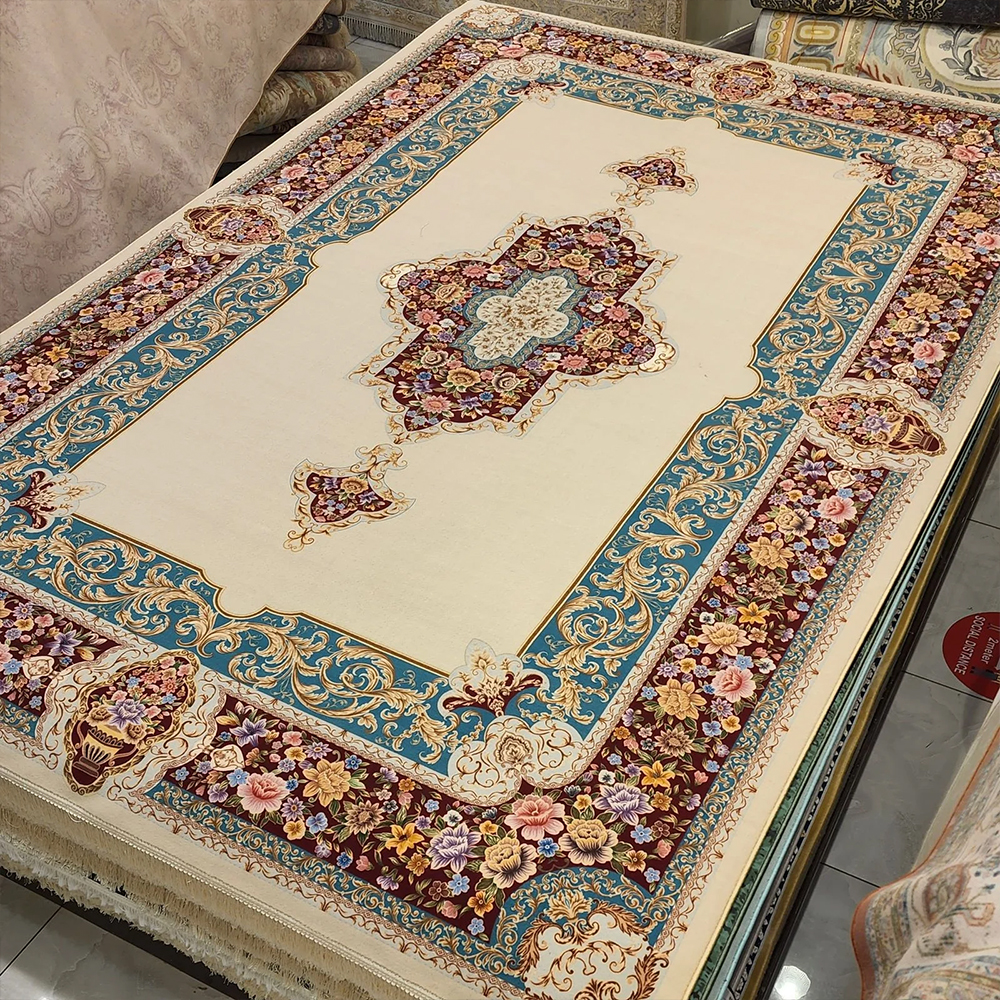
Carpets can be broadly categorized into two types: hand-woven and machine-made. As the name implies, hand-woven carpets are crafted by skilled artisans, requiring significant time and effort, making them more expensive than their machine-made counterparts. On the other hand, machine-made carpets are produced using carpet-weaving machines, offering faster production, a more affordable price point, and a wide range of designs. Due to these advantages, machine-made carpets have become more popular in the market.
Types of Carpet Panels
Carpet panels can vary based on material, design, and size. Here’s a breakdown of some common categories:
Material
Wool Yarn: This is one of the most commonly used materials in carpet weaving. The quality of wool yarn can vary significantly, affecting the final product’s appearance and durability.
Cotton Thread: Widely used, especially in Iranian carpets, cotton threads are essential for producing quality weaves.
Fluffy Yarn: Often derived from the soft wool found on cattle, carpets made with this yarn are generally more expensive due to the luxurious texture it provides.
Silk Yarn: Natural silk fibers create high-quality, durable carpets. Made from silk cocoons, these fibers are incredibly valuable and are known for their softness and elegance.
Acrylic Thread: Made from synthetic fibers, these threads are typically used in machine-made carpets and offer good quality at a lower cost.
Design and Style
Natural Landscapes: Depict scenes of trees, rivers, forests, and flowers, capturing the beauty of nature.
Animal Motifs: Feature natural images of animals in various scenes.
Floral Patterns: Display decorative and natural bouquets of flowers.
Portraits and Figures: Include images of famous personalities and historical figures, often custom-woven as single-piece carpets.
Combined Designs: Merge images of natural landscapes, animals, historical landmarks, and more into intricate designs.
Religious Themes: Feature verses or images of religious sites and shrines, capturing spiritual elements.
The Rise of Machine-Made Carpets
In 1839, the invention of the power loom by Erastus Bigelow revolutionized the carpet industry, significantly increasing production rates. This machine, now displayed at the Smithsonian Institution, doubled carpet production in its first year and tripled it by 1850. Bigelow continued to innovate, earning about 35 patents and introducing the first broadloom carpet in 1877.
Shortly after the introduction of broadloom carpets, carpet manufacturing became more industrialized. In the early 20th century, several new companies began to transform the industry, establishing manufacturing facilities and introducing popular new carpet designs that required larger production capabilities.
The Development of the Tufted Carpet Industry
The tufted carpet industry, primarily based in the United States, began in the late 1800s in Dalton, Georgia. The town, known for its rugged landscape and self-sufficient people, became the birthplace of the tufted textile industry. The industry initially began with simple methods. In the early 20th century, Catherine Evans Whitener of Dalton revived the art of creating bedspreads as wedding gifts. Her technique involved sewing thick cotton yarns into muslin and fluffing the ends to create chenille-style spreads. The demand for these bedspreads grew rapidly, and by the 1930s, local women and families were involved in producing them. The term “turfin” became popular among these cottage tufters, who worked on their porches to create these products.
The growth of the industry was accelerated by mechanization. In the 1930s, the first mechanized tufting machines were developed, allowing for faster and more efficient production of chenille products. By the 1940s, most tufted bedspreads were machine-made. The industry’s expansion continued post-World War II, leading to significant cotton consumption and establishing Dalton as the “Bedspread Capital of the World.”
Transition to Carpet Production
With the advent of mechanized tufting, the industry expanded beyond bedspreads to include carpets and rugs. Machines were developed to create larger rugs and broadloom carpets, incorporating new fibers such as wool, polyester, nylon, rayon, and acrylics. Nylon became particularly important due to its durability and luxury, providing a cost-effective alternative to wool.
By the mid-20th century, tufted carpets had overtaken woven ones, comprising more than 90% of the market. The introduction of synthetic fibers and advanced tufting techniques allowed for greater variety and affordability, contributing to the industry’s growth. Today, Dalton remains the center of the tufted carpet industry, producing over 70% of the world’s carpet output, earning the title “Carpet Capital of the World.”
Our Offer
At ShivaElyaf, we have a large production facility in the Middle East, offering a variety of machine-made carpets in different designs and sizes to meet your quality needs.