


Hand Made Carpet
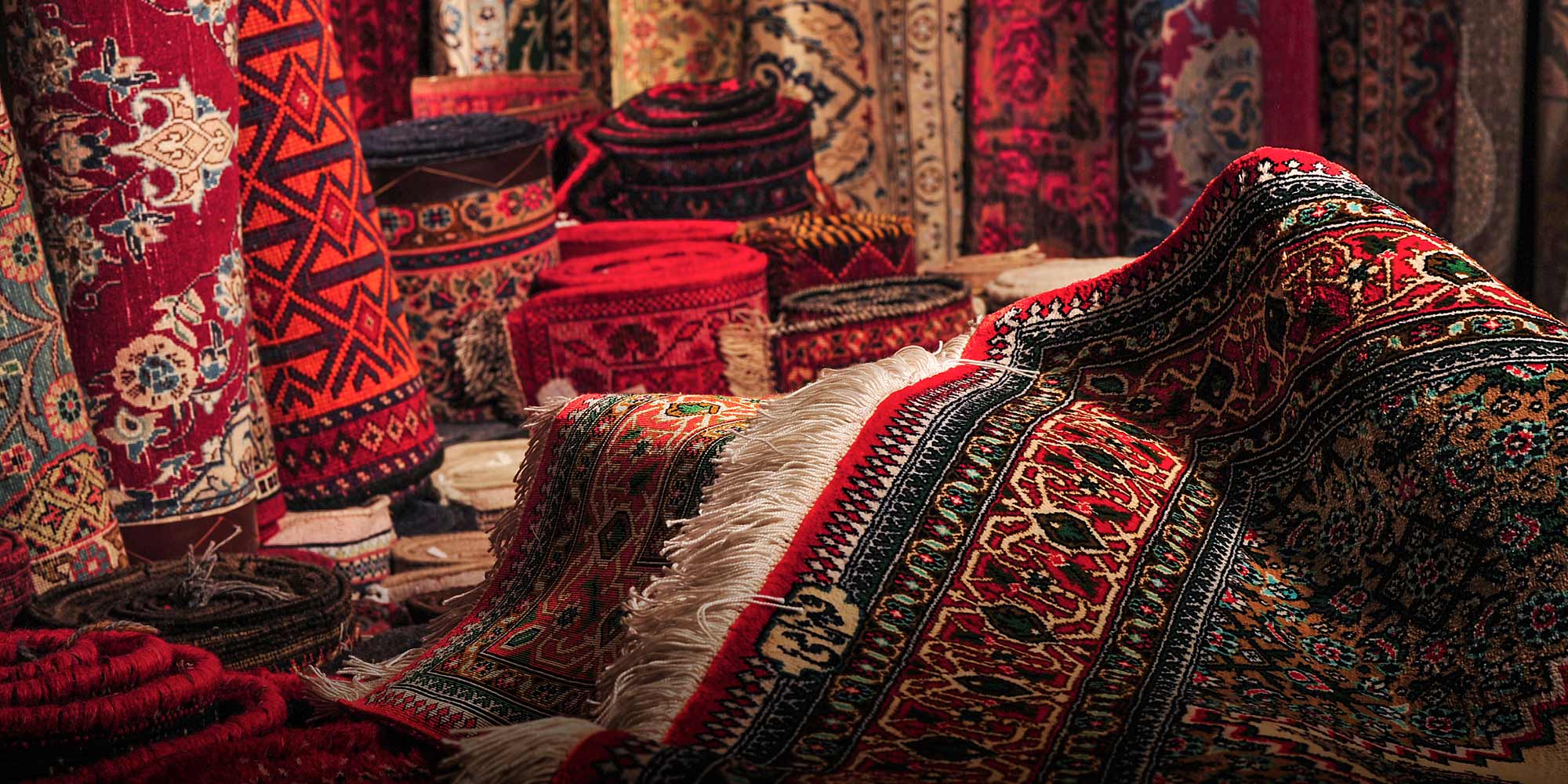
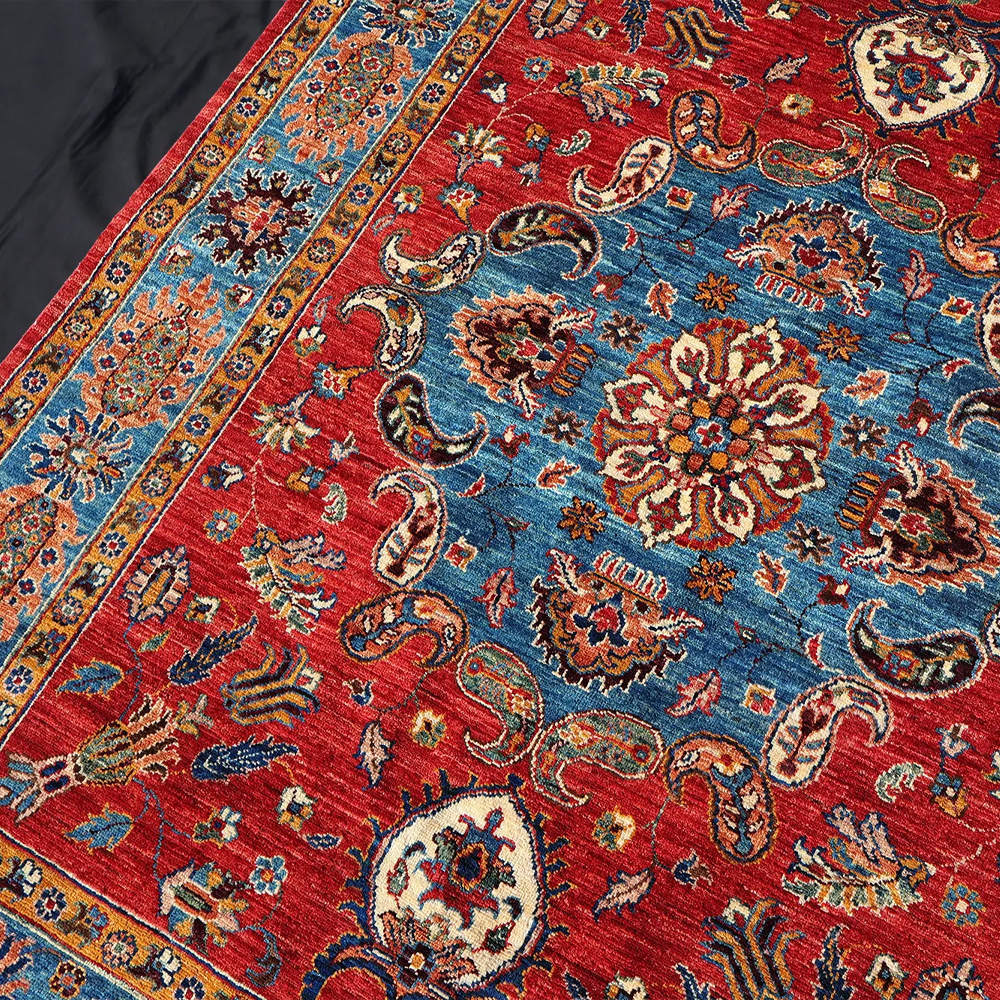
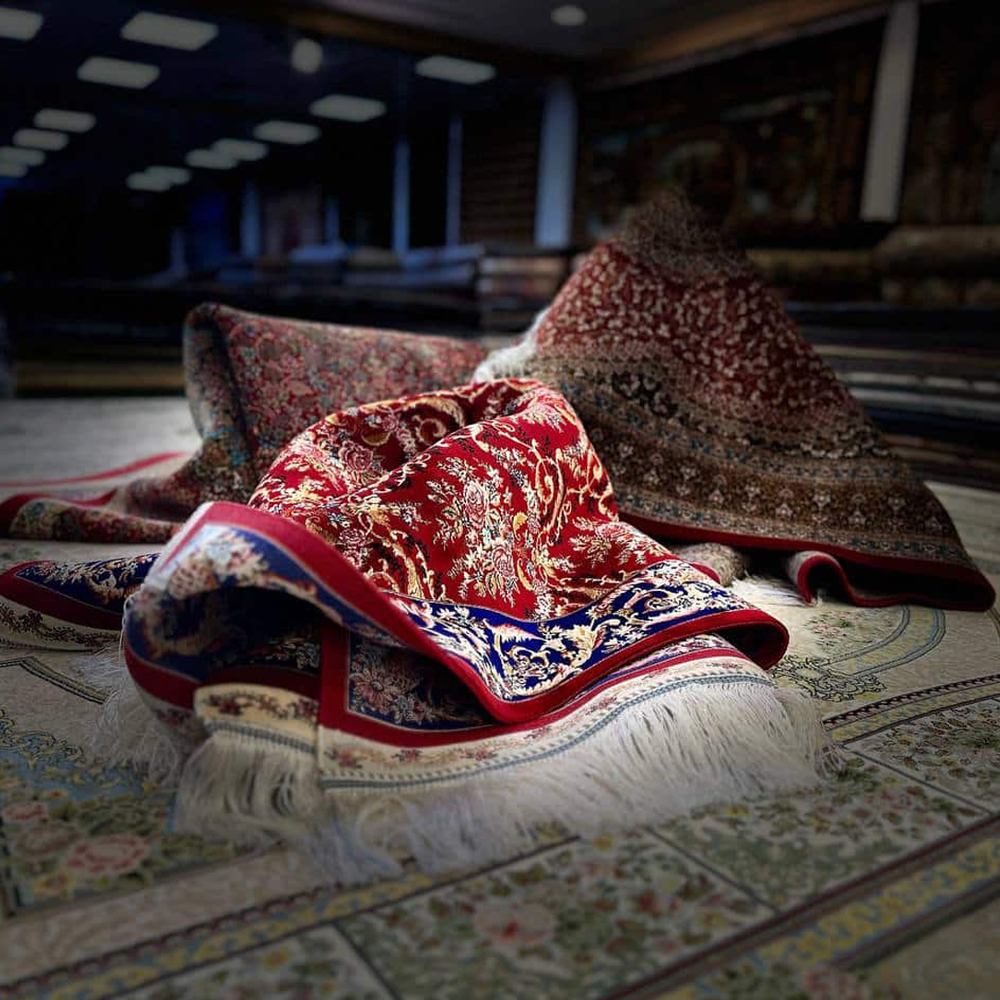
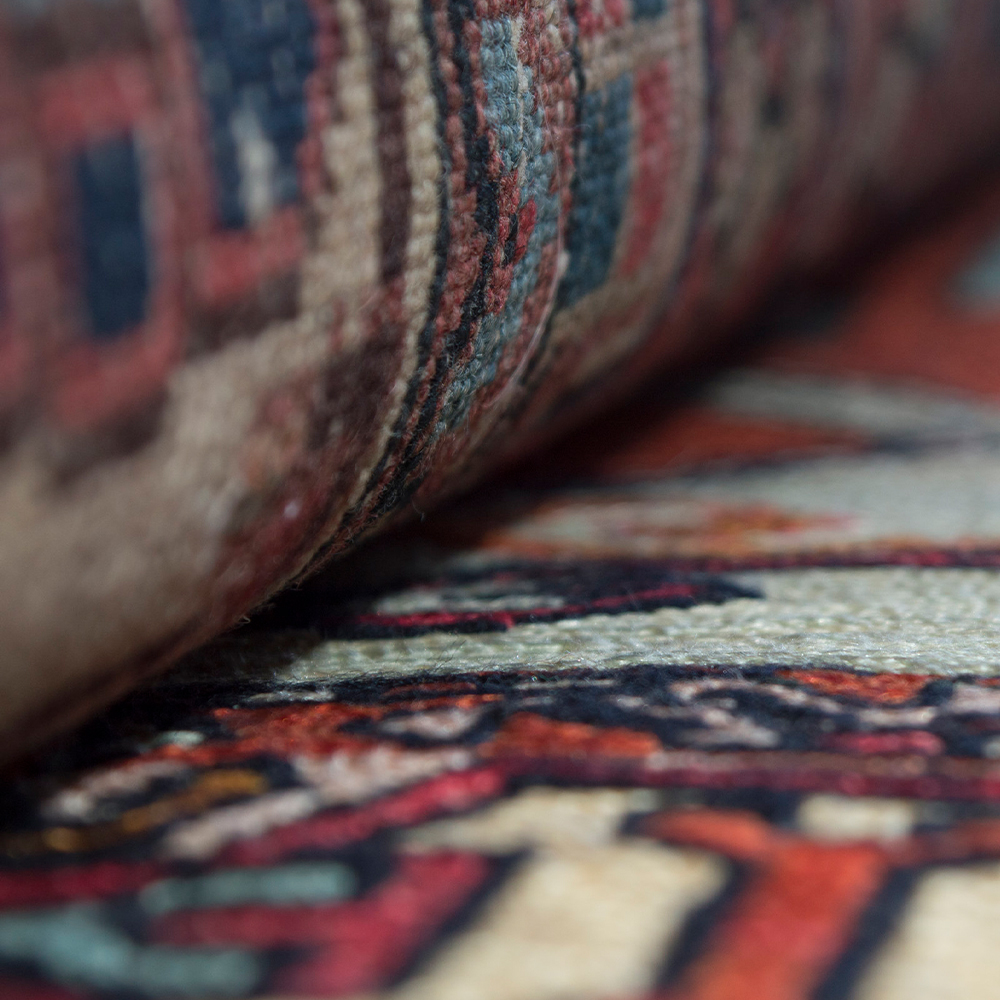
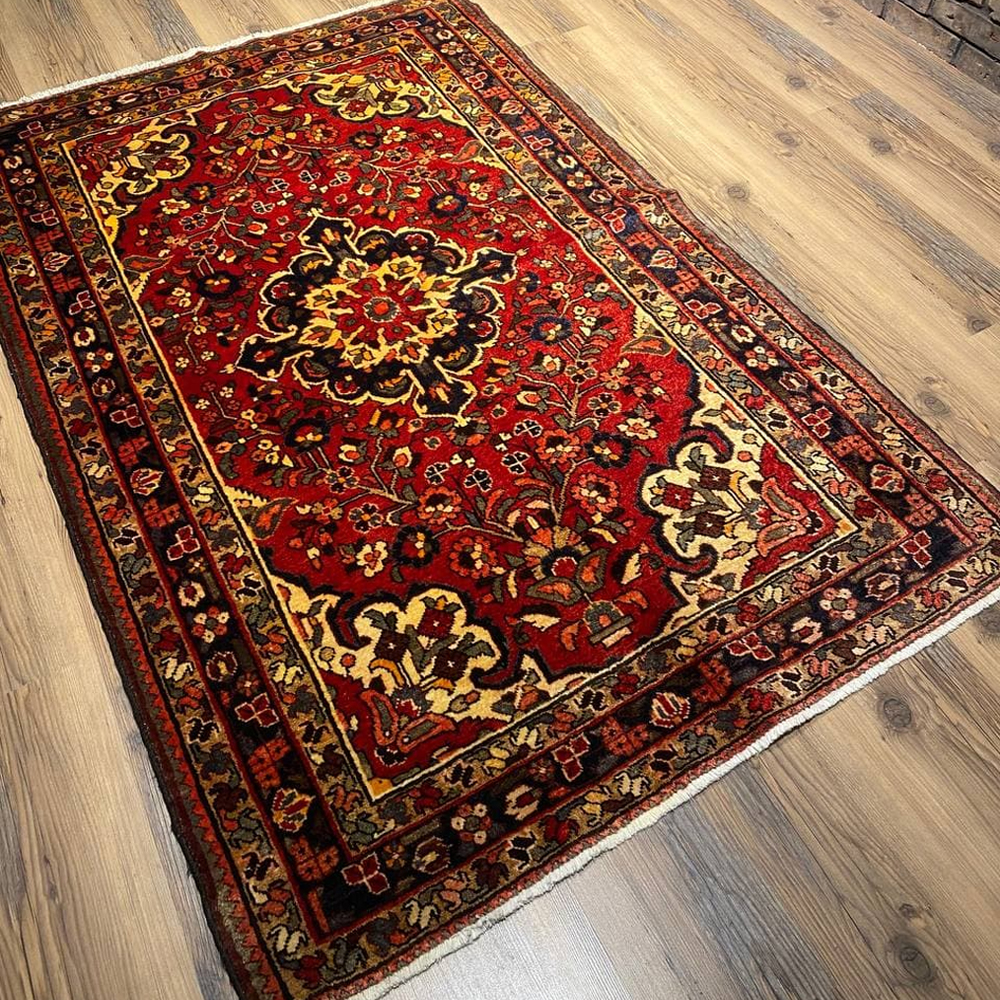
From the dawn of civilization, humans have sought materials to keep themselves safe and comfortable. One of the earliest needs was protection from the cold and heat of the ground on which people sat or slept. The first materials discovered by humans for this purpose were wool, animal hair, and skins.
Gradually, humans learned that by compressing animal wool and hair, they could create thick threads. By knotting these threads together, they invented a rudimentary type of flooring that provided a buffer against the hardness of stones and the temperature extremes of the earth. As these basic skills evolved, spinning and weaving developed into more sophisticated forms. Over time, humans discovered innovative methods to intertwine warp and weft threads, leading to the creation of hand-woven carpets. The earliest handwoven carpets resembled kilims, but eventually, the craft evolved into its distinct art form.
Historical Development
The exact origins of handwoven carpets remain uncertain. However, some historians, such as the Greek historian Xenophon in his book Cyropaedia (430–345 BC), mention that “Persians spread rugs beneath their beds to make their bedding soft.”
Archaeological findings suggest that the oldest hand-knotted oriental carpets, dating back approximately 2,500 years, originated in the region of present-day Iran. These ancient carpets featured a knot density exceeding 300,000 knots per square meter, surpassing the density of most contemporary handmade carpets. Hand-knotted carpets are believed to have originated from nomadic tribes, who transformed wool into the first flat-woven textiles well over 500 years before Christ.
Carpet Styles and Evolution
Today, these flat-woven textiles are known as Kilim rugs and have regained popularity. In ancient times, they likely served as both decoration and blankets. Over centuries, early weaving techniques were refined, leading to the development of intricate knotting methods.
In later periods, the rulers of the Persian Empire and India notably encouraged the art of carpet knotting within their palaces. By the late Middle Ages, they used these exquisite carpets as symbols of prosperity and status. Large, intricately detailed rugs, crafted by multiple artisans over several years, now hold tremendous value. Some of these masterpieces from the 15th and 16th centuries can still be admired in museums today.
The tradition of hand-knotting carpets is deeply rooted in Eastern cultures. The designs and motifs of these carpets typically reflect their regional or national origins. However, with globalization, the distinct characteristics of different regions have become less defined.
Carpet Names and Global Influence
Hand-knotted carpets are often named after their region or country of origin. Important countries known for handmade carpets include Iran, Pakistan, Afghanistan, Turkmenistan, India, China, and the Caucasus. Other countries, such as Turkey, Morocco, and Egypt, also contribute unique styles to the world of handmade carpets.
Nevertheless, the most renowned oriental carpets hail from Persia, present-day Iran. Many styles have originated here, and most carpets are named after their place of origin. Today, famous carpets like Tabriz or Gabbeh are also replicated by hand in India, albeit in a less intricate manner. Oriental rugs from these various regions have once again gained popularity in Western countries.
Our Offer
At ShivaElyaf, we have established strong connections with handmade carpet producers in Iran and other countries in the region. We are ready to offer you the designs and quality you desire.