


Compound & Masterbatch
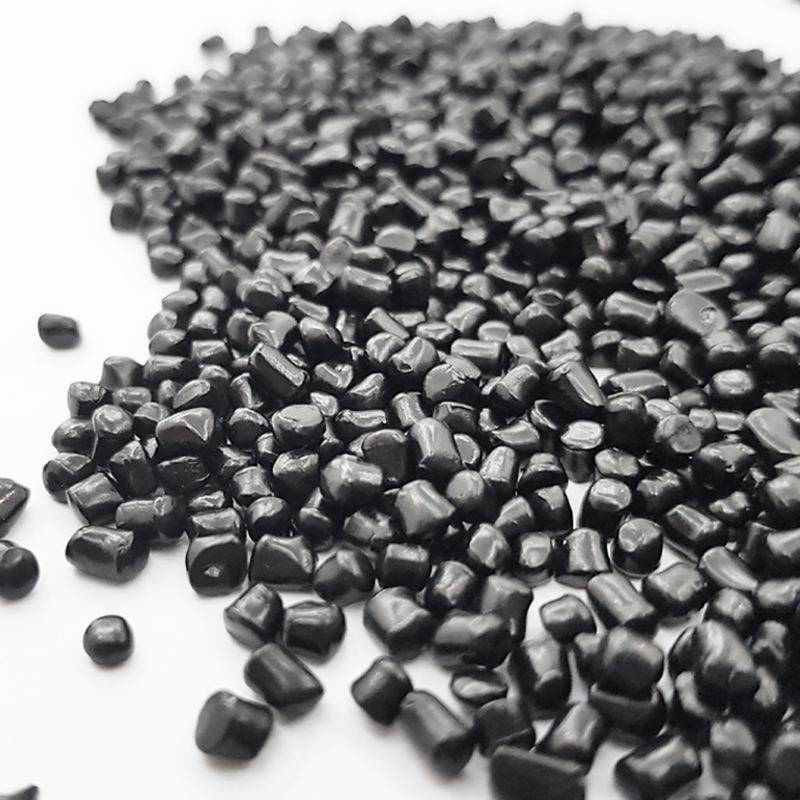
What is a Compound?
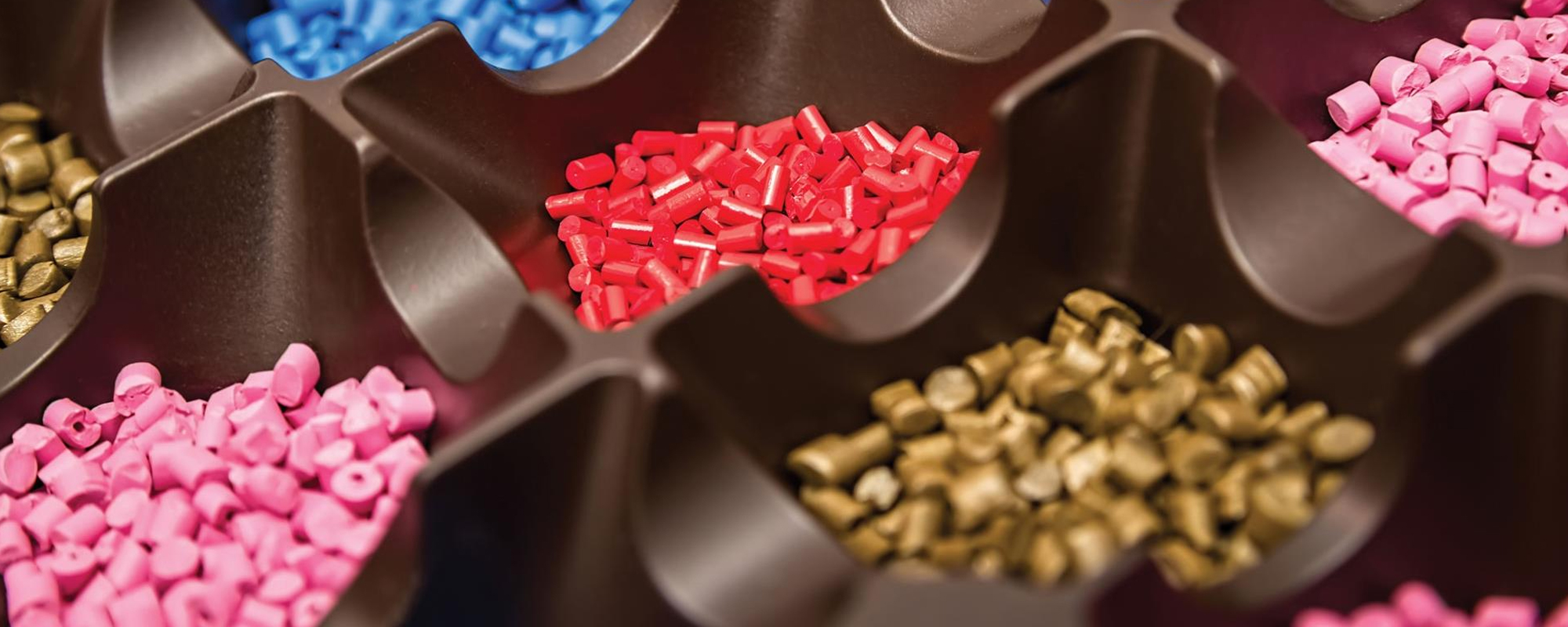
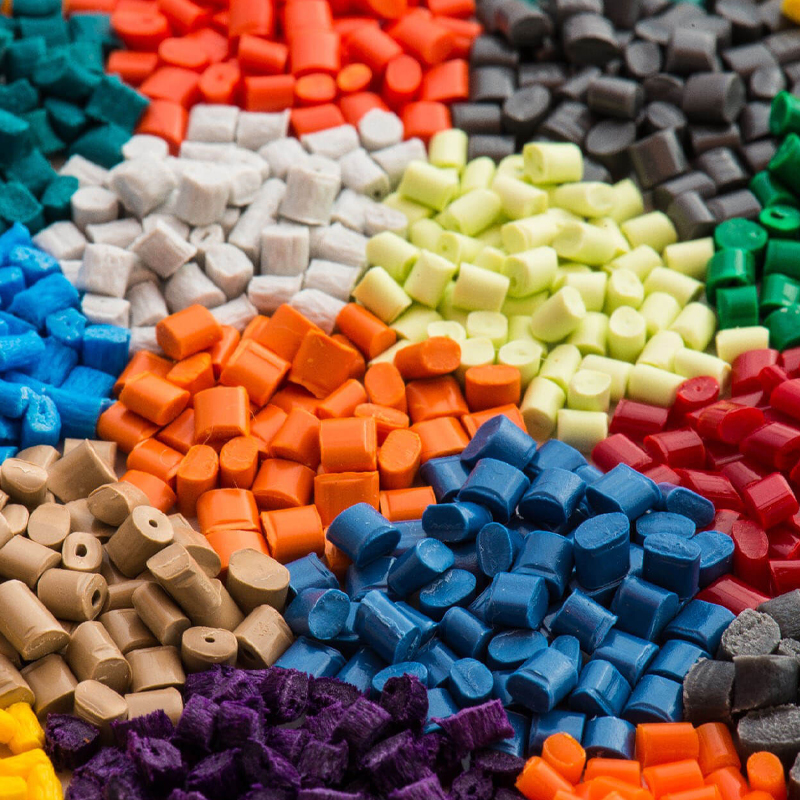
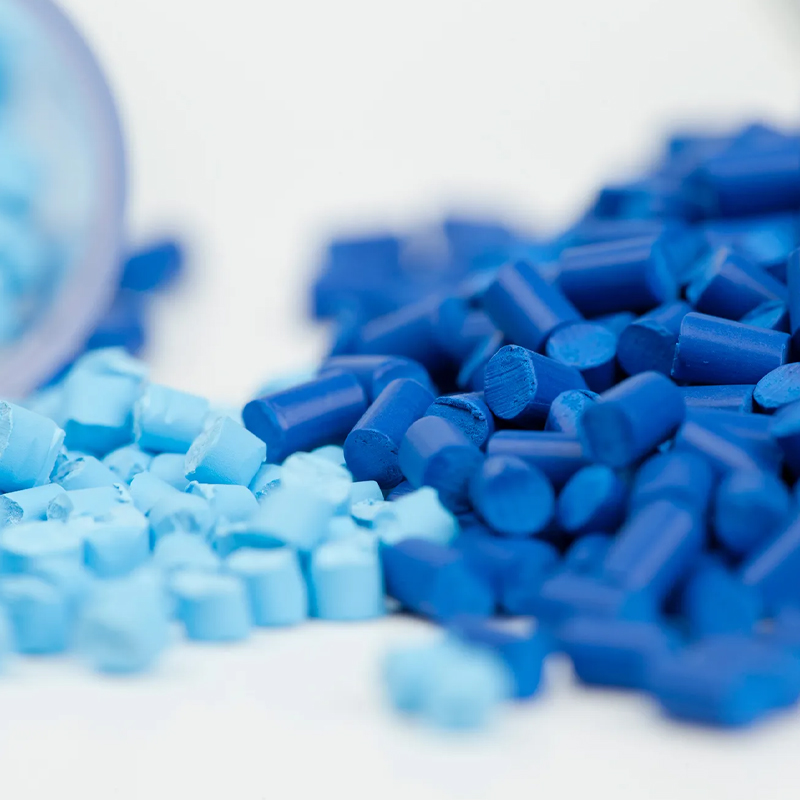
A compound is a mixture of polymeric materials, such as various grades of polyethylene, designed to enhance the physical, mechanical, and thermal properties of raw materials. These compounds are generally produced in granular form and used in various polymer product compositions. Essentially, a compound consists of a blend of different polymer bases with additives to improve the structure and properties of the final product.
Why Do We Use Compounds?
Manufacturers sometimes encounter issues such as weak physical properties, color inconsistencies, or reduced characteristics when producing certain polymer products. Adding compounds during plastic injection and extrusion processes can enhance the chemical properties and reactivity of the product. From an economic and health perspective, using compounds is more cost-effective than using masterbatch, as compounds do not incur additional cleaning and mixture costs.
Structural Features of Polymeric Compounds
Polymeric compounds are composed of three main components designed to enhance product properties: the polymer base, a compatibilizing agent, and other additives. Therefore, compounds should be added to products that already have a polymer base to integrate easily. The second component facilitates compatibility between the compound and the product to ensure uniform blending. Without this, the compound will not evenly disperse within the polymer materials. The third component enhances the properties of the final product, with some types altering the product’s color.
Common Types of Compounds
For many applications, additional materials are added to polymer bases to achieve specific properties. Two of the most common polymeric compounds are polyethylene and polypropylene compounds. When additives are incorporated into polyethylene polymers, the result is a polyethylene compound. Conversely, when additives are added to polypropylene polymers, the outcome is a polypropylene compound.
Different industries utilize polymeric compounds based on their specific application needs. While both compounds are widely used, polyethylene is primarily employed in industries like packaging and automotive, due to its unique properties. Polypropylene is preferred in sectors such as plumbing and household goods.
Polyethylene Compound
Polyethylene compounds are among the most important and practical compound types, widely used in the production of polyethylene pipes for water supply systems. These compounds are composed of industrial waste and other chemical materials and are renowned for their resistance to direct sunlight and mechanical impacts. Despite their high quality, polyethylene compounds are competitively priced. Key grades of polyethylene compounds include:
Low-Density Polyethylene (LDPE): Known for its low tensile strength, LDPE is also flexible and biodegradable by microorganisms.
High-Density Polyethylene (HDPE): Offers greater tensile strength compared to other polyethylenes.
Medium-Density Polyethylene (MDPE): Positioned between HDPE and LDPE in terms of density and polymer structure, MDPE is often used in the production of large storage tanks.
Linear Low-Density Polyethylene (LLDPE): Produced by adding normal butene co-monomer to ethylene during polymerization, LLDPE has superior mechanical properties compared to LDPE, allowing for stronger polymer films.
Ultra-High Molecular Weight Polyethylene (UHMWPE): With a molecular weight between 3 to 6 million, UHMWPE is used in industries like oil and gas for making durable pipes.
Polypropylene Compound
Polypropylene compounds are another popular type of compound used in polymer product manufacturing, characterized by their composite structure. After polyethylene, polypropylene is one of the most consumed compounds, utilized in automotive parts, household appliances, plastic kitchenware, pipes, and fittings.
Glass Fiber Reinforced Compounds
These compounds boast high mechanical and thermal properties, making them ideal for automotive, household, electrical, and electronic industries. They are mainly used in products requiring insulation and protective coatings.
Engineering Polymeric Compounds
Engineering polymeric compounds are designed for specific applications, offering increased mechanical strength and resistance to abrasion, acids, and bases. Products manufactured via plastic injection and extrusion benefit from longer lifespans with the inclusion of engineering compounds. Manufacturers often tailor these compounds to meet customer specifications and user needs.
Rheological Cleaning Compounds
Rheological cleaning compounds are employed for their properties in cleaning cylinders, screws, and dies in extrusion machines. These compounds are used in manufacturing polyethylene films, sheets, pipes, and plastic cartons. They effectively remove impurities and color changes in minimal time, reducing waste in extrusion processes.
Filler Compounds
Filler compounds are produced with varying filler percentages and polymer bases. Their structural formula provides excellent properties to polymer products while reducing the final product’s cost. They are used in extrusion, plastic injection, and thermoforming processes.
Sound Insulation Compounds
Sound insulation compounds are polypropylene-based compounds with high barium sulfate content, used in sewage pipes and building structures requiring soundproofing. Generally, these compounds are employed in insulation products.
Differences Between Polyethylene and Polypropylene Compounds
The two most common polymeric compounds, polyethylene, and polypropylene compounds, exhibit distinct differences:
Ease of Production: Polypropylene is easier to produce than polyethylene.
Rigidity: Polypropylene is stiffer than polyethylene.
Chemical Resistance: Polypropylene has better resistance to organic solvents, acids, and electrolytes compared to polyethylene.
Crack Resistance: Polypropylene has high crack resistance, while polyethylene offers higher elasticity and flexibility.
Printability: Polypropylene films are more printable than polyethylene films.
Environmental Impact: Polyethylene is more biodegradable and recyclable than polypropylene.
Applications of Polyethylene and Polypropylene Compounds
Polyethylene and polypropylene compounds are used in various industries for different products:
Water Supply and Sewage Pipes: Both compounds are used for making water and sewage pipes due to their corrosion resistance, lightweight, and cost-effectiveness. Polyethylene is preferred for high-pressure black pipes.
Construction Industry: Due to properties such as corrosion resistance and durability, polypropylene compounds are used for producing white or green pipes.
Packaging Industry: Both polyethylene and polypropylene compounds are used, but polypropylene’s properties, like better clarity and suitability for food packaging, make it a better choice for specific applications.
Wood-Plastic Composite Flooring: Both compounds are used in building materials. Polyethylene offers high abrasion and impact resistance, while polypropylene provides fatigue resistance and chemical stability.
Other applications include the automotive industry for various parts, the toy industry for producing playthings, and the medical industry for manufacturing laboratory and medical equipment.
What is Masterbatch?
Masterbatch is a solid plastic additive used to color or impart other properties to plastics. This concentrated mixture is obtained by distributing colors and additives in a polymer carrier through a high-shear heat and extrusion process. Once cooled, the mixture is formed into granules.
Masterbatch allows manufacturers to economically color raw polymers during plastic production. It consists of one or more colors and a specific polymer resin carrier. In the plastic industry, masterbatch is known as a composite or calcite.
How is Masterbatch Produced?
Masterbatch is produced either based on established standards or customer-specific requirements. The general production process includes the following steps:
Identifying and weighing necessary pigments and/or additives.
Mixing these pigments and additives with a resin carrier using heat and twin-screw extrusion.
Cooling and forming the concentrated mixture into granules, powder, or other forms.
Final product packaging.
Advantages of Using Masterbatch
Masterbatch offers several advantages over raw pigments, including:
Enhanced Color Clarity: Masterbatch provides superior control over color opacity and transparency compared to raw pigments.
Pre-Determined Additive Ratios: Reducing variance during production.
Improved Consistency: Ensures stable color for large production runs.
Improved Melting Processes: Matching coupling agents in masterbatch with polymers enhances melting.
Reduced Contamination: Unlike raw pigments that can become airborne, masterbatch does not contaminate production lines.
Why Use Masterbatch?
The main reasons for using masterbatch include:
Increased Productivity: Masterbatch can boost volumetric output through thermal conductivity and volumetric expansion.
Cost Savings: With high CaCO3 content, masterbatch reduces energy consumption and production costs.
Enhanced Plastic Properties: Masterbatch improves stiffness, toughness, printability, and adhesion of plastics.
Applications of Masterbatch
Masterbatch is used in products such as thermal sheets, polyester and nylon threads, molding, films, laminates, and non-woven fabrics. Its significant role in plastic and colorant industries is revolutionary, increasing productivity and reducing production costs.
Comparison of Compounds and Masterbatch
Molecular Structure:
While both compounds and masterbatch share similar molecular structures, their differences lie in reactivity, usage proportions, and applications across various industries.
Usage and Functionality:
Compounds: Primarily used when there is a risk of severe reactions between masterbatch and polymeric raw materials in extrusion and film production processes. Compounds are standalone polymeric mixes utilized in plastic manufacturing without additional combinations. They are easier to use, often more hygienic, and more suitable for health-conscious industries.
Masterbatch: Cannot be used alone and requires simultaneous use with polymer bases and other additives. Despite this limitation, masterbatch provides excellent color clarity, consistency, and ease of use in large production runs.
Advantages of Compounds Over Masterbatch:
Ease of Use: Compounds are easier to work with compared to masterbatch.
Safety: Some masterbatches contain hazardous substances, limiting their continuous use.
Quality: Certain production lines may not achieve desired quality with masterbatch alone, necessitating compounds.
Hygiene: Compounds are often more suitable for hygienic industries.
Compatibility: Compounds integrate better with certain polymers, especially in extrusion and film production processes, where masterbatch might react unfavorably.
Overall, both compounds and masterbatch serve crucial roles in enhancing the properties and aesthetics of polymer products. Choosing between the two depends on specific application requirements, desired properties, and production conditions.