


PET
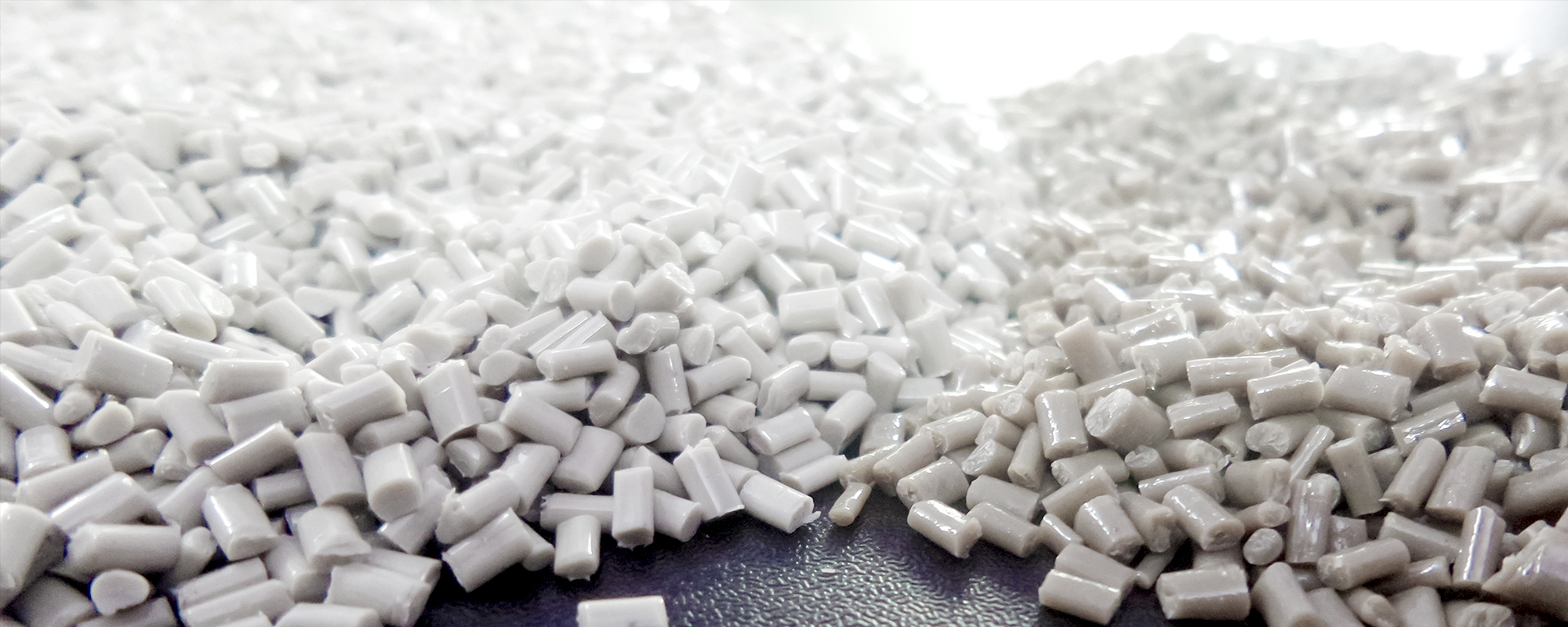
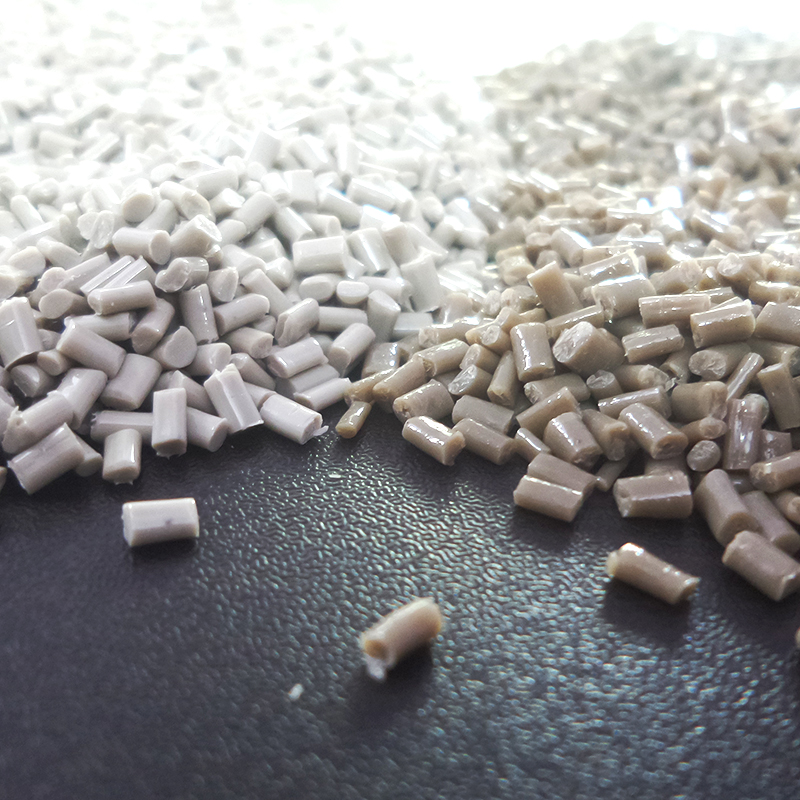
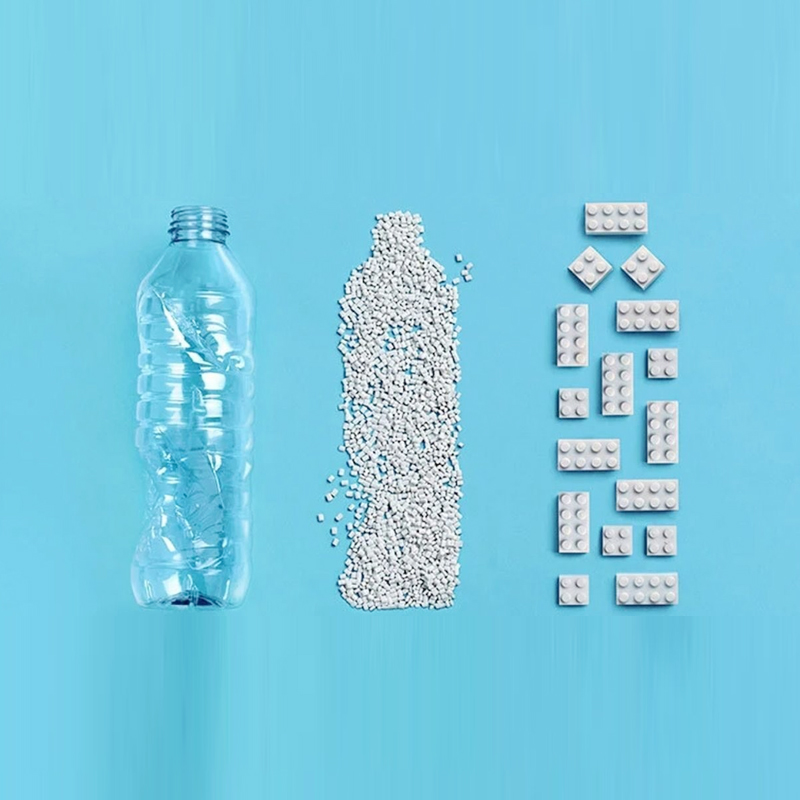
Polyethylene Terephthalate (PET or PETE) is a general-purpose thermoplastic polymer belonging to the polyester family. Polyester resins are renowned for their excellent mechanical, thermal, and chemical properties, alongside their outstanding dimensional stability. PET shares these advantageous qualities.
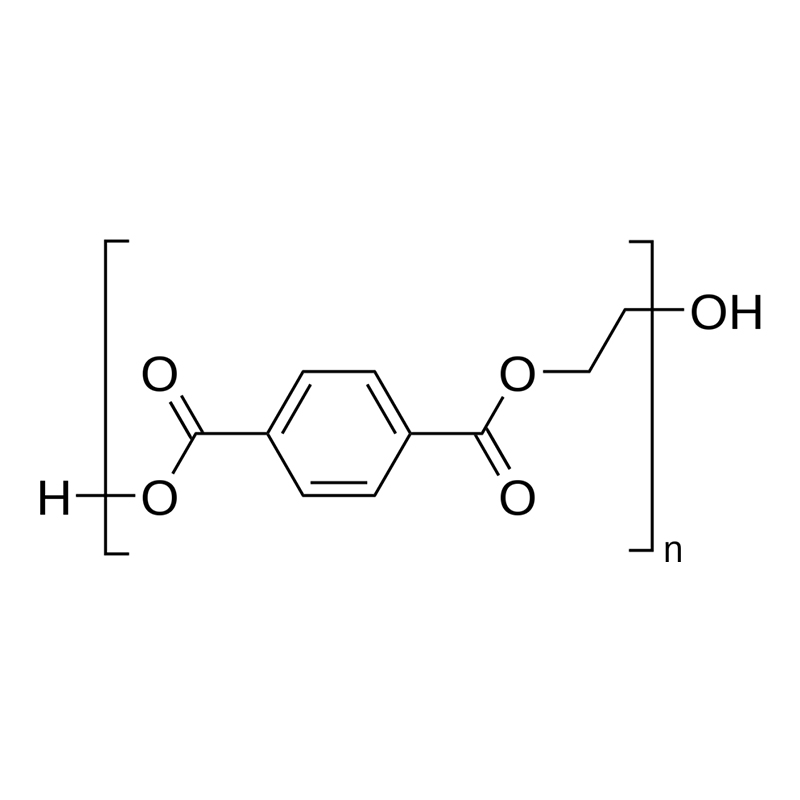
PET is a recyclable thermoplastic with the following structure:
PET can be transformed into fibers, fabrics, packaging sheets, and more. It is naturally very flexible, colorless, and semi-crystalline. Depending on its production process, it can be manufactured as either semi-rigid or rigid. As mentioned, PET possesses good dimensional stability and high impact resistance, and it also shows excellent resistance to moisture, alcohol, and various chemical solvents.
The PET grades available in the market come in forms such as non-reinforced, glass-fiber-reinforced, flame-retardant, and more. Adding fillers like glass fibers, carbon nanotubes, etc., enhances strength and surface finish.
In addition, PET copolymers are available alongside homopolymers. Usually, the homopolymer is modified to produce PET copolymers like PETG or Polyethylene Terephthalate Glycol. Such modifications result in changes in the crystallization and melting temperature of the material.
Advantages and Key Properties of PET (Polyethylene Terephthalate)
Higher Strength and Rigidity: PET exhibits greater strength and stiffness compared to Polybutylene Terephthalate (PBT).
Strong and Lightweight: It is both highly robust and lightweight.
Barrier Properties: It acts as an effective barrier against gas (oxygen, carbon dioxide) and moisture penetration.
Thermal Insulation: It provides excellent thermal insulation properties.
Wide Temperature Range: PET can be used across a broad temperature range (-60 to 130 degrees Celsius).
High HDT Temperature: Compared to PBT, PET has a higher Heat Deflection Temperature (HDT).
Suitable for Transparency: Ideal for applications requiring clarity.
Unbreakable Polymer: PET does not shatter easily and boasts good tear resistance, making it a suitable alternative to glass in certain applications.
Food Safety Compliance: PET is considered safe for food contact per regulations in many countries and organizations.
Excellent Chemical Resistance: PET plastics exhibit strong resistance to alcohols, aliphatic hydrocarbons, oils, and grease.
Moderate Resistance: It shows moderate resistance to aromatic and halogenated hydrocarbons.
Polyethylene Terephthalate (PET) Specifications Table
Property | Value |
Shrinkage | 0.2-3% |
Water Absorption (24 hours) | 0.1-0.2% |
Arc Resistance | 75-125 seconds |
Flammability (UL94) | HB |
Tensile Strength at Break | 40-70 MPa |
Tensile Strength at Yield | 50-57 MPa |
Elongation at Break | 30-70% |
Elongation at Yield | 3-5% |
Shore D Hardness | 85-95 |
Rockwell M Hardness | 50-100 |
Flexural Modulus | 2.8-3.5 GPa |
Young’s Modulus | 2.8-5 GPa |
Density | 1.3-1.4 g/cm³ |
HDT at 0.46 MPa Stress | 75-115 °C |
HDT at 1.8 MPa Stress | 65-80 °C |
Maximum Service Temperature | 80-140 °C |
Minimum Service Temperature | -40 °C |
Limitations and Disadvantages of PET (Polyethylene Terephthalate)
Lower Impact Strength: PET has a lower impact strength compared to PBT.
Slower Crystallization Rate: This leads to poorer moldability than PBT.
Susceptibility to Boiling Water: Boiling water can adversely affect PET.
Weakness Against Strong Bases: PET is vulnerable to strong alkalis.
Degradation at High Temperatures: PET is susceptible to degradation when exposed to ketones, aromatic hydrocarbons, and halogenated hydrocarbons above 60 degrees Celsius.
Alloying PET with Other Polymers
Alloying PET with thermoplastics and thermosets can produce materials with improved performance and properties for specific applications at lower costs. Polymers commonly alloyed with PET include polyethylene, polypropylene, polycarbonate, polystyrene, ethylene-vinyl acetate, ABS, and thermosets such as epoxy, polyester resin, and phenolic resin.
PET alloys reinforced with polyolefins and fibers are frequently used in automotive injection molding components. Additionally, PET/PC alloys are utilized where combining excellent stiffness, heat and chemical resistance, impact resistance, and high tensile and flexural strength is necessary.
Alloying PET with thermosets also aims to enhance thermal, mechanical, impact, and flammability properties. These alloys are applicable in the automotive, aerospace, and electronics industries.
Primary Applications of PET (Polyethylene Terephthalate)
PET is extensively used in various packaging forms across different industries, as highlighted below:
Plastic Bottles: Commonly used for beverages, mineral water bottles, and more, due to their resistance to water and moisture penetration.
PET Films: Used for producing plastic strips because of their high mechanical strength.
Food Packaging: Employed due to its hygienic nature, chemical resistance, and other physical properties.
Disposable Packaging: PET sheets are used in producing various disposable items like trays, packaging containers, plates, etc., through thermoforming and vacuum forming.
Textiles and Fabrics
PET monofilaments are used in producing fibers for textiles and are extensively used in filter fabrics and the broader textile industry. PET has numerous applications in the textile industry, owing to its strong, lightweight, tear-resistant, and stretchable polyester fibers, making it widely used in fabrics and textiles.
Electrical and Electronics Industry
PET is commonly used in the electrical and electronics industries due to its excellent electrical insulation properties, outstanding dimensional stability, and high strength. PET is an effective polymer for replacing existing insulators in this sector.
Automotive Industry
Polyethylene Terephthalate (PET) is a successful polymer in the automotive industry, with various applications, including wiper blades, gearboxes, headlamp clips, engine covers, and more.
Production of Polyethylene Terephthalate
How is PET Manufactured?
PET is an aliphatic polyester produced through the condensation reaction between the following monomers:
Terephthalic Acid (PTA) and Ethylene Glycol:
Dimethyl Terephthalate (DMT) and Ethylene Glycol:
The reaction product is a viscous PET melt that can be easily drawn into fibers, extruded, or subjected to injection molding.
Processing and Shaping of PET
PET can be easily shaped using injection molding, extrusion, blow molding, and thermoforming processes.
Polyethylene Terephthalate (PET) is generally extruded to produce sheets and films. These sheets are later used in thermoforming processes or blow molding to produce preforms and plastic bottles.
Before processing, PET must be dried for 2-4 hours at 120 degrees Celsius.
PET Blow Molding Process
Production of Transparent Bottles: The mold temperature should be between 10 and 50 degrees Celsius.
PET Injection Molding
Melt Temperature: 280-310 degrees Celsius
Mold Temperature for Crystalline PET (Opaque): 140-160 degrees Celsius
Mold Temperature for Amorphous PET (Transparent): 10-50 degrees Celsius
Screw L/D Ratio: Recommended range is 18-22
PET Extrusion
Applications: Used for film and sheet production.
Extrusion Temperature Range: 270-290 degrees Celsius
Recycling PET
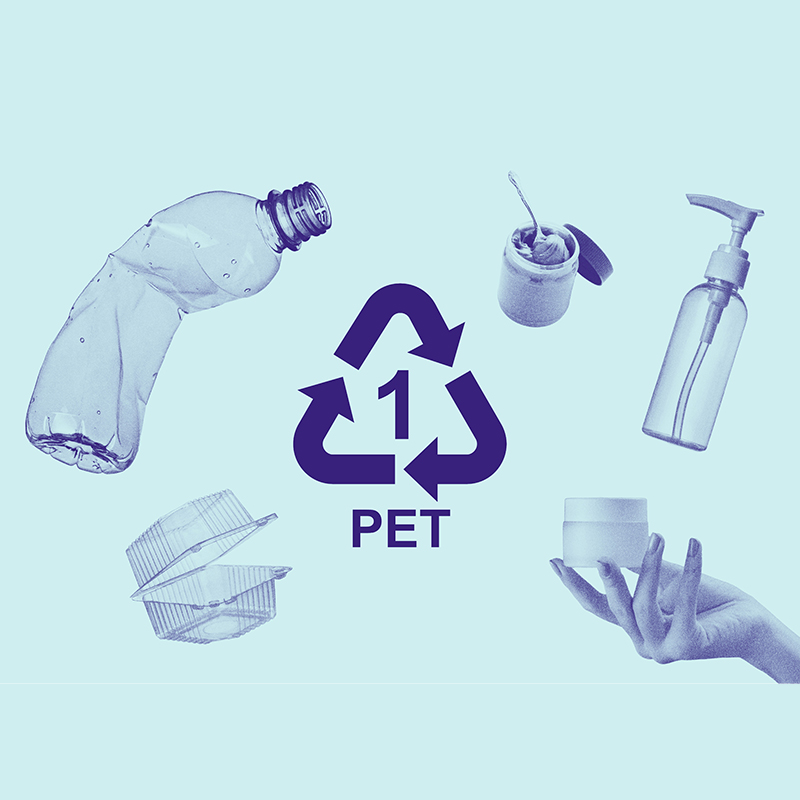
Products made from Polyethylene Terephthalate (PET) are 100% recyclable, and PET is the most recycled plastic worldwide. The recycling symbol for PET is number 1.
PET bottles and other used PET products are collected, and a washing process is conducted. If necessary, chemical modifications are performed to break PET into smaller pieces. After these chemical modifications, all volatile materials and impurities must be removed.