


Polystyrene
Polystyrene is a thermoplastic made from the monomer styrene. Its structure is as follows:
In the industry, three types of polystyrene are used, categorized as follows:
General Purpose Polystyrene (GPPS), also known as Crystal Polystyrene.
Expanded Polystyrene (EPS).
High Impact Polystyrene (HIPS).
Properties and Characteristics of GPPS
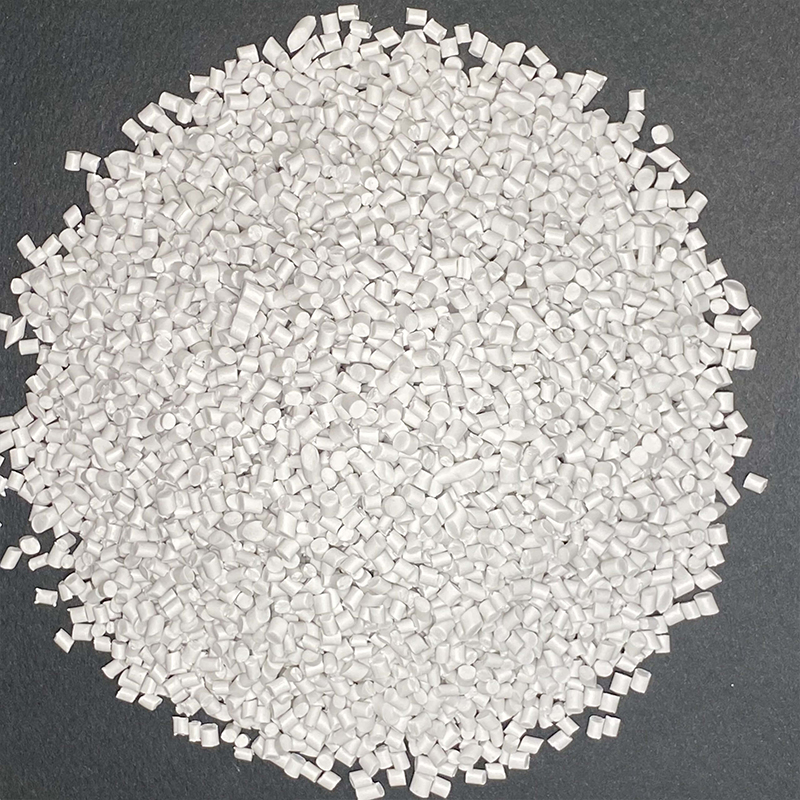
GPPS, also known as OPS (Oriented Polystyrene), is produced from the homopolymerization of styrene. This polymer is hard, strong, glass-like, glossy, and transparent. It has good tensile and flexural strength, excellent dimensional stability, and good resistance to water and organic chemicals. It can be colored, extruded, and molded into various shapes.
GPPS is primarily used in injection molding. Its most significant applications are in packaging, optics, pharmaceuticals, and other industries.
Table of Advantages and Limitations of GPPS:
Advantages of GPPS | Limitations of GPPS |
Low cost | Brittle at room temperature |
Transparency | Poor mechanical properties above 70°C |
High stiffness | Poor chemical resistance, especially to organic solvents |
Good dimensional stability | UV sensitivity |
Good electrical properties | High flammability |
Gamma radiation resistance | |
FDA compliance |
Applications of GPPS:
Packaging: GPPS is widely used in packaging due to its low cost, ease of processing, food contact capability, recyclability, and high hardness.
Pharmaceuticals and Healthcare: GPPS is used to manufacture small items like petri dishes, test tubes, pipettes, emergency tools, etc., due to its low cost, processability, transparency, and good chemical resistance.
Consumer Goods: GPPS is used in everyday items like cutlery, disposable containers, shower enclosures, and lamp housings due to its cost, processability, availability in various colors, and recyclability.
Optics: GPPS is used in optical applications like light diffusers due to its transparency and ease of processing.
Processing of GPPS:
GPPS can be processed using all techniques applicable to thermoplastics. Pre-drying is usually not required, but for applications needing very high gloss and transparency, drying at 80°C for 2 hours can be done.
Injection Molding of GPPS:
Recommended melt temperature for GPPS: 180-280°C
Generally, the mold temperature should be 30-50°C, but for thin-walled products, it can be reduced by 10°C.
Mold shrinkage for GPPS ranges from 0.4% to 0.7%, depending on the GPPS grade used.
Extrusion of GPPS:
Grades with high viscosity (low MFR) are suitable for extrusion.
Recommended melt temperature: 180-220°C.
Everything About Expanded Polystyrene (EPS)
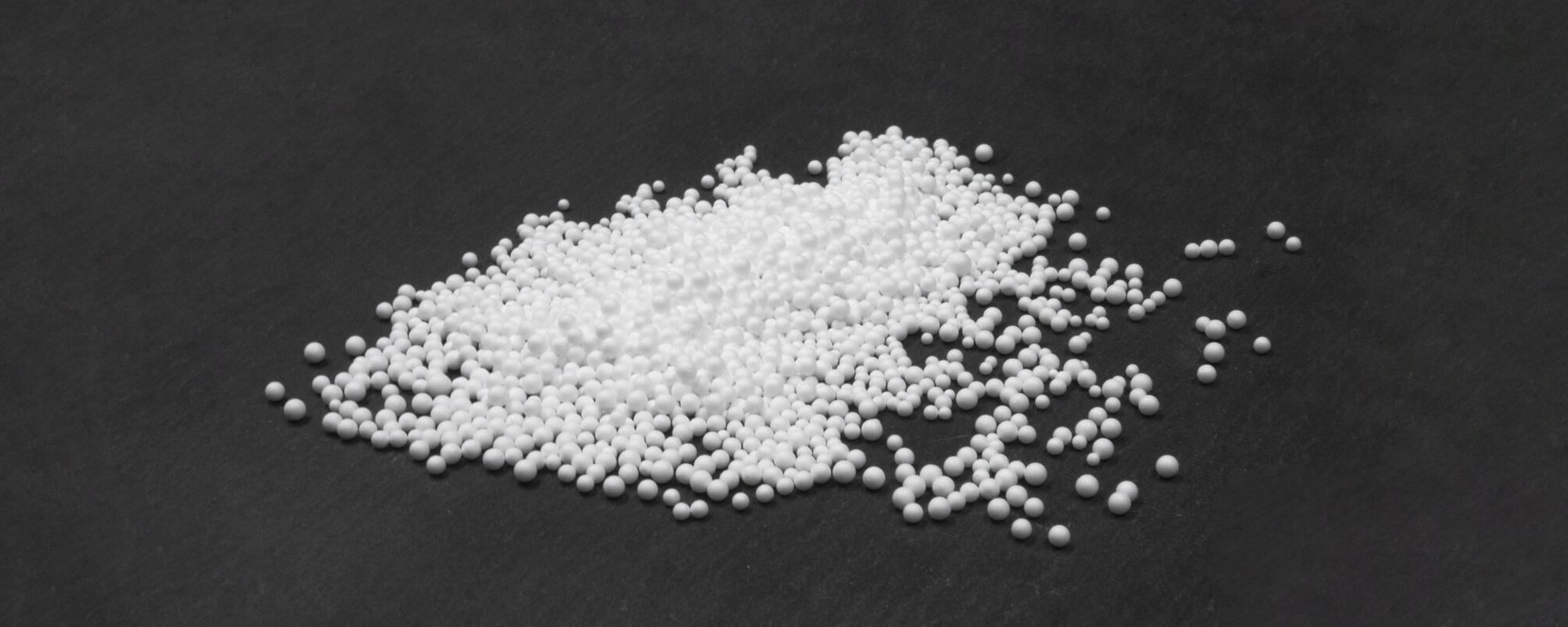
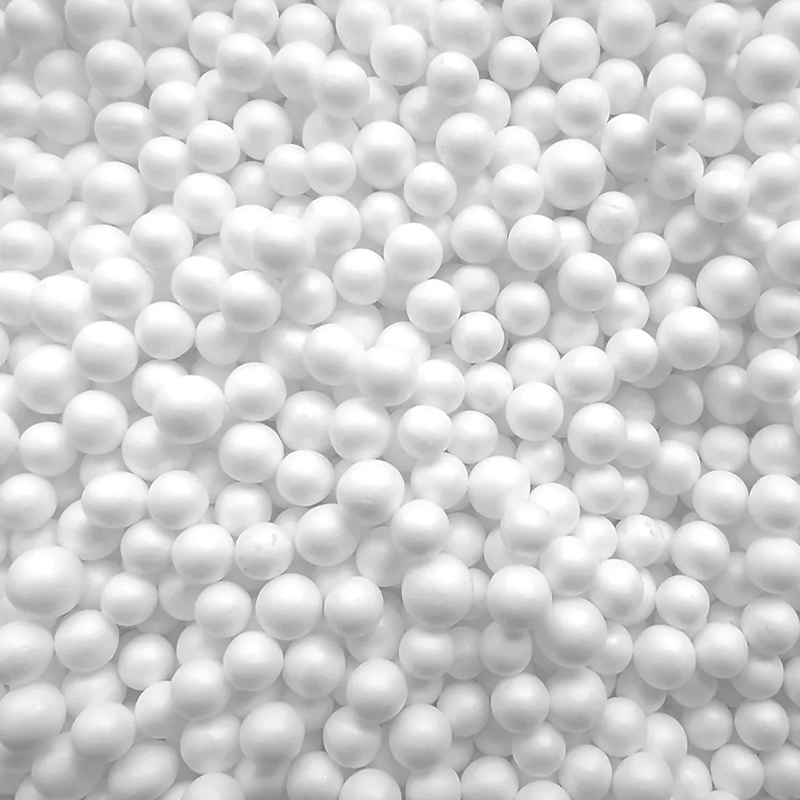
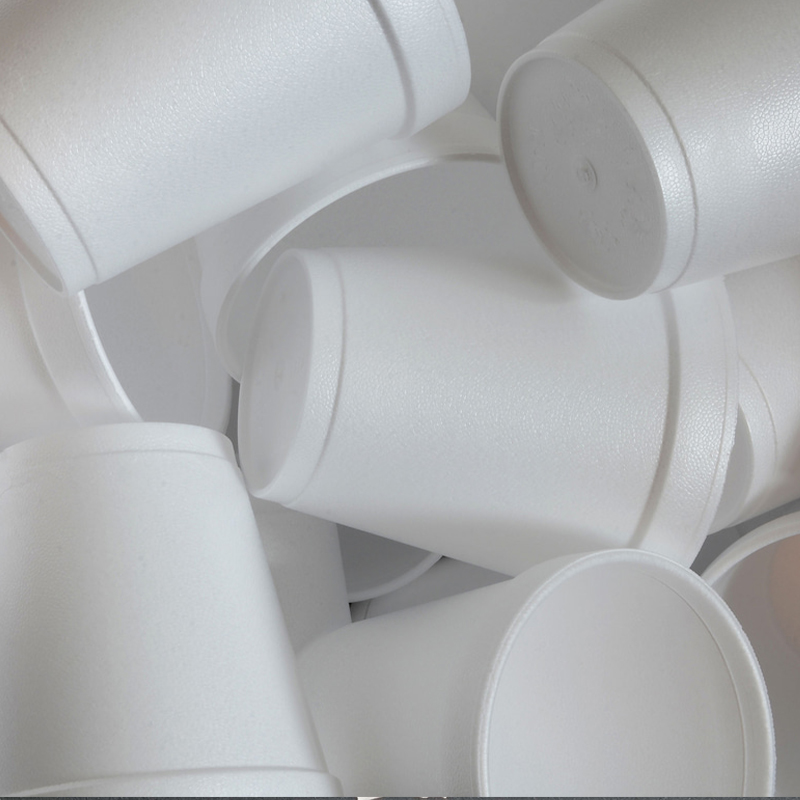
Expanded Polystyrene (EPS) is a type of polystyrene that is used to produce white foam products, commonly used in packaging and building insulation. EPS granules consist of two parts: a styrene component forming the cell structure and a pentane gas component acting as a blowing agent.
EPS is very lightweight with very low thermal conductivity and low moisture absorption. A significant drawback of EPS is its low operating temperature (around 80°C). EPS consists of 98% air and is fully recyclable.
EPS Manufacturing Process:
EPS production involves three stages: pre-expansion, stabilization, and molding. Styrene beads are mixed with the blowing agent pentane and expanded at temperatures above 90°C, causing the beads to increase in size by 20-50 times. After this, the beads are kept for 6-12 hours to stabilize. They are then molded into the final product. Depending on the application, additives like flame retardants may be included in the final stage.
Key Properties and Characteristics of EPS:
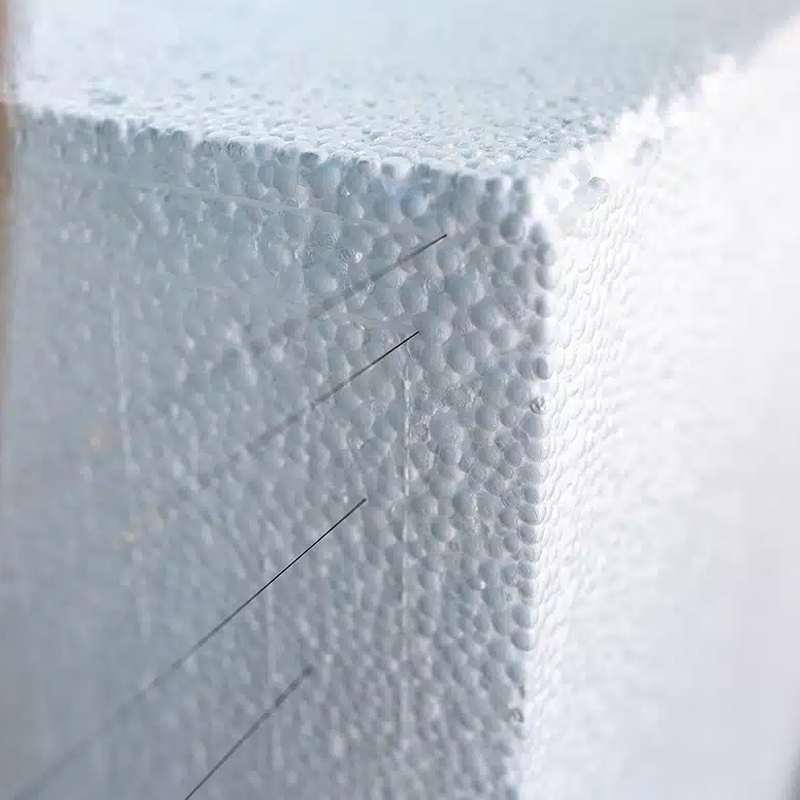
EPS is a very lightweight polymer with excellent thermal insulation properties. It helps prevent energy loss, is chemically inert, resistant to bacterial attacks, cost-effective, and offers high impact resistance and dimensional stability. EPS has very low thermal conductivity due to its closed-cell structure, high compressive strength, low density, and excellent dimensional stability. Even when submerged in water, it absorbs minimal water. EPS is resistant to aging and weather conditions, though it can yellow under direct UV light.
Applications of EPS:
Building Industry: Due to its insulating properties, chemical inertness, and resistance to bacteria and pests, EPS is widely used in construction. Its closed-cell structure allows minimal water absorption, making it durable and effective for insulation in walls, roofs, and floors. Benefits include energy consumption reduction, recyclability, and improved indoor air quality.
Food Packaging: EPS is used to create sheets and trays, which are processed into packaging items using techniques like thermoforming and vacuum forming.
Other Applications: EPS is also used in products like sports helmets, infant car seats, and automotive seat cushions.
Everything About High Impact Polystyrene (HIPS)
High Impact Polystyrene (HIPS) is an economical, versatile polymer with good impact resistance and dimensional stability. HIPS is easily moldable, has high gloss, and is colorable. Its flexibility, impact resistance, ease of machining, and low cost makes it highly desirable.
Table of Advantages and Limitations of HIPS:
Advantages of HIPS | Limitations of HIPS |
Tougher than GPPS | Less transparency compared to GPPS |
Low cost | Weaker electrical properties compared to GPPS |
Good dimensional stability | Poor chemical resistance, especially to organic solvents |
Good electrical properties | UV sensitivity |
Gamma radiation resistance | High flammability and smoke production |
Good processability | |
FDA compliance |
Applications of HIPS:
Food Packaging: Used in dairy packaging, meat and poultry trays, plastic cartons, etc., due to its low cost, ease of processing, recyclability, hardness, and impact resistance.
Electronics and Appliances: Used for TV and computer housings, freezer and refrigerator liners, etc., due to its good impact strength, low cost, processability, and finishing.
Medical and Hygiene: Used in medical and pharmaceutical products like waste containers, petri dishes, etc.
Global Production
According to online sources, global production of various polystyrene types was approximately 15 million tons annually in 2022. New innovations, such as using EPS in construction, are expected to increase production and consumption forecasts.
China is the largest producer of polystyrene globally, and Asia as a continent is the leading producer of polymers, accounting for 55.1% of total production. Asia is also the largest consumer, followed by North America with 17% and Europe with 16.3%.
Major Global Polystyrene Producers:
Formosa Chemicals & Fibre Corp
BASF SE
Versalis S.P.A
Total
Americas Styrenics LLC
LG Chem
Innova
Alpek S.A.B. de C.V.
Synthos
Chi Mei Corporation
Trinseo
Kumho Petrochemical
SABIC
Ineos Styrolution Group GmbH
ACH Foam Technologies, Inc.
Production in Iran
According to the Petrochemical Industry Employers’ Association, until 2017, Petrochemical Tabriz was the sole producer of general-purpose, impact-resistant, and regular polystyrene, fulfilling the needs of packaging and household industries.
Before 2017, approximately 50,000 tons of various polystyrene grades were imported annually. With the commissioning of two new petrochemical complexes (Petrochemical Elective with a capacity of 250,000 tons and Petrochemical Takht Jamshid Pars with a capacity of 55,000 tons), the need for imports was expected to decrease.
Currently, installed production capacity is around 800,000 tons per year, though active capacity is less due to production issues. The major producers in Iran are:
Petrochemical Elective – EPS – 250,000 tons/year
Petrochemical Tabriz – GPPS and HIPS – 130,000 tons/year
Petrochemical Takht Jamshid Pars – GPPS – 100,000 tons/year
Polystyrene Sahand – EPS – 60,000 tons/year
Mohib Polymer Qom – GPPS and HIPS – 35,000 tons/year