


PVC


Polyvinyl Chloride (PVC)
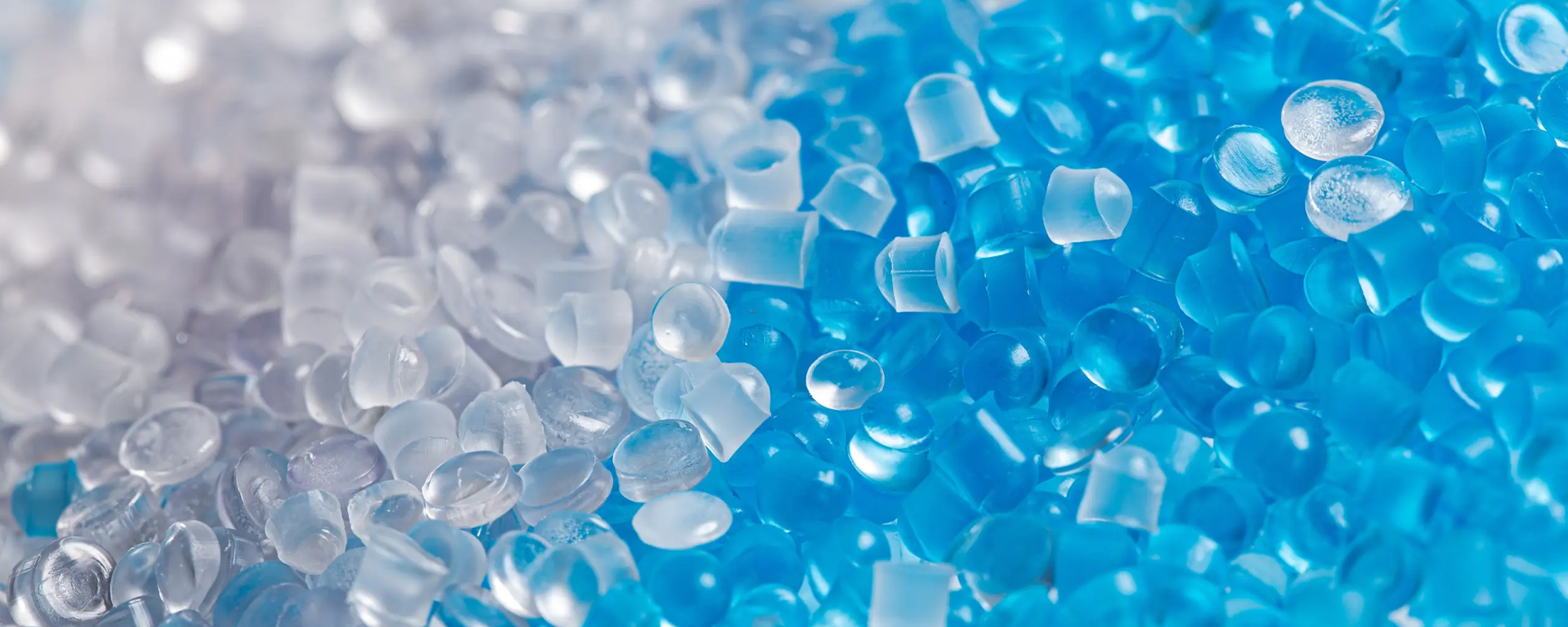
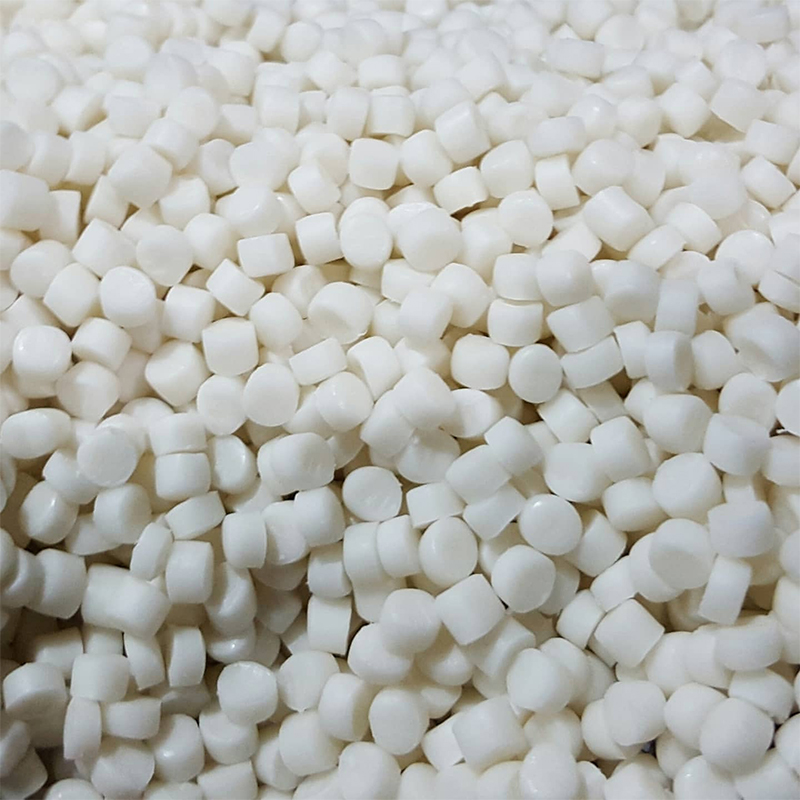
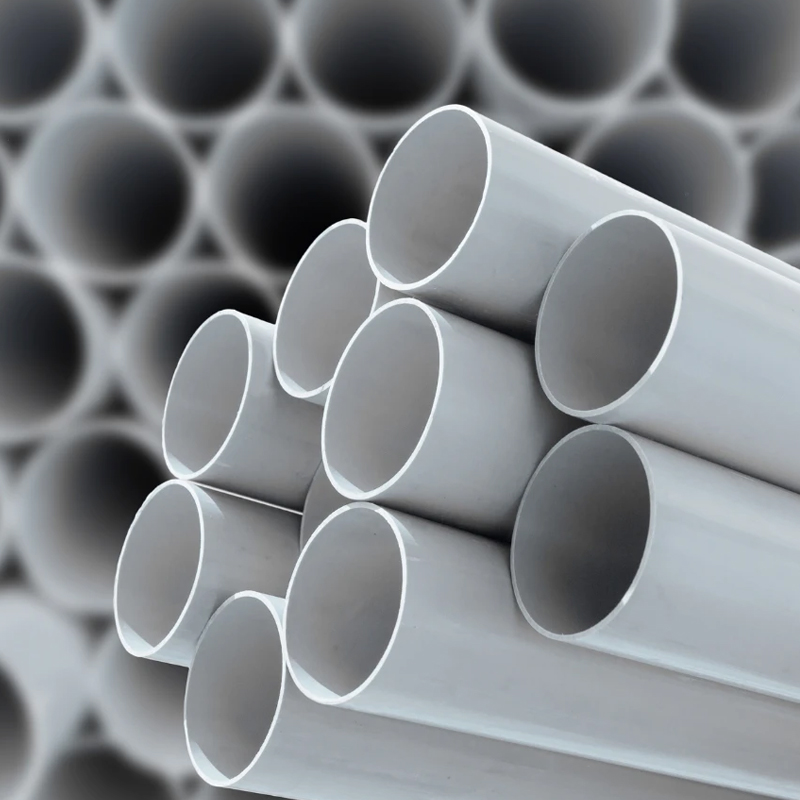
Polyvinyl Chloride (PVC) is a versatile thermoplastic polymer commonly used in a wide range of plastic products. You might recognize it from its most famous applications, such as PVC pipes (also known as Polika pipes) and UPVC (Unplasticized Polyvinyl Chloride) doors and windows. PVC’s primary applications include the production of profiles, pipes, rigid films, bottles, cables, and more. Its extensive use makes it one of the most utilized polymer materials after polyethylene and polypropylene.
What is PVC?
PVC is a thermoplastic material made from PVC resin combined with various stabilizers, lubricants, fillers, pigments, plasticizers, and processing aids. The specific combinations of these additives are designed to achieve distinct properties for different applications, though the predominant component in any mixture is PVC resin.
The technical term PVC in organic chemistry stands for Polyvinyl Chloride—a polymer composed of chain-like molecules of vinyl chloride. In everyday language, it is simply referred to as PVC.
Types of PVC
UPVC (Unplasticized PVC): This type is rigid and does not contain plasticizers. It is known for its high strength and durability. It can be modified with other resins or modifiers (like ABS, CPE, or acrylics) to enhance impact resistance, resulting in what is known as Modified PVC (PVC-M).
Flexible PVC: Produced by adding plasticizers, flexible PVC has a lower hardness and higher impact strength. It is easier to extrude and mold but has lower thermal resistance and less chemical resistance compared to rigid types.
CPVC (Chlorinated PVC): This variant has higher chlorine content and can withstand higher temperatures, up to 95°C. It shares many properties with UPVC but is designed for higher thermal performance.
PVC-O (Oriented PVC): Sometimes called High Strength PVC (HSPVC), PVC-O is produced through a process that aligns PVC molecules in a specific direction, significantly improving tensile strength. This orientation results in enhanced properties, such as up to twice the tensile strength of UPVC, and is used in high-pressure applications.
Mechanical Properties
PVC, like other thermoplastics, exhibits stress/strain responses that depend on both time and temperature. Upon application of a constant load, PVC demonstrates both immediate elastic recovery and slower, long-term deformation known as creep. Creep rates increase with higher temperatures. PVC is considered viscoelastic, meaning its behavior changes over time and temperature.
Market Trends and Applications
The global PVC market is projected to grow from $82.46 billion in 2022 to $89.02 billion in 2023, with a Compound Annual Growth Rate (CAGR) of 7.9%. The market is expected to reach $119.4 billion by 2027, growing at a CAGR of 7.6%.
PVC is widely used in construction, electrical insulation, and transparent bottles. The main types of PVC products include rigid, flexible, and chlorinated PVC. Rigid PVC is cost-effective and strong, making it suitable for pipes, fittings, and sheets. The Asia-Pacific region leads the PVC market, with significant production and consumption in China, India, Japan, and South Korea. North America and Europe also hold substantial shares of the market.
PVC Production and Consumption in Iran
In Iran, PVC production began in 1966 with the establishment of the Abadan Petrochemical Complex. The country’s production is approximately 587,000 tons, while domestic demand is around 420,000 tons annually. Major producers include Kharg Petrochemical Complex (Arvand and Bandar Imam) and Tabriz Petrochemical Complex (Ghadir and Abadan). Iran exports 25-30% of its PVC production, with India being the largest importer.
Major PVC Producers in Iran
Kharg Petrochemical Complex: Includes Arvand and Bandar Imam, producing 340,000 tons of PVC and 600,000 tons of caustic soda.
Tabriz Petrochemical Complex: Includes Ghadir and Abadan, producing 120,000 tons of PVC annually.
These producers together account for a total PVC production capacity of 745,000 tons, with market shares distributed as follows: Arvand (46%), Bandar Imam (23%), Ghadir (16%), and Abadan (15%).