


Carbon
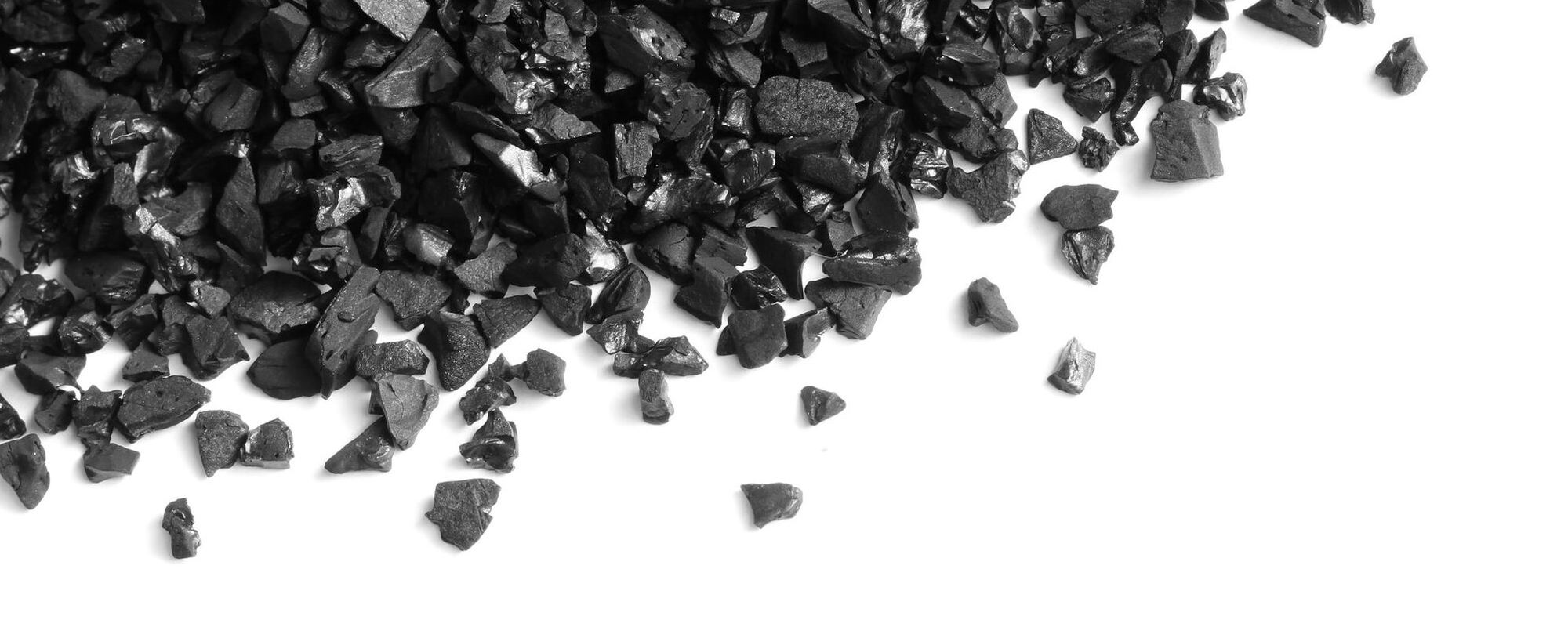
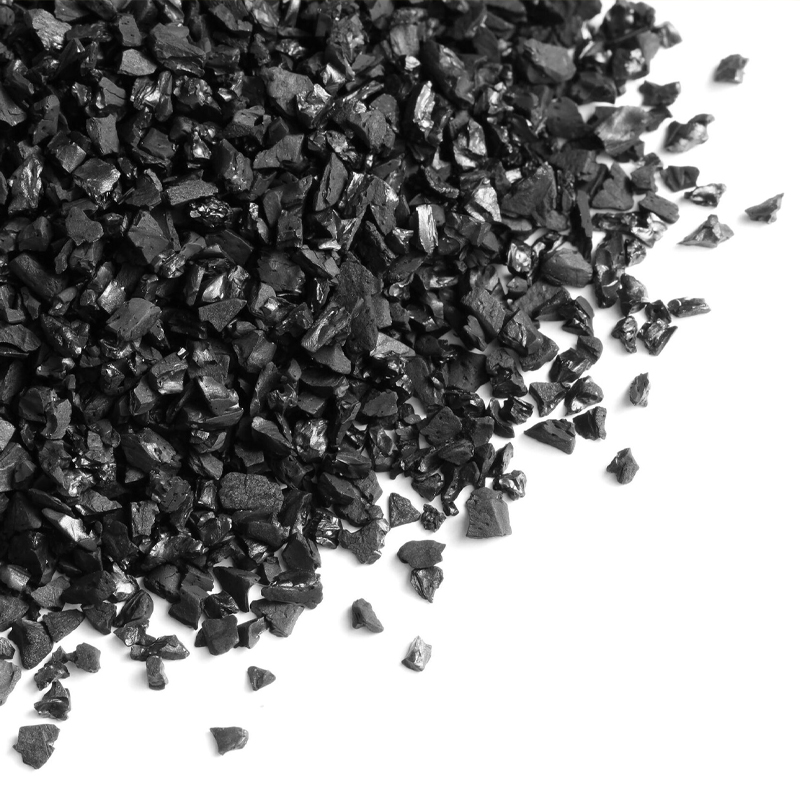
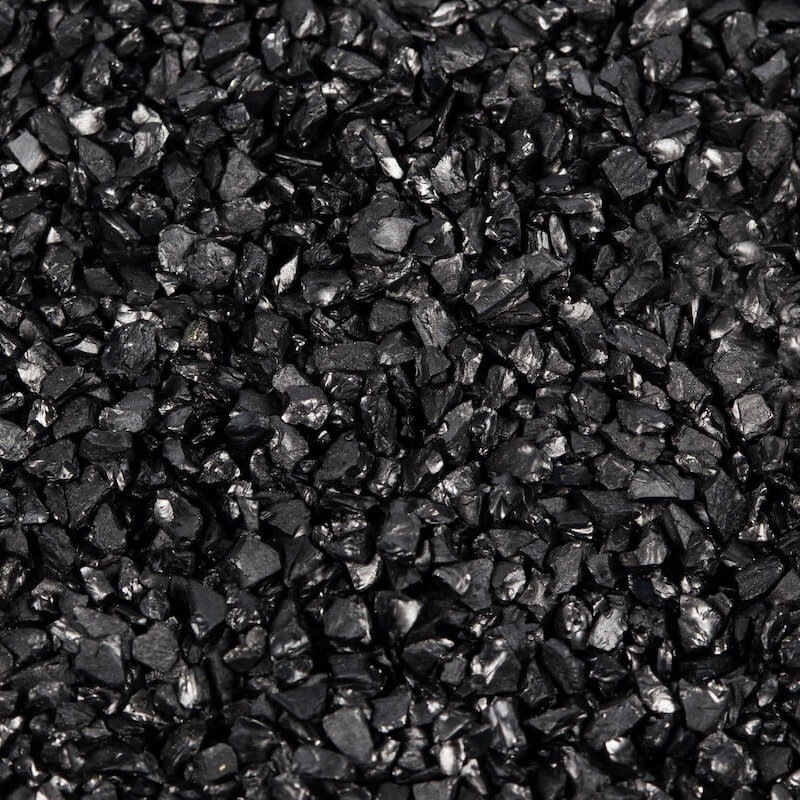
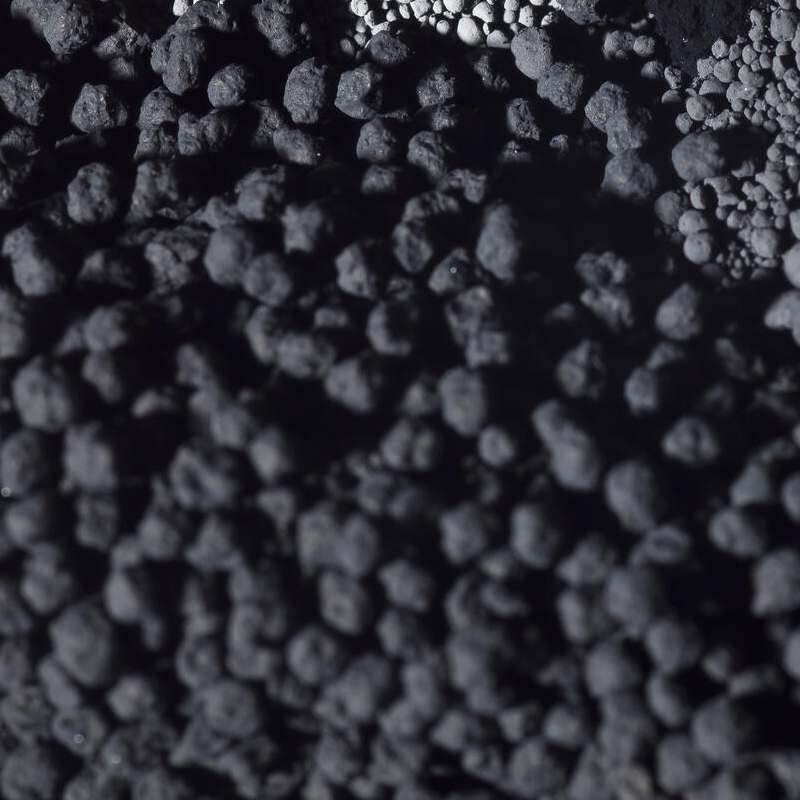
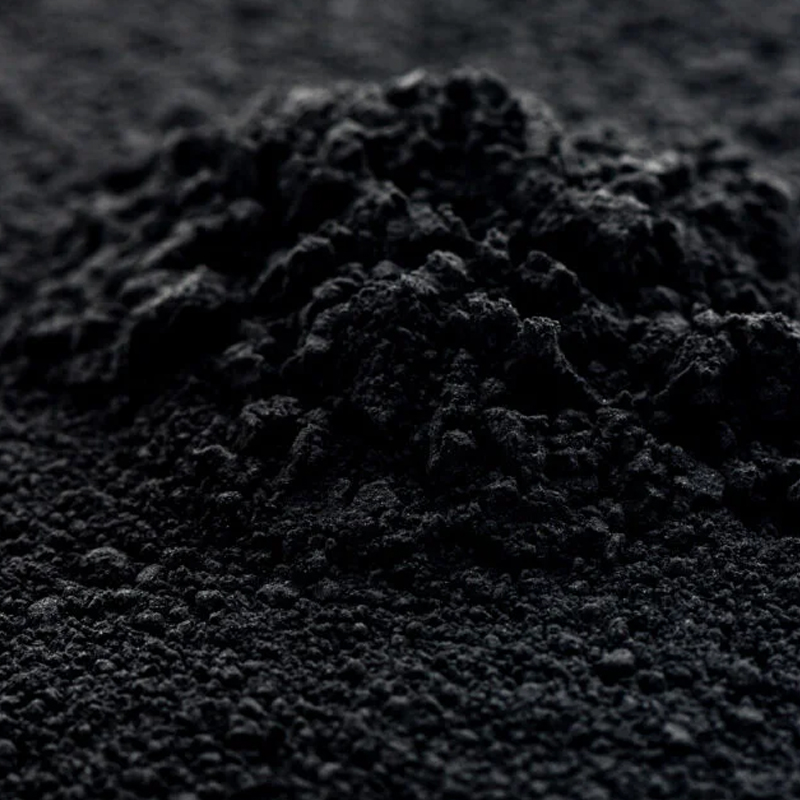
Carbon Black is a form of carbon produced as fine particles with an amorphous molecular structure. It is a versatile material widely used in various industries, particularly in rubber manufacturing. Carbon Black is predominantly produced using the furnace method, which allows for the creation of granulated forms. This method provides significant advantages over other production methods, enabling the production of Carbon Black with diverse applications.
Choosing a specific type of Carbon Black has a significant impact on the quality of rubber compounds produced and is a critical factor in achieving the desired properties in the final product.
Key Properties of Carbon Black
Tensile Strength
Modulus
Hardness
Elongation
Abrasion Resistance
Tear Resistance
Flex Resistance
The properties of different grades of Carbon Black, which determine the quality of the final product, are measured through various tests in accordance with ASTM standards.
Applications of Carbon Black
Carbon Black is extensively used in the rubber industry, with about 25 to 30 percent of the weight of rubber products comprised of carbon. Beyond rubber manufacturing, it is utilized in the production of automotive rubber parts, masterbatch, inks, and paints. It serves as a coloring agent in plastics and related products, providing protection against heat and UV radiation, as well as enhancing electrical properties and strength.
Industrial Applications
Rubber Industry:
Tire Manufacturing: Carbon Black is a critical component in tire production, providing reinforcement, abrasion resistance, and UV protection. Various grades of Carbon Black are used for different tire applications, from high-performance tires to heavy-duty truck tires.
Other Rubber Products: It enhances the strength, durability, and abrasion resistance of products like conveyor belts, hoses, gaskets, and seals.
Plastics Industry:
Used to improve the mechanical properties of thermoplastics and thermosets, enhancing stiffness, impact resistance, and dimensional stability.
It can also impart electrical conductivity to plastic components, making it suitable for electronic and automotive applications.
Coatings and Inks:
Carbon Black is used in coatings and inks for its deep black color, opacity, and UV stability, making it ideal for automotive coatings, architectural paints, printing inks, and toners.
Batteries:
It is used in the production of lead-acid batteries, where it acts as an additive to the negative electrode (cathode) to improve electrical conductivity and increase battery life.
Conductive Polymers:
Certain grades of Carbon Black are utilized in the production of conductive polymers, which are used in electronics, sensors, and electromagnetic shielding.
Miscellaneous Applications:
Carbon Black is also used as a pigment in printing and dyeing applications, as a filler in adhesives and sealants, as an additive in carbon brushes, and as a material in drilling fluids for oil and gas exploration.
Grades of Carbon Black
N550
Properties: Medium abrasion resistance, low post-molding shrinkage and swelling, relatively high elasticity.
Applications: Main tire body, primer adhesives, hoses, cable coatings, and other applications.
Characteristics: Medium surface and structure, fast extrudability, low heat generation, long fatigue life, stiffness, and tensile strength. Suitable for passenger tire bodies and many mechanical rubber goods, especially profiles.
N660
Properties: Medium reinforcing strength.
Applications: Used extensively in tires, generating minimal heat and applicable in all elastomers.
Characteristics: Lower heat generation than N550, good fatigue life, and excellent processing capabilities. Suitable for passenger tire bodies, including inner tires, and many molded rubber goods.
N330
Properties: Good abrasion resistance, high elasticity, tensile, and tear resistance.
Applications: Widely used in both synthetic and natural rubbers, tires, and mechanical goods.
Characteristics: Offers a balance of properties such as abrasion resistance, hysteresis, and viscosity. Suitable for a wide range of applications in tires and mechanical goods. With medium to high reinforcing properties, optimal processing and moldability, it is used in tire sidewalls, automotive rubber components, coated compounds, and tire belts.
N339
Properties: Exceptional abrasion resistance, high structure.
Applications: Passenger vehicle tires and mechanical goods.
Characteristics: Provides excellent wear and extrusion properties, characteristic of high-structure Carbon Black with improved processing. Suitable for passenger tire treads and mechanical goods.
N375
Properties: Similar to grade 339 in terms of characteristics.
Applications: Used in tire manufacturing for the construction of tire layers.
Characteristics: Offers a balance between tread and hysteresis, primarily used in passenger tire treads, truck and cross-country tires, and as a choice for conveyor belt covering compounds.
N220
Properties: High abrasion resistance, high tensile strength, and good tear resistance with moderate electrical conductivity.
Applications: Truck tires, passenger buses, and mechanical devices.
N234
Properties: Extremely high abrasion resistance, high structure.
Applications: Used in elastomers and SBR/SR compounds.
N326
Properties: Low structure, high reinforcing and tensile strength, highly resistant to tearing and disintegration in rubber composition.
Applications: Used in mechanical devices, main tire body, belts, and road vehicle tires.
P-Type Carbon Black
Polymers, especially polyolefins like polyethylene, degrade when exposed to UV radiation from the sun in the presence of oxygen. The polymer chains undergo a radical reaction, leading to degradation and structural changes. For products that may be exposed to sunlight during storage or use (such as pipes), it is essential to incorporate UV protection materials through a proper mixing process with anti-UV materials. P-Type Carbon Black, due to its unique properties, can significantly contribute to the rubber industry by providing effective protection for polymers.
P-Type Carbon Black in the Rubber Industry
Properties: Due to its unique chemical structure, Carbon Black particles tend to cluster and adhere, necessitating a mixing process that ensures proper dispersion within polyethylene.
Applications: P-Type Carbon Black effectively addresses technical and quality issues in automotive rubber components. It plays a crucial role in producing sensitive extruded rubber parts and profiles and serves as a vital supplier to rubber and plastic factories.
Market Outlook for Carbon Black
The Carbon Black market, a critical raw material for the tire industry, is projected to reach USD 13.85 billion by the end of this year and USD 22.14 billion by the end of the next decade. The material enhances the physical properties of tires, providing greater strength.
Global Market Insights
According to a report by Digital Journal, Carbon Black is also used in pharmaceutical manufacturing, with the medical equipment industry being a significant consumer.
Increased demand for pharmaceuticals and medical equipment worldwide is driving up the demand for this raw material. However, the growth of the global rubber industry is expected to fuel a more robust increase in Carbon Black demand.
Carbon Black producers are experiencing growth due to the expansion of the paints and coatings sector. Considering these factors, the global Carbon Black market is expected to grow by approximately 23 million tons by 2033.
The UK Carbon Black market is projected to expand at a compound annual growth rate of 7.9% by 2033.
The United States, as a leading automotive market, contributes significantly to the demand for Carbon Black.
The Carbon Black market, valued at USD 13.22 billion in 2022, is expanding rapidly.
In 2021, China’s Carbon Black capacity was 7 million tons and has now surpassed 7.35 million tons.
With increasing demand across various industries, the market for Carbon Black is expected to reach approximately USD 16 billion by 2026.
The furnace black sector dominates the market and is expected to control it by application by 2033.
The standard-grade sector is likely to dominate the market by 2033.
By application, the demand in the tire sector is predicted to dominate the Carbon Black market by 2033.